• News
  • Life
  • TV & Film
  • Beauty
  • Style
  • Home
  • News
    • Celebrity
    • Entertainment
    • Politics
    • Royal Family
  • Life
    • Animals
    • Food & Drink
    • Women's Health
    • Mental Health
    • Sex & Relationships
    • Travel
    • Real Life
  • TV & Film
    • True Crime
    • Documentaries
    • Netflix
    • BBC
    • ITV
    • Tyla Recommends
  • Beauty
    • Hair
    • Make-up
    • Skincare
  • Style
    • Home
    • Fashion
    • Shopping
  • Advertise
  • Terms
  • Privacy & Cookies
  • LADbible Group
  • LADbible
  • UNILAD
  • SPORTbible
  • GAMINGbible
  • UNILAD Tech
  • FOODbible
  • License Our Content
  • About Us & Contact
  • Jobs
  • Latest
  • Topics A-Z
  • Authors
Facebook
Instagram
X
Threads
TikTok
Submit Your Content
Grim reality of what actually happens when you eat an oyster might make you think twice about trying it

Home> Life> Food & Drink

Published 17:09 25 Jul 2024 GMT+1

Grim reality of what actually happens when you eat an oyster might make you think twice about trying it

This fun little fact may turn you off from trying out the popular seafood delicacy

Rhiannon Ingle

Rhiannon Ingle

There is a whole bunch of food out there that people either absolutely love or hate beyond words.

From Marmite and blue cheese to pineapple on pizza and, of course, coriander - it's clear we all have very different palates when it comes to what we put in our gob.

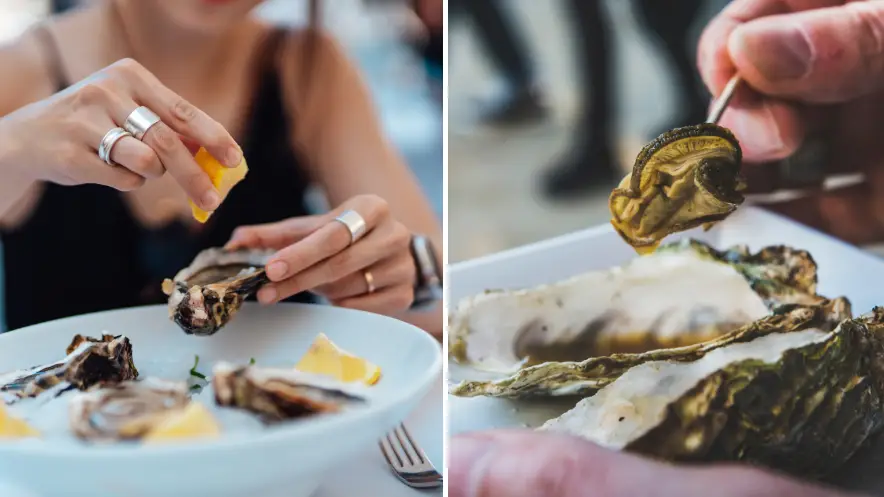
It also seems that seafood is one of the most debated food categories and now a chef has fuelled the discourse even further after revealing the grim reality of what actually happens when you eat an oyster which might make you think twice about trying it.
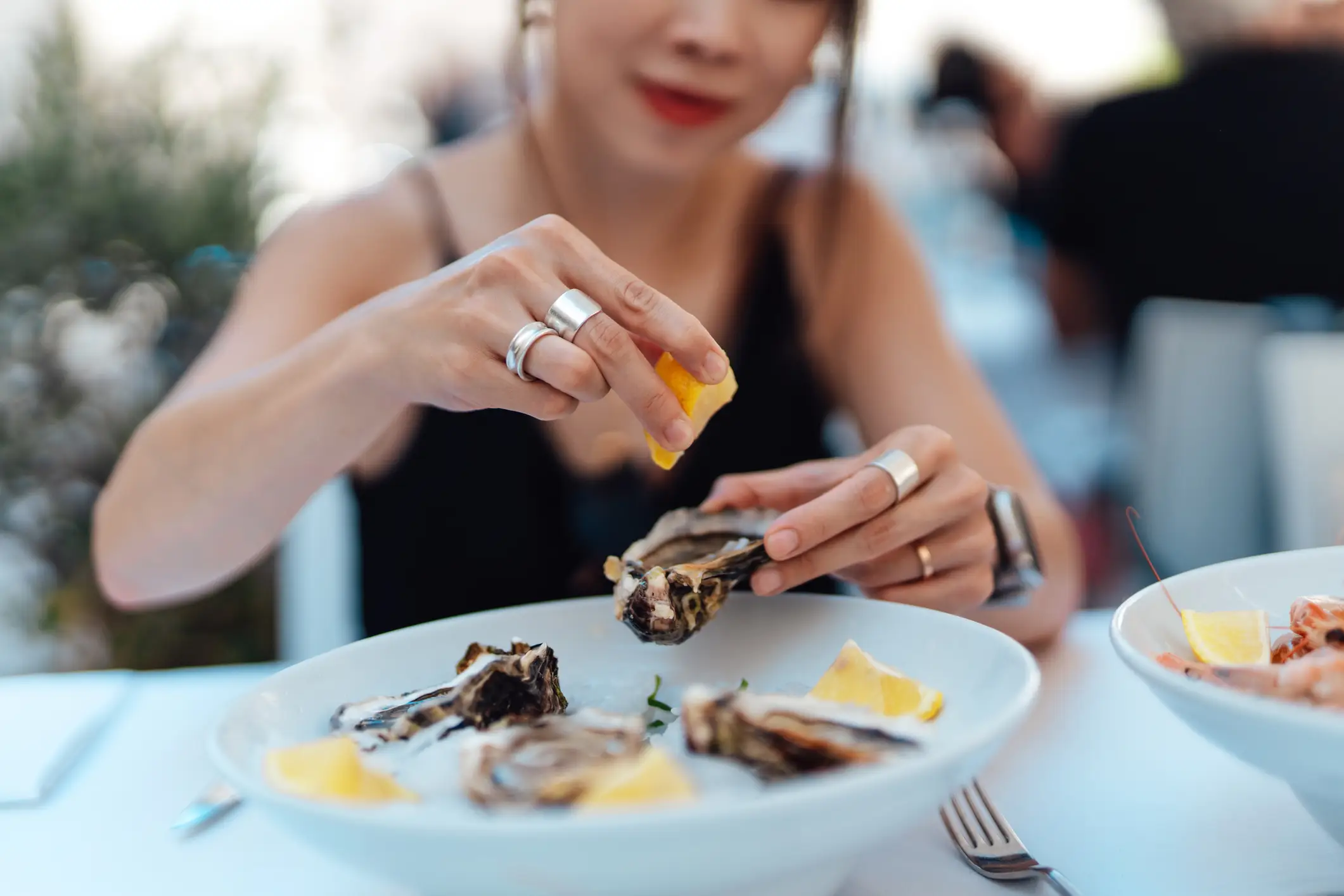
Anyone partial to an oyster or two, you've been warned. (Oscar Wong / Getty Images)

Advert

Now, judge me if you want, but I absolutely love the salty, slimy stuff but even I (a self-proclaimed oyster fanatic) was turned off by the delicacy after finding this far from fun fact out about them.

It all started when chef Joseph DeCandia Jr, the owner of Lenny’s Clam Bar and Restaurant, took to TikTok to enlighten the internet about the truth behind the shellfish - they're actually alive when you eat them.

"Is it true that when you eat oysters they are alive?" he was asked before responding: "Of course! When you open them up fresh, they are alive."

As if it couldn't get any worse, Joseph added: "Most times, if you squeeze lemon on those now, you'll see the motherf**ker jiggle and move."

What a lovely mental image!
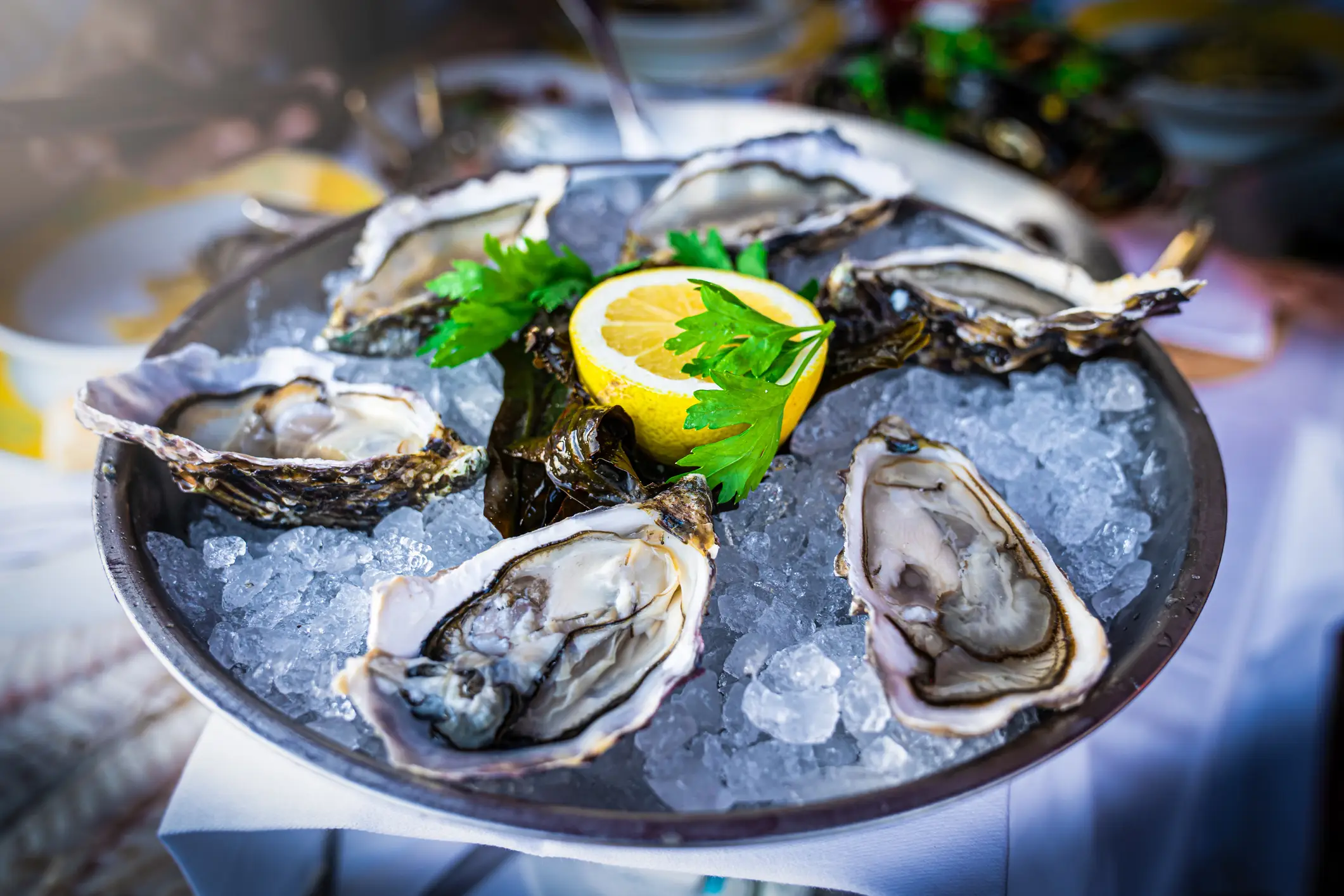
Not many people knew that oysters are alive when you eat them. (wilatlak villette / Getty Images)

Unsurprisingly, viewers who were unaware of the fact were sent into a total spiral upon hearing the news, with one TikTok user writing: "I did not need to know or see this."

"I was today years old, and I promise you, I wish I never learned this," echoed a second, while a third admitted: "I've been chugging down oysters my whole life. I didn't know they were still alive."

And a final TikTok user confessed: "I never ate oysters before & now that I know they're still alive I'll never try them."

According to mobile oyster shucking service, Oysters XO, the shellfish has to be alive in order for it be safe and not give us food poisoning.

Its website states: "Oysters are still alive as you eat them! In fact, if you are going to eat an oyster raw, it has to be alive or else it will no longer be safe to eat.

"In the case of oysters, alive means fresh! Trust us, you only want to be eating oysters that are alive."

Oysters XO adds: "Oysters taste the best when they are eaten immediately after being shucked, this we know.

"Fresh and full of flavour is what we all want! In the case of oysters, fresh translates to mean still alive.

"An oyster that has been sitting around open will not have that amazing taste you are looking for as the oyster begins to deteriorate once it has been shucked."

The more you know - eh?

Featured Image Credit: Oscar Wong/Getty Images/Westend61/Getty Images

Topics: Food and Drink, Life, Advice, Health

Rhiannon Ingle
Rhiannon Ingle

Rhiannon Ingle is a Senior Journalist at Tyla, specialising in TV, film, travel, and culture. A graduate of the University of Manchester with a degree in English Literature, she honed her editorial skills as the Lifestyle Editor of The Mancunian, the UK’s largest student newspaper. With a keen eye for storytelling, Rhiannon brings fresh perspectives to her writing, blending critical insight with an engaging style. Her work captures the intersection of entertainment and real-world experiences.

Advert

Advert

Advert

Choose your content:

3 hours ago
4 hours ago
7 hours ago
23 hours ago
  • Getty Stock Images
    3 hours ago

    Man who was hospitalised after getting WWl bomb stuck up his bum could face legal charges

    Rangueil Hospital staff in Toulouse, France found a the historic weapon wedged inside a patient's rectum

    Life
  • Instagram/@skiteamswedenmoguls
    4 hours ago

    What we know about Elis Lundholm - the only trans athlete competing at the Winter Olympics starting this week

    The 23-year-old is set to make his Olympic debut in the women’s freestyle skiing tournament

    Life
  • Getty Stock Image
    7 hours ago

    Seven foods you should swap to reduce risk of cancer

    A health expert has shared a list of foods you can limit to reduce your cancer risk, including what to replace them with

    Life
  • Getty Stock Images
    23 hours ago

    24-year-old man hospitalised after getting WWl bomb stuck up his bum

    A bomb squad was called to the hospital in Toulouse, France, after medical staff made the shocking discovery

    Life
  • Warning issued over 'dangerous' vitamin combination you should never take
  • If your period is ‘pouring out like water’ you might need to see a doctor
  • Unexpected health warning you might want to pay attention to if your lips are always cracked or dry
  • ‘Period flu’ is more common than you think - here’s how to spot it