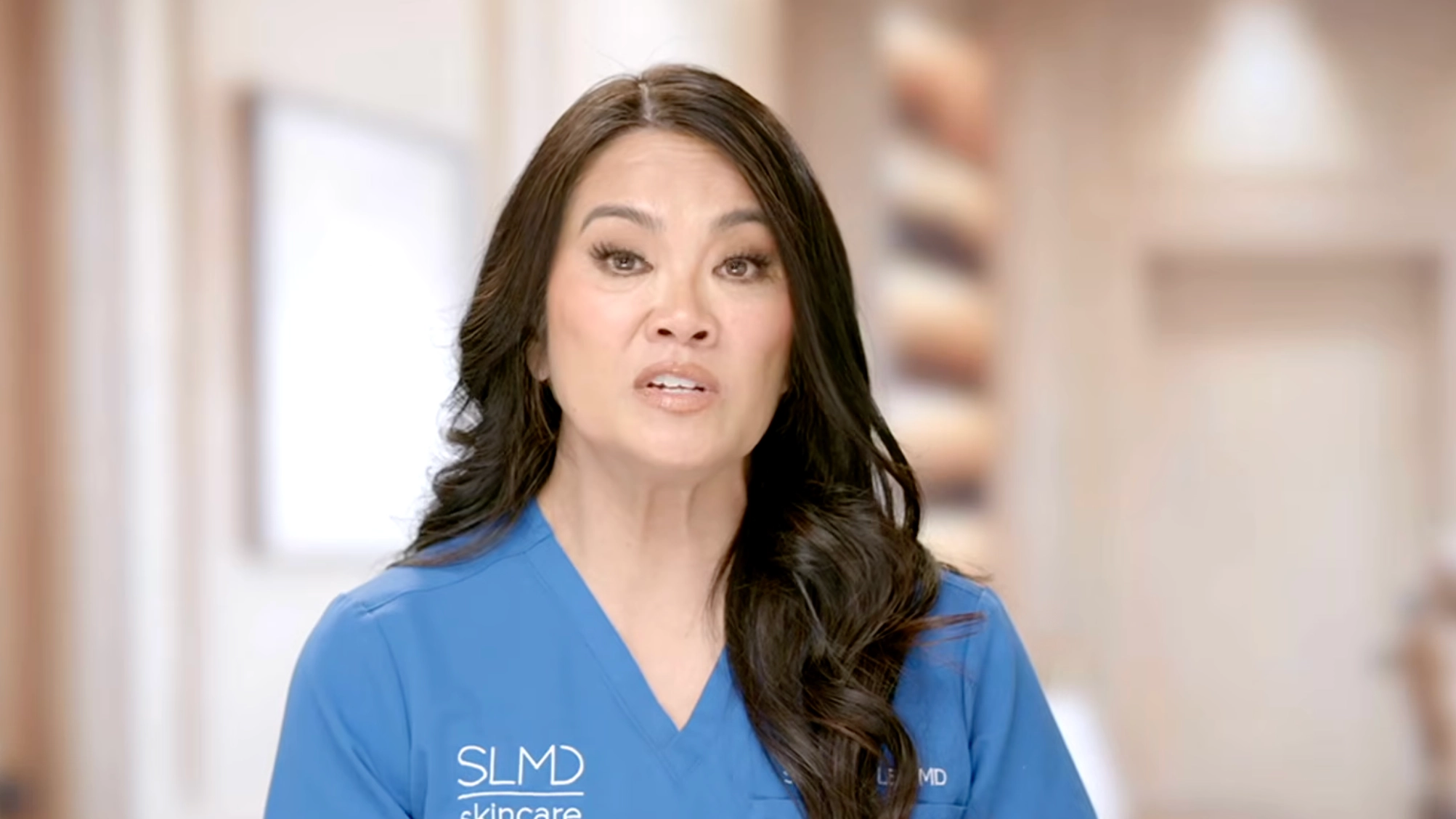
Dr. Pimple Popper Sandra Lee shares 'weird' stroke symptom she overlooked in heartbreaking health update

Sandra Lee has admitted to unknowingly overlooking a key stroke indicator just hours before being rushed to hospital.
The TV dermatologist, better known as 'Dr. Pimple Popper', revealed to PEOPLE this week she was forced to stop filming the most recent instalment of her titular series for two months after experiencing a life-altering blow to her physical health.
Lee soared to fame in 2015 after sharing gut-churning clips of her medical spot-popping on social media. Three years later, she bagged her own titular TLC series, which is still going after eight impressive instalments.
While in the midst of recording her most recent season back in November, however, the medic suffered a sudden ischemic stroke.
Advert
It wasn't until several hours after being rushed to hospital, however, that she learned she'd accidentally dismissed several stroke indicators the day prior.
What happened to Dr Lee?
"It happened while I was filming the show," she told the publication. "I had what I thought was a hot flash. I got super sweaty and didn’t feel like myself."
Lee admits to dismissing the wave of heat she'd experienced as a side effect to feeling overworked, or possibly anxious.
After filming wrapped, she journeyed home to her parents' house, where her symptoms got worse.
"I just felt very restless. In one leg, I kept feeling shooting pains," she recalled.
The doctor also experienced 'a tough time walking down the stairs' after getting up during the night.
By the following morning, Lee was certain something was wrong.
"I would hold my hand out, and it would just slowly collapse," she continued. "I noticed that I had a tough time articulating and just enunciating.
"I thought, ‘Am I having a stroke?'."
Following her father's advice, Lee rushed herself to hospital where she quickly underwent an MRI scan.
There, she discovered she'd suffered an ischemic stroke.
What is a ischemic stroke?
This variant, which accounts for 87 per cent of all strokes, occurs when a vessel responsible for supplying blood and oxygen to the brain is obstructed.
In the vast majority of cases, the cause of his blockage is a fatty build up known as atherosclerosis which narrows a persons arteries.
Blood clots developing within the brain or travelling from the heart (a sensation referred to as thrombosis in the former instance, and an embolism in the latter), are also known contributors.
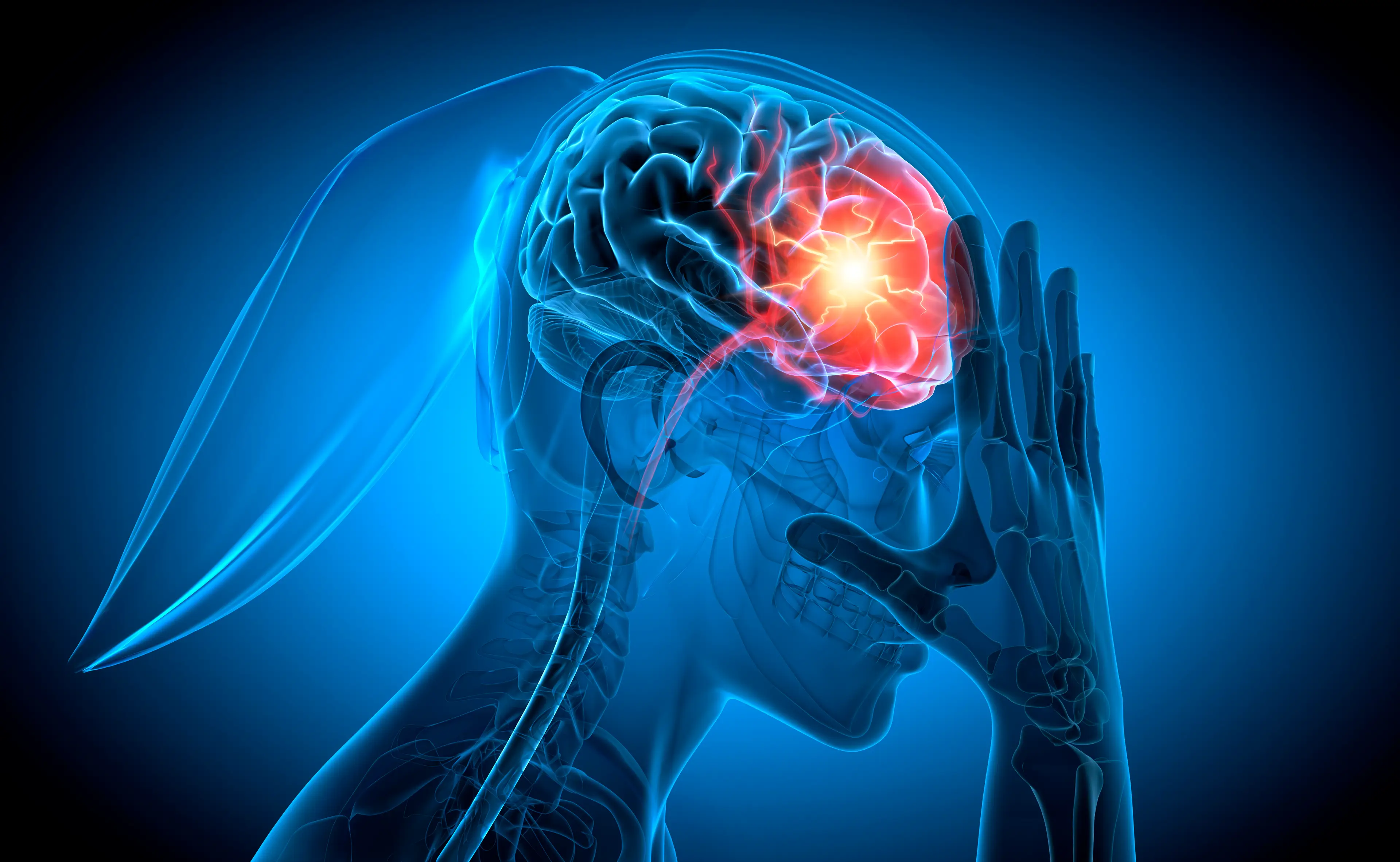
Lee had no idea that the hot flashes she'd overlooked earlier in the day were a symptom of this type of stroke.
Other common indicators of a ischemic stroke include:
- Weakness or paralysis on one side of your face and body
- Trouble speaking, or 'aphasia'
- Slurred speaking, or 'dysarthria'
- Loss of muscle control on one side of your face
- Sudden worsening or loss of your senses
- Blurry vision
- Loss of coordination or clumsiness
- Dizziness or vertigo
- Nausea and vomiting
Other, often-overlooked stroke signs also include:
- Neck stiffness
- Mood swings or sudden personality changes
- Confusion or agitation
- Seizures
- Memory loss
- Headaches
- Passing out or fainting
- Coma
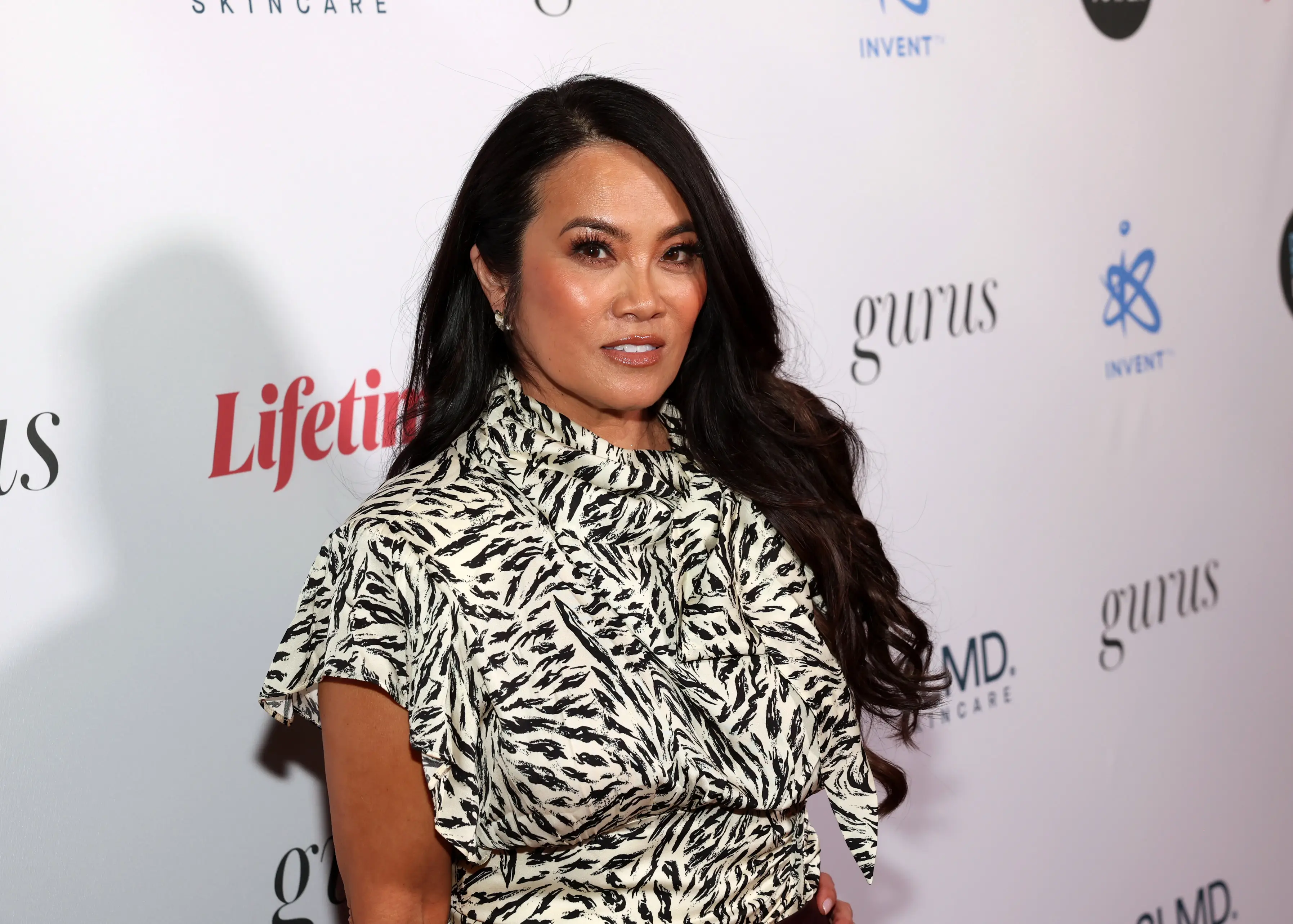
"It was just a shock," Lee reflected. "As a physician, I couldn’t deny that I had slurred speech, that I was having weakness on one side, but I was like, 'Well, this is a dream, right?' What essentially happened is I had a part of my brain that died."
While filming was temporarily halted, the medic underwent physical and occupational therapy to aid her recovery.
Despite also being prescribed blood thinning medication, Lee told viewers of the TODAY show this week she still doesn't feel bad to her old self.
"I still have, sometimes when I get stressed, a little bit of a speech difficulty," she confessed. "In Asian cultures in particular, they don’t tell people they’ve had a stroke because it can be seen as a sign of weakness.
"I want to get the word out that if you have symptoms like I had, make sure you see your doctor. Take care of yourself."
Topics: Celebrity, Health, Entertainment, US News
 Rhianna Benson