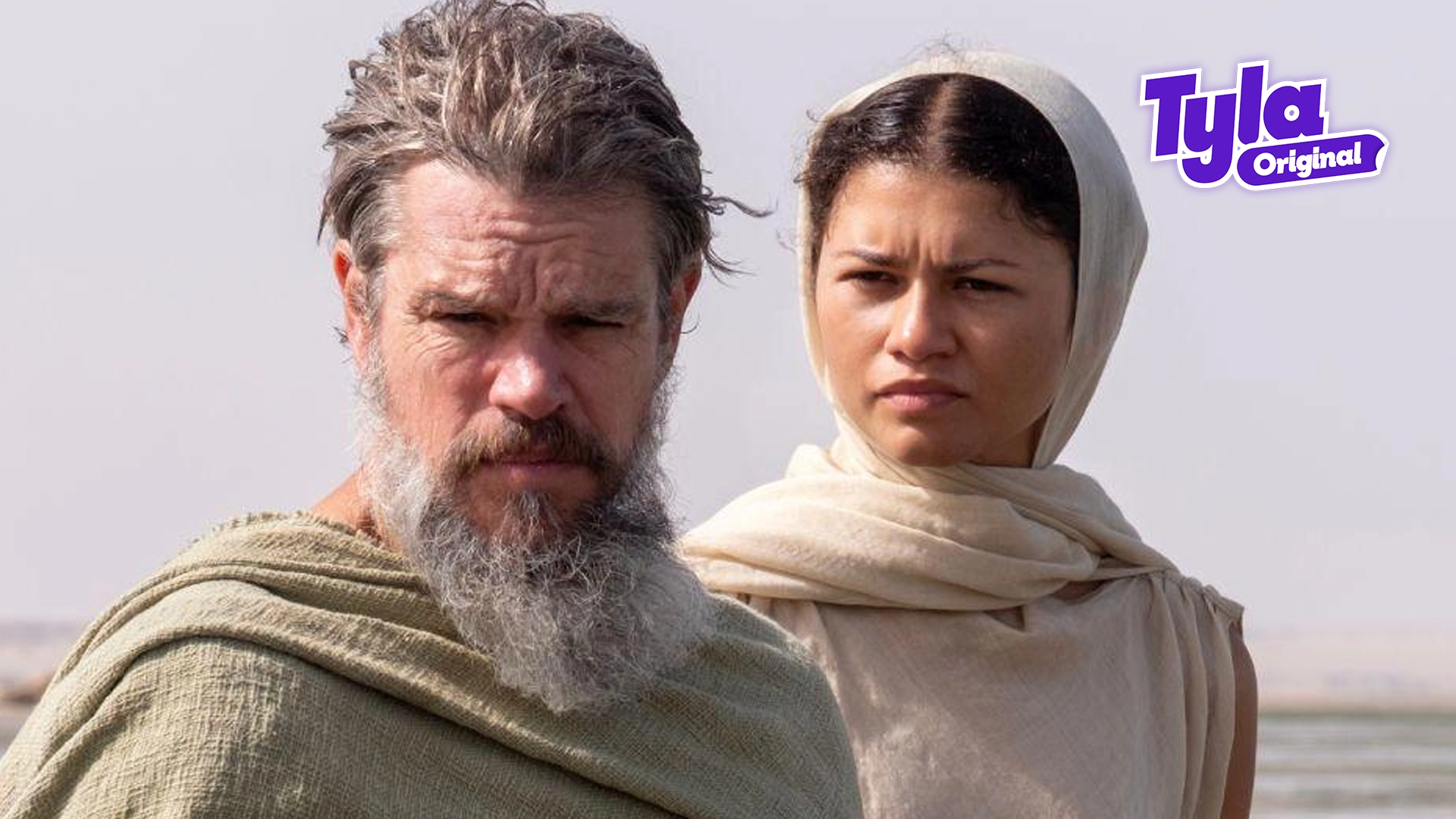
Historian weighs in on Christopher Nolan's controversial The Odyssey casting debate

When acclaimed director Christopher Nolan announced he'd be bringing to life a colossal, IMAX-shot adaptation of Homer's epic poem The Odyssey, it was always going to create a storm.
After all, this isn't just any story. It's a legendary tale that dates back over 3,000 years, perfectly combining monsters, myth and magic with war, politics, oppression, religion, as well as one man's desperate journey home.
As a former Classics student myself, I spent hours transfixed by Homer's work while at university, getting lost in his intricate, fantastical world, where goddesses hold human fate in their hands, monsters lurk beyond the horizon and beneath the waves, and the definition of 'hero' proved far more complex than a man in a latex suit and cape.
Advert
So, when I caught wind that the cinematic genius behind the likes of Oppenheimer, The Dark Knight, Inception and Dunkirk would be adapting the classical poem for the silver screen, I was ecstatic.
I couldn't wait to see how Nolan would turn the thousands of mesmerising, fabled figures that make up Homer's poem into flesh for the first time.
And what a cast it was. Matt Damon leads the voyage as the cunning Odysseus, alongside Anne Hathaway as his wife, Penelope, Tom Holland as his son, Telemachus, Zendaya as the goddess, Athena, Charlize Theron as the enchantress, Calypso, Robert Pattinson as the sly suitor, Antinous, and Benny Safdie as Agamemnon.
Sadly, however, when news broke that Lupita Nyong’o would play 'the face that launched a thousand ships', Helen of Troy, and transgender actor Elliot Page would portray the Greek soldier Sinon, accusations of 'wokeness' reared their ugly heads.
The backlash before the blockbuster
The hype surrounding the big-name blockbuster was tainted before audiences had even had a chance to see it.
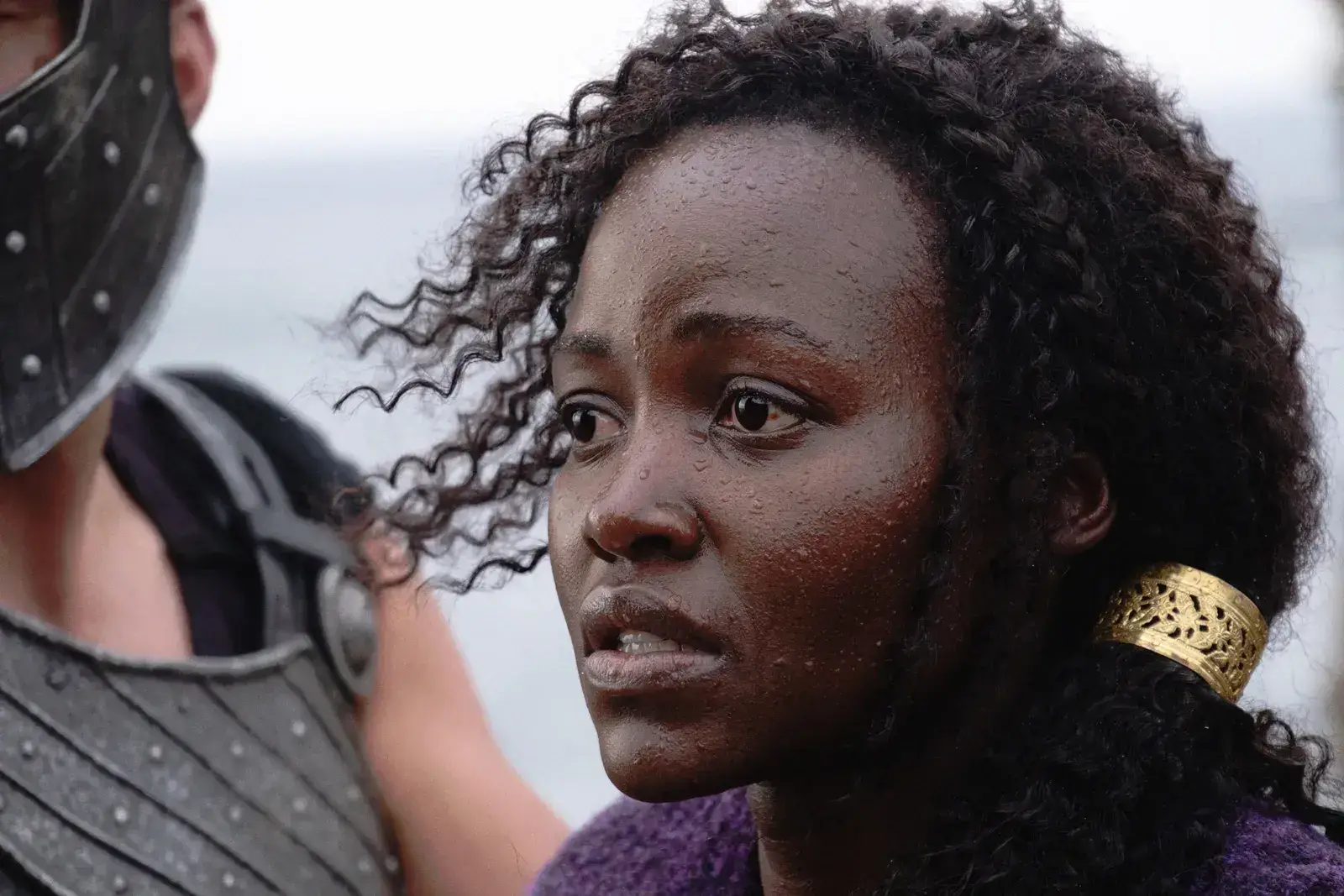
Rather than debating the choices Nolan was making as an adaptation - how he interpreted themes of heroism, power and gender - the conversation became consumed by whether certain actors should be 'allowed' to inhabit these mythical characters.
Critics were so preoccupied with questions over whether Nolan's casting was 'historically accurate' that they failed to recognise one crucial detail - The Odyssey isn't history at all. It's myth.
Thankfully, I was able to vent my frustrations to Dr Emily Hauser, a classicist, historian and University of Cambridge, Harvard and Yale alum whose research in ancient women, gender studies, and, particularly, Homer, has made her one of the world's most highly-regarded antiquity experts.
I put to her that much of the casting criticism the film received early doors was abuse disguised as prejudice, and that complaints surrounding diversity within The Odyssey miss the point of what Greek mythology actually is.
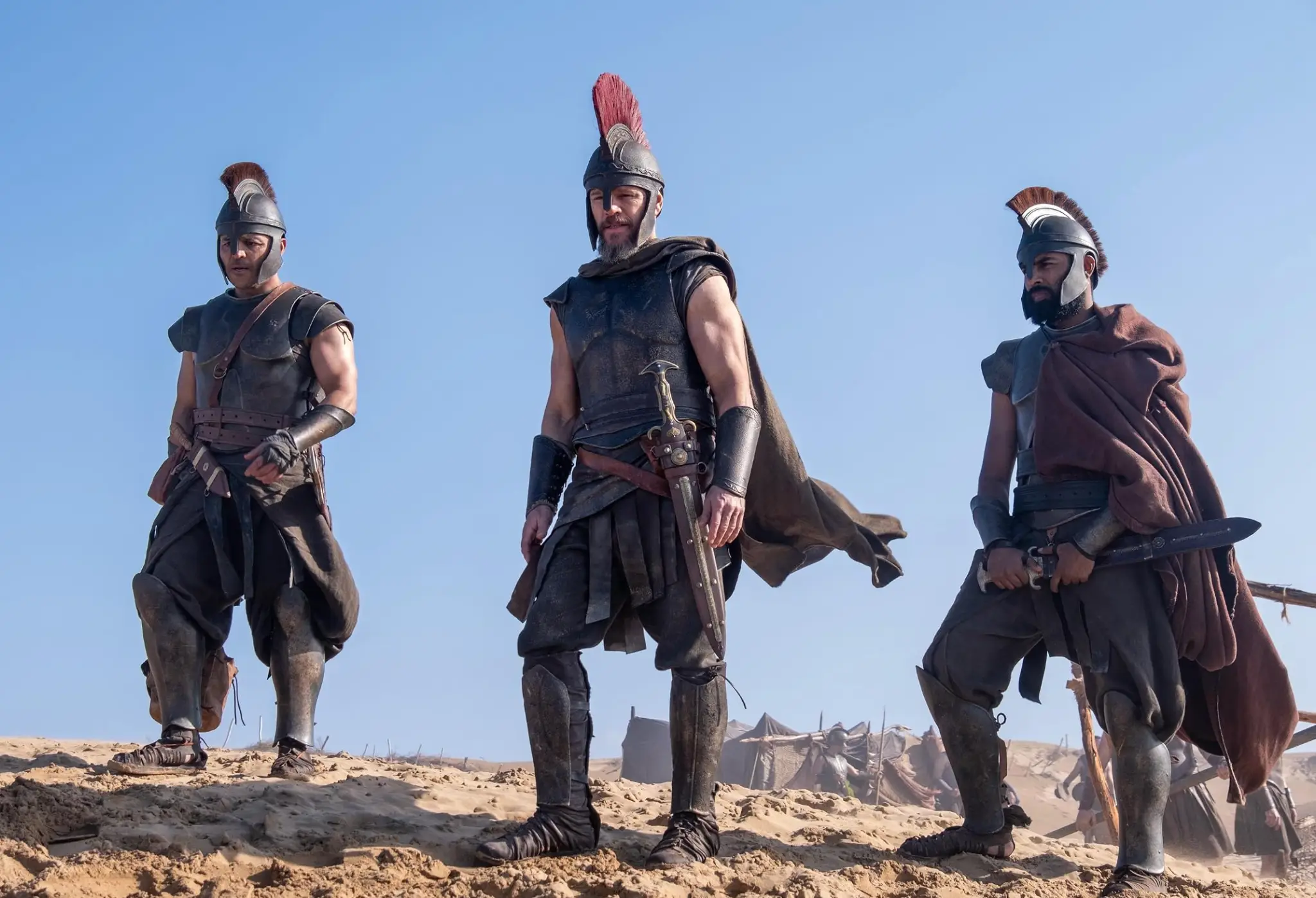
"Greek myth is not the same as reworking a story about, say, Alexander the Great, or Sappho," Dr Hauser told Tyla. "Those are historical figures. Myth is fantastical and legendary."
And that, she argues, is exactly why these stories have survived for this long.
'Myth is fantastical and legendary'
For those unfamiliar with the premise of the poem, Homer's Odyssey is, at its heart, the ultimate adventure story.
Originally written in Ancient Greek, the epic follows Odysseus, the king of Ithaca, as he attempts to return home to his wife, Penelope, and son, Telemachus, after the Trojan War, where he fought for the Greeks under Agamemnon.
For cinephiles, this character was made famous on the big screen by Northern treasure Sean Bean in the 2004 cringe-worthy classic, Troy.
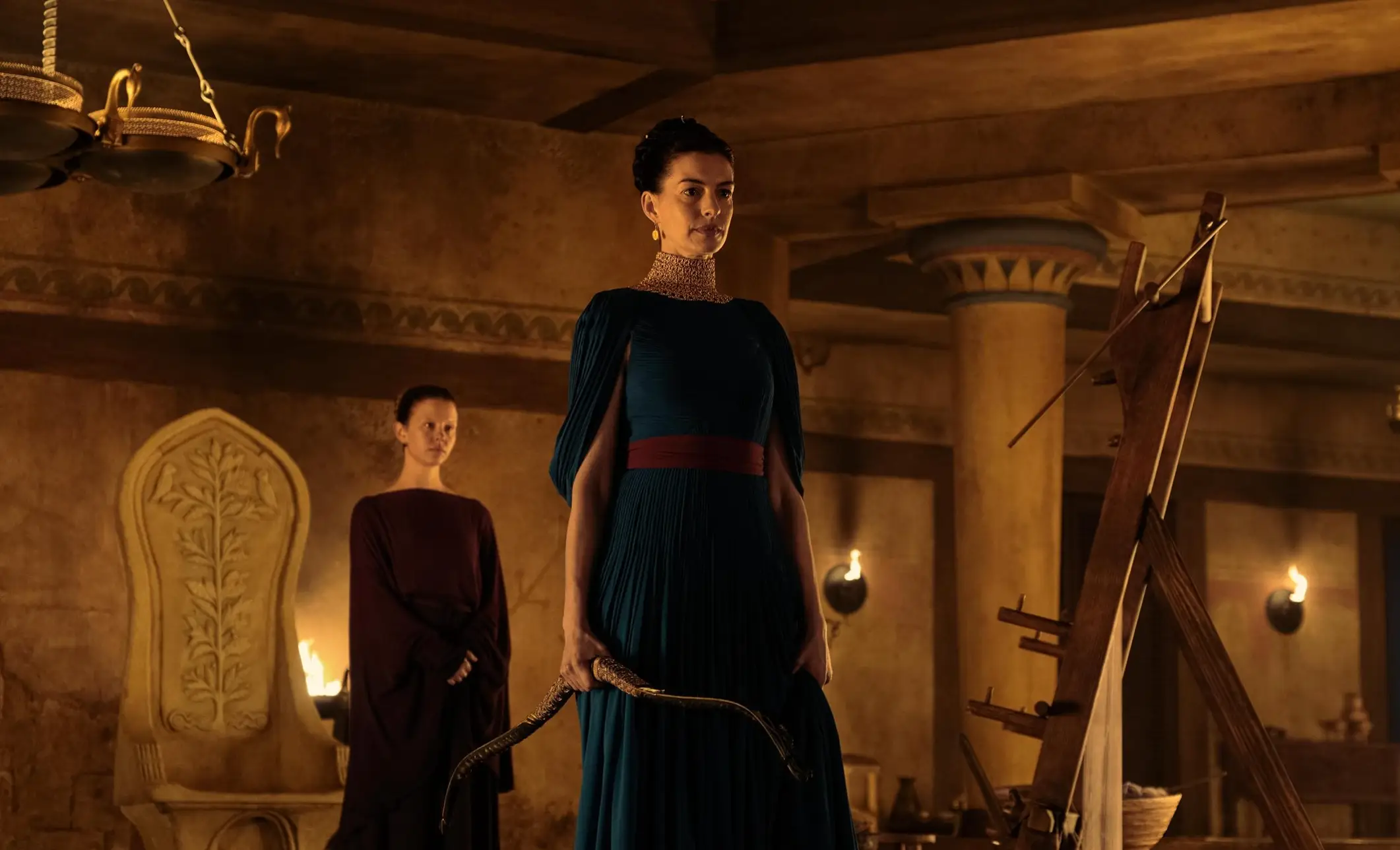
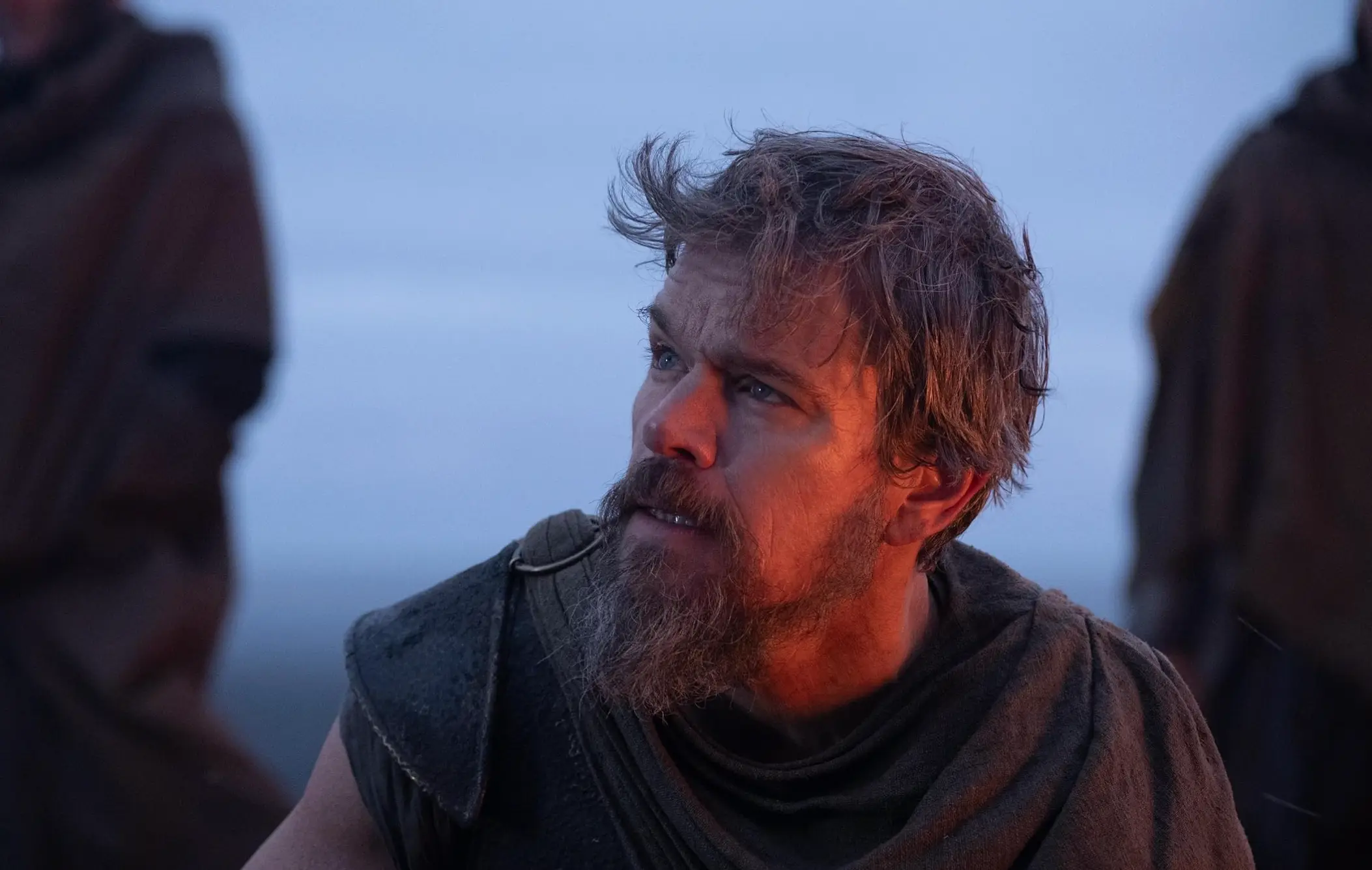
Now, American actor Matt Damon is stepping into the shoes of the master strategist, a character famed throughout the ancient world for his cunning stratagems and problem-solving savviness.
But Odysseus' journey home isn't exactly straightforward. The path is filled with danger and darkness, featuring run-ins with the one-eyed Cyclops, Polyphemus, the enchantress Circe, who transforms men into animals, the haunting hymns of the Sirens, the deadly whirlpool of Charybdis, and the goddess Calypso, who keeps him and his men trapped on her island for years.
As I've said, it's a world where the boundary between reality and fantasy constantly collapses, and the lives of Gods and humans intertwine.
One poem. Endless interpretations.
Helen of Troy, whose 'abduction' by Prince Paris of Troy is the catalyst of the entire Trojan War, belongs to that same mythical universe.
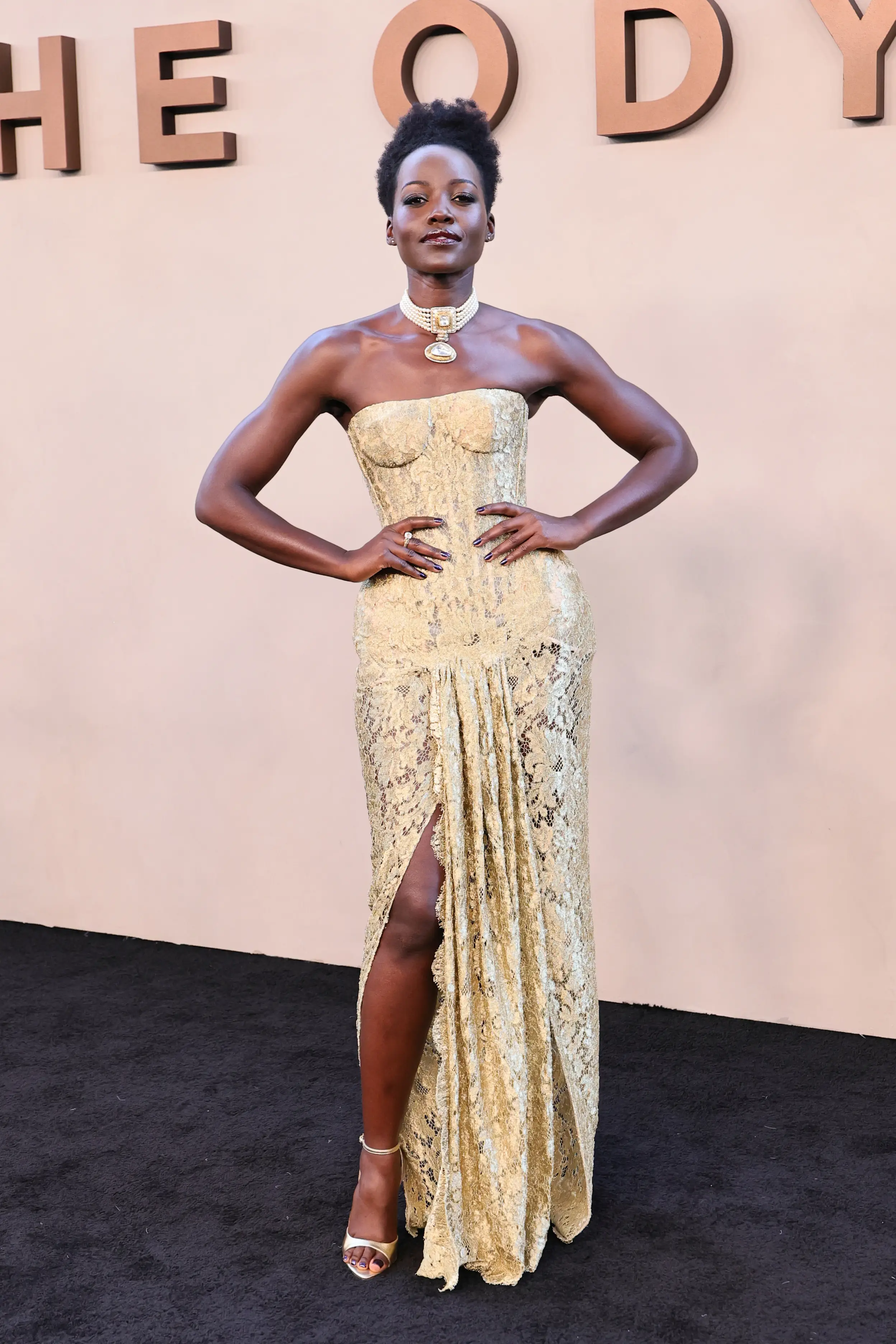
She is not a historical queen whose exact appearance has been preserved through time, like Cleopatra; she is a legendary figure born from centuries of storytelling and debate.
It is this room for reinterpretation that makes Nyong'o the perfect person to take on this role.
I, for one, don't remember the same fuss being kicked up when white actress Diane Kruger was cast as Helen in Troy.
"Every single time Homer is reinterpreted, that reinterpretation speaks to its time and its audience," Dr Hauser added. "It’s easy to forget an obvious thing that points this out - they’re all speaking English. This is an Odyssey for its time, for its audience.
"This is fiction, but it’s what we do with the fiction, the artful choices that we make, the juxtapositions, that’s what it should be about."
'You can't perform beauty'
That is why, for her, diverse casting does not undermine Greek myth. It can actually highlight what makes those stories so powerful.
"The Odyssey is about stepping from fantasy into the real world, and that’s why it’s so easy to love," she continued. "You have these wild and wonderful, strange stories. You’ve got these real people who are stretching into an other world and back again.
"At that point, in fact, having more diverse characters seems to gesture even more towards the diversity of Greek myth."
Nyong'o, 34, has herself pushed back against critics who argued she could not portray the woman described in mythology as the most beautiful woman in the world, by pointing out that beauty was not the only thing that defined Helen.
"I’m very supportive of Chris's intention with it and with the version of this story that he is telling," the Oscar-winning star previously emphasised. "Our cast is representative of the world."
She added: "You can't perform beauty. I want to know who a character is. What is beyond beauty? What is beyond looks?"
Dr Hauser similarly argued that directors like Nolan who seek to take on such ancient assignments should have 'endless freedom' when it comes to the decision on casting.
'Utter bigotry'
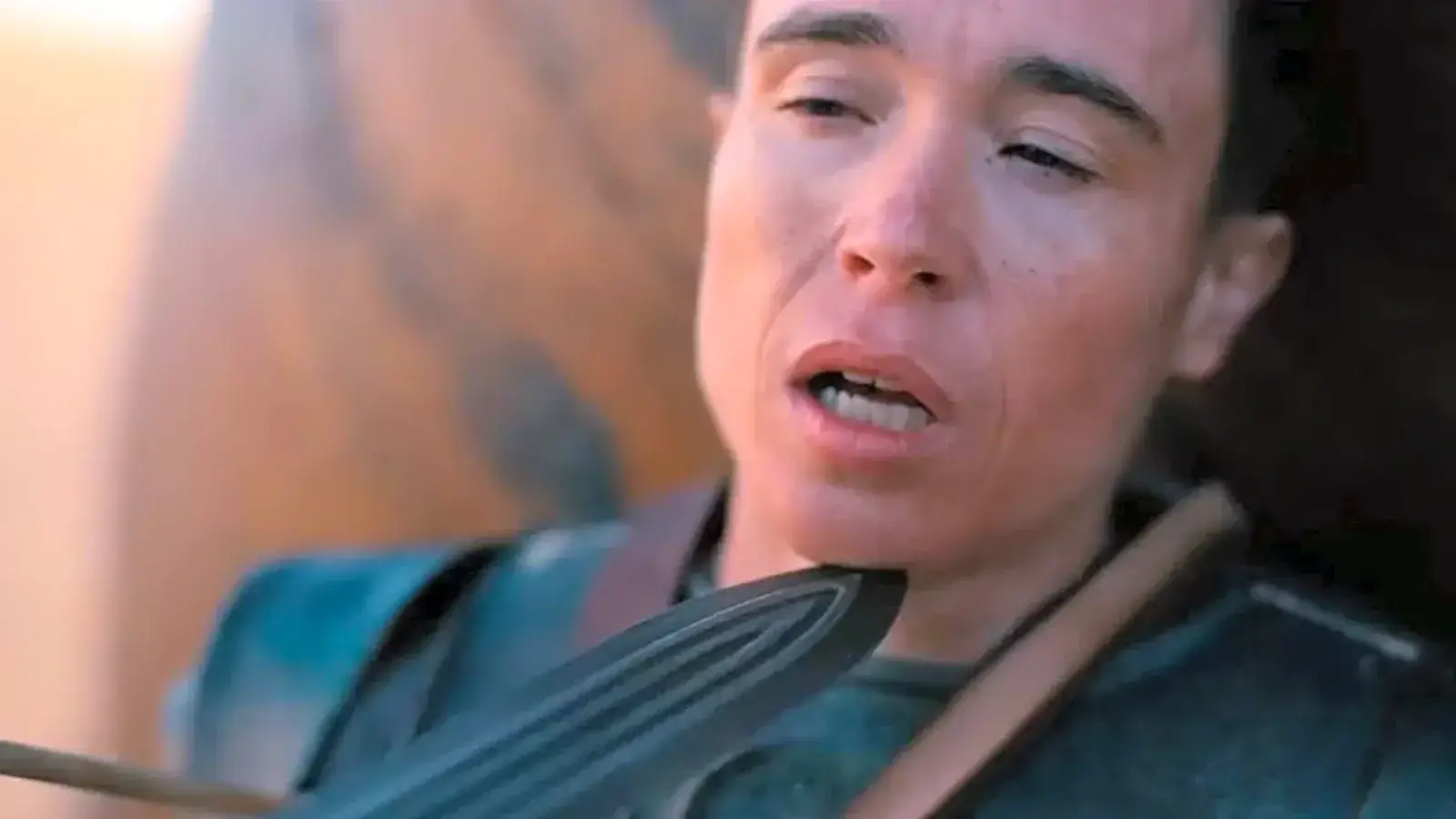
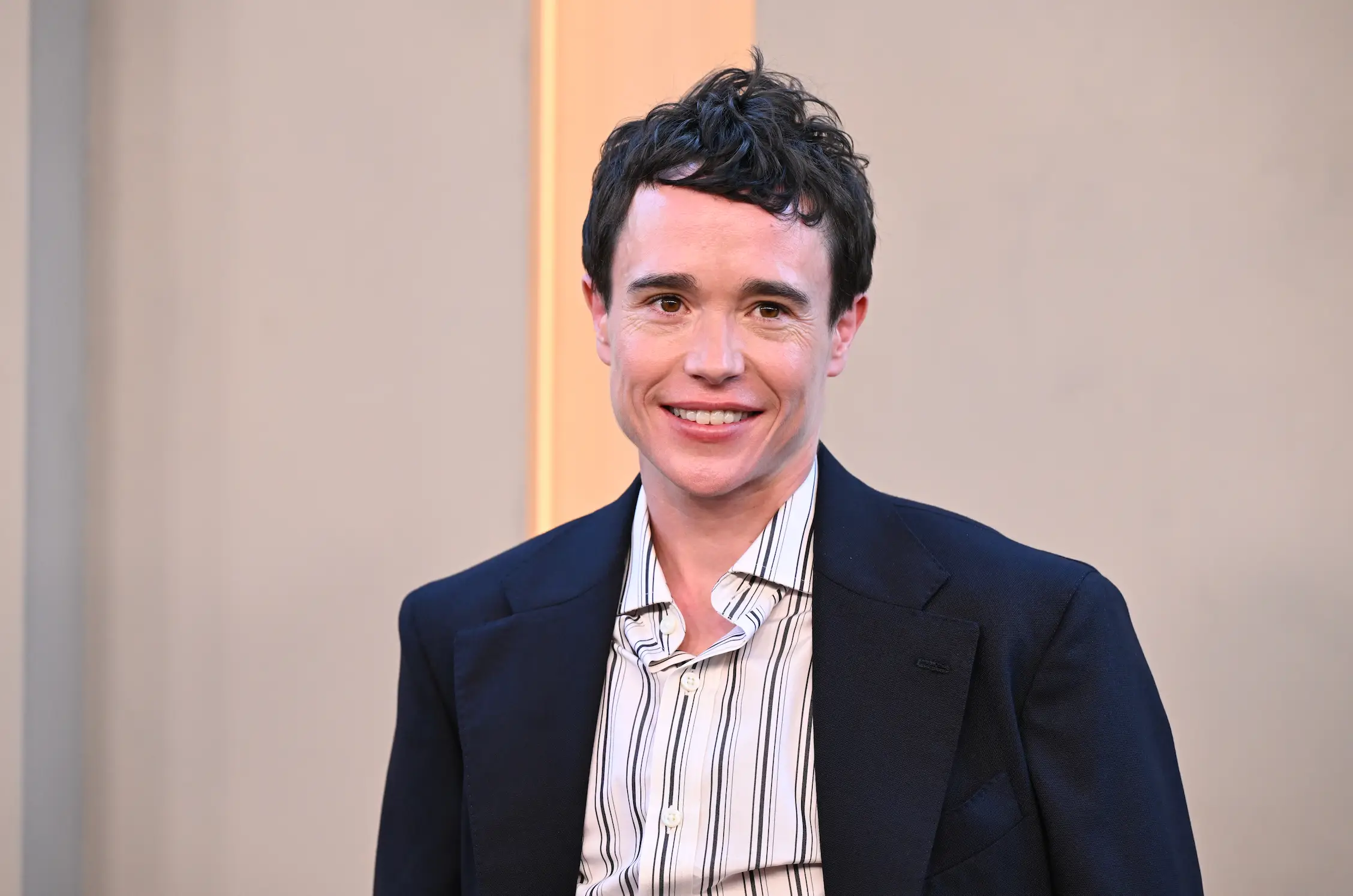
The classicist also hit back at critics who argued Nolan's decision to cast a transgender actor, in Elliot Page, for the role of a Greek soldier named Sinon - who famously carries out the Trojan Horse deception - was somehow incompatible with the ancient setting.
Like Nyong'o, Page agreed that a lot of the 'noise' surrounding him joining the cast had been based in 'utter bigotry'.
Asked how he would address the backlash, he said: "I just don't think it's worth it."
Fortunately, one key contributor to the A-list project is standing firmly by the choices made by casting executives, and that's Nolan himself.
Speaking about the reaction before audiences had even purchased their cinema tickets, the British filmmaker argued that judging an adaptation before experiencing it misses the point.
Nolan defends his choices
"Those conversations that happen before people see the film - they're always irrelevant, because no one having them knows what the film actually is yet," Nolan explained, pointing out that the main responsibility of directors is to produce the strongest version of the story they can.
"When it comes to The Odyssey, all I can do is make the best film I possibly can in the most sincere way."
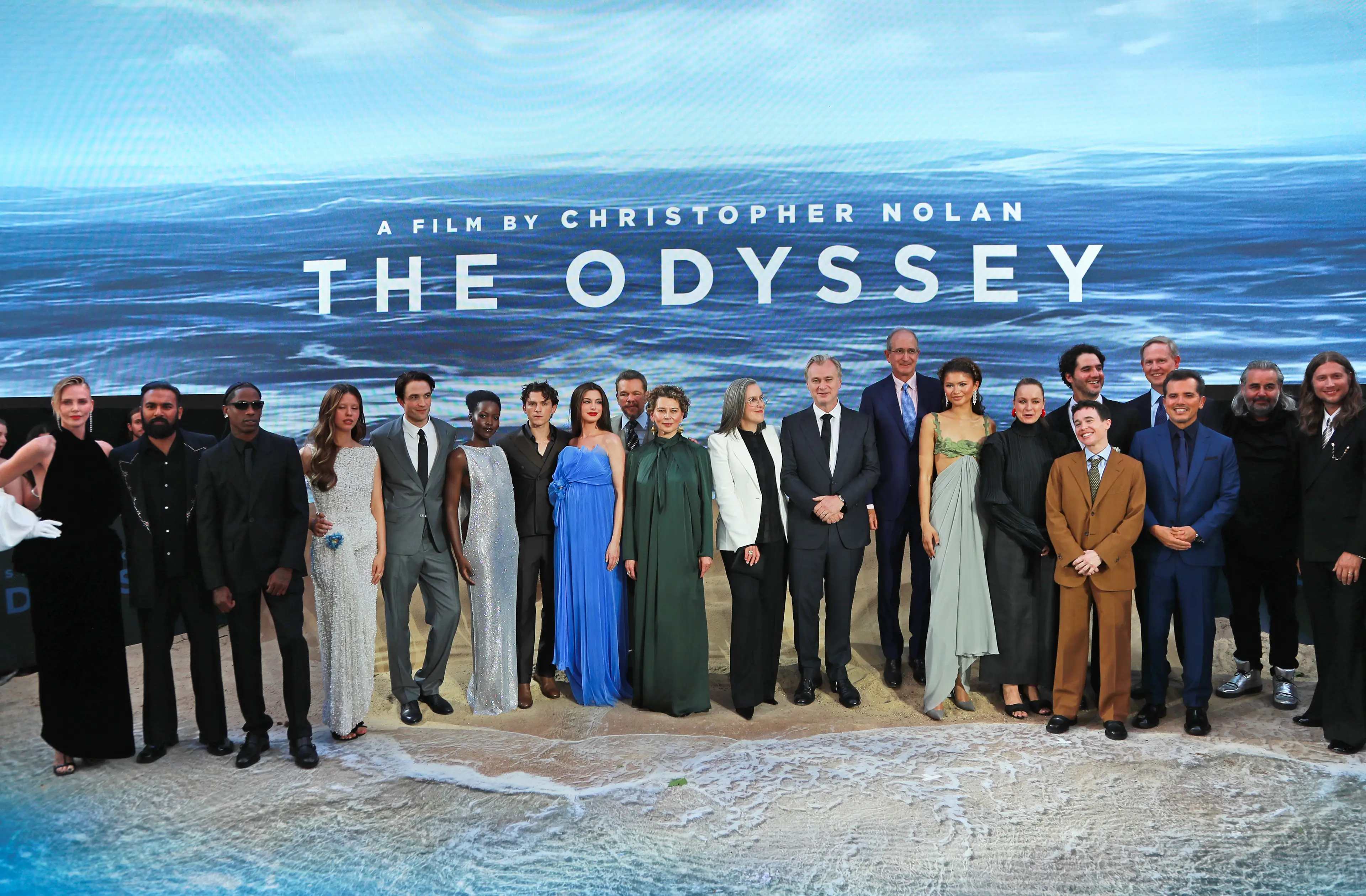
As Dr Hauser so perfectly explained, the beauty of Homer's Odyssey is that it's a poem that never belonged to one generation, one audience or one interpretation. It's a masterpiece containing characters that have endured for thousands of years.
Her perspective is a timely reminder that the real conversation isn't about policing who gets to step into these mythical roles, but about what each new retelling chooses to say.
Whatever your feelings on Nolan's adaptation, I'd much rather judge it on the story it tells than the noise that surrounded its casting.
For all the controversy, I'm still hoping to sit down and watch a breathtaking new take on one of the greatest legends ever written, and I refuse to let the hateful discourse of supposed 'movie buffs' that preceded its release rob me of that excitement.
Topics: TV And Film, Entertainment, US News, Celebrity
 Rhianna Benson