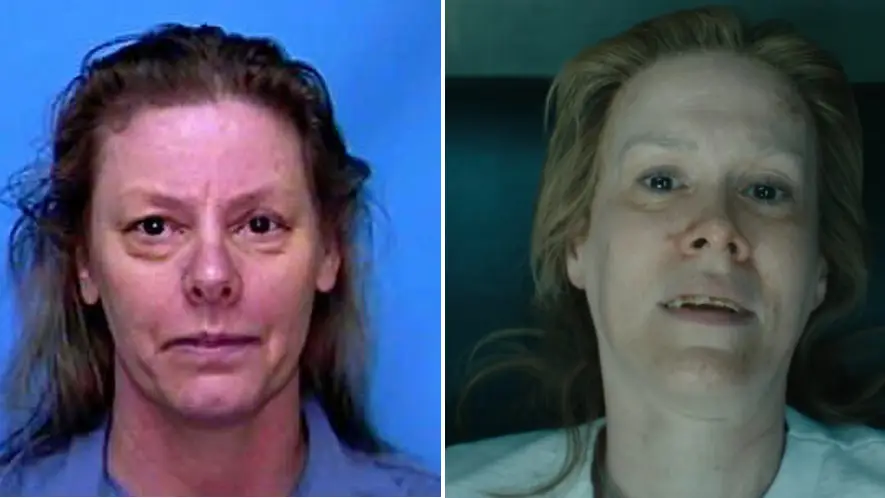
Aileen Wuornos' actual final meal before execution as Monsters gets key detail wrong

Netflix's Monster: The Lizzie Borden Story has taken some pretty major liberties with Aileen Wuornos' storyline - and her final meal is another detail Ryan Murphy opted to change up.
The horror anthology follows centres on the retelling of Lizzie Borden's story, after she was accused of and subsequently released over the violent murder of her father and stepmother with an axe.
While the two women lived almost a century apart, Murphy also chose to incorporate another female killer into the mix, in the form of Aileen Wuornos, played by Sarah Paulson.
Monster deliberately connects their stories, with Wuornos becoming fascinated by Borden and seeing her as a woman who managed to escape punishment for killing.
Advert
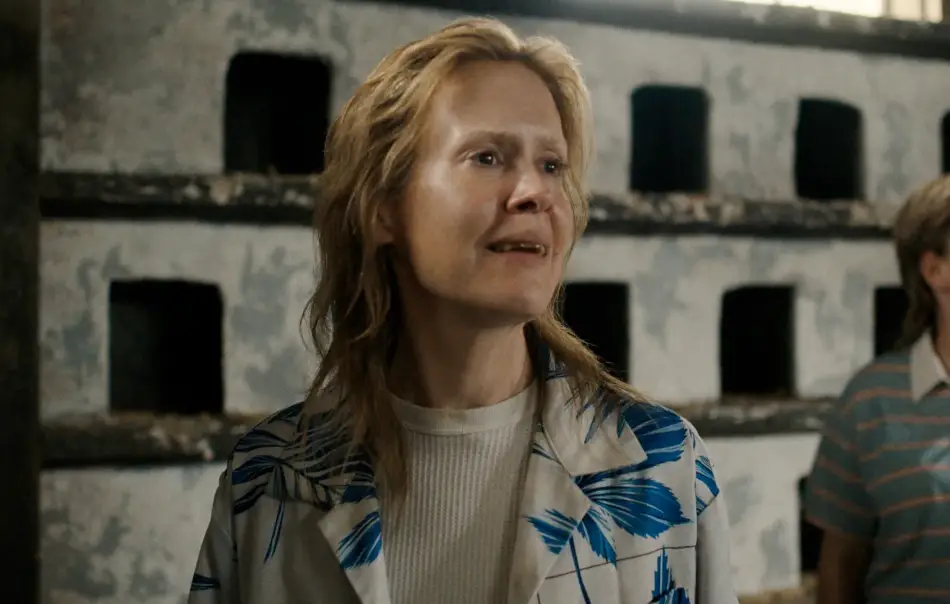
That connection is entirely a creation of the show, and in reality, there's no evidence the real Wuornos was obsessed with Lizzie Borden or ever stayed at the Borden home, with Netflix describing the relationship as part of the series' exploration of a 'legacy of female rage'.
"So we are kind of doing this fantasia of women vs. the system," Murphy told THR. "And it’s not what they did; it’s the question of: What made them do it? Why did they do it, if they did it? That’s what the show is about."
But it's during the final moments of Wuornos’ life that the show makes one particularly noticeable change.
What does Aileen Wuornos eat in Monster?
In the series, Wuornos is shown sitting down to eat KFC shortly before she is executed, having chosen fast food as her final meal.
It makes for a memorable final moment, but it isn’t what happened in real life.

According to accounts of Wuornos’ final hours, she declined her final meal and instead had a cup of coffee.
She spent much of her final morning reading the Bible and sipping on joe, having decided the meal on offer wasn't up to her liking.
She was executed in Florida in 2002, aged 46.
What were Aileen Wuornos' final words?
The series also gives Wuornos a dramatic final statement about being a woman being punished for something a man might have got away with.
In real life, however, her final words were very different.
Wuornos made a strange, surreal statement referencing Independence Day and The Terminator, saying she would 'be back' and describing herself as 'sailing with the Rock' and going with Jesus.
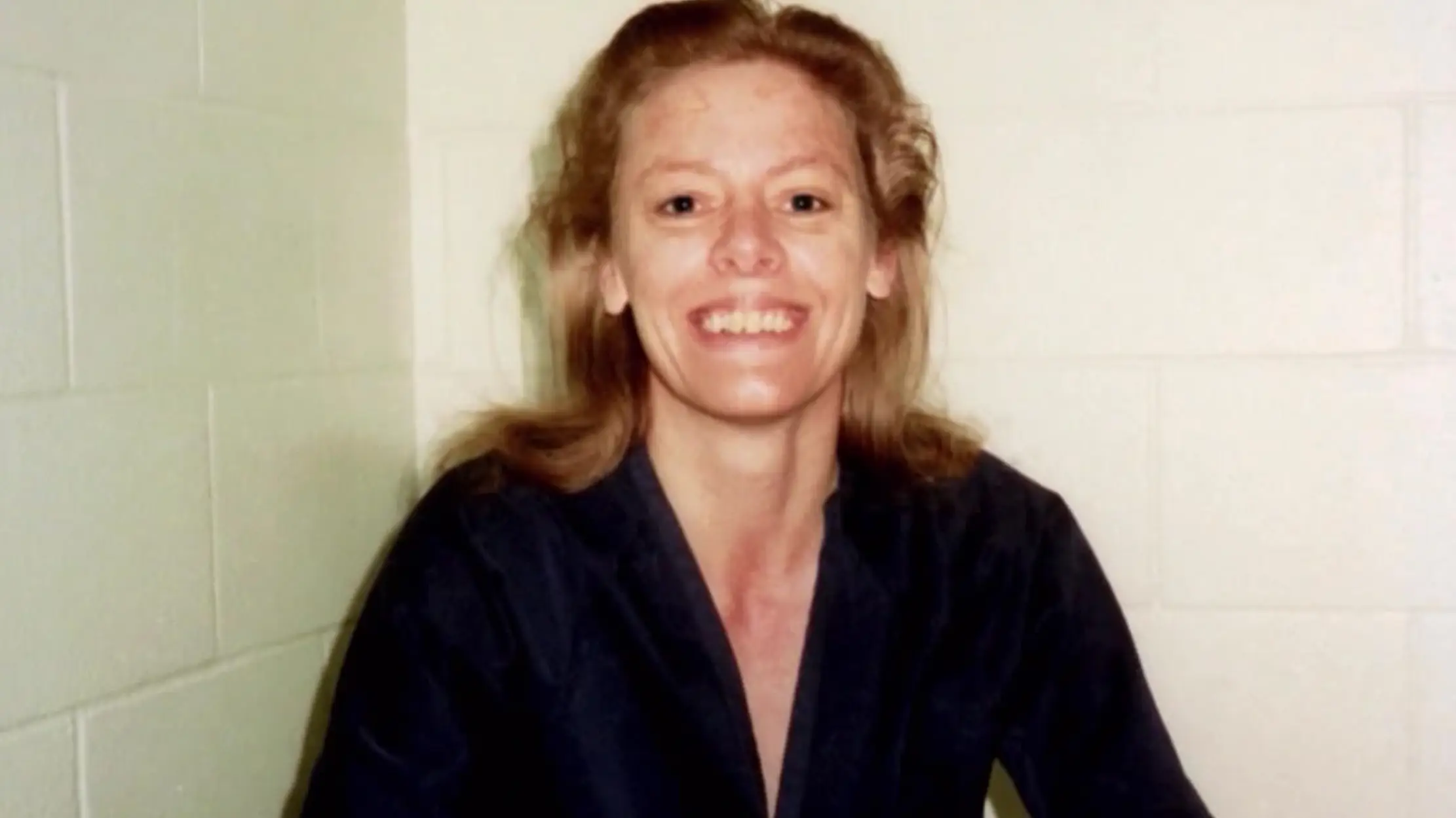
The show also incorporates Natalie Merchant’s 'Carnival' into the execution scene.
That detail has a real-life basis, with Wuornos reportedly requesting the song before her execution.
Unlike Wuornos, Borden was acquitted of the murders at her trial in 1893, and the case has remained the subject of speculation ever since.
Topics: True Crime, Crime, US News, Netflix, Entertainment
 Rhianna Benson