
The Office star Lucy Davis' 'incurable' diagnosis raises questions over six unusual breast cancer signs

Questions have been raised over the most frequently overlooked indicators of breast cancer following actress Lucy Davis' diagnosis.
The British TV star took to Instagram on Tuesday (11 August), where she revealed that a year and a half ago, she was told she had stage 4 cancer.
Since then, Davis added, the disease has metastasised to her bones, 'specifically to my spine, right hip, and my ribs'.
"The cancer is incurable, and too late for chemo," Davis, famed for playing Dawn Tinsley in the hit BBC mockumentary series The Office, confirmed.
Advert
Continuing with her emotional message, the 53-year-old vowed to live what's 'left of my life' in as 'fun a way' as she can.
"I always like to find the teachable moments in anything negative that happens, and cancer has not disappointed in that regard; there’s a lot I have learned from it, and I’m grateful for that," she said.
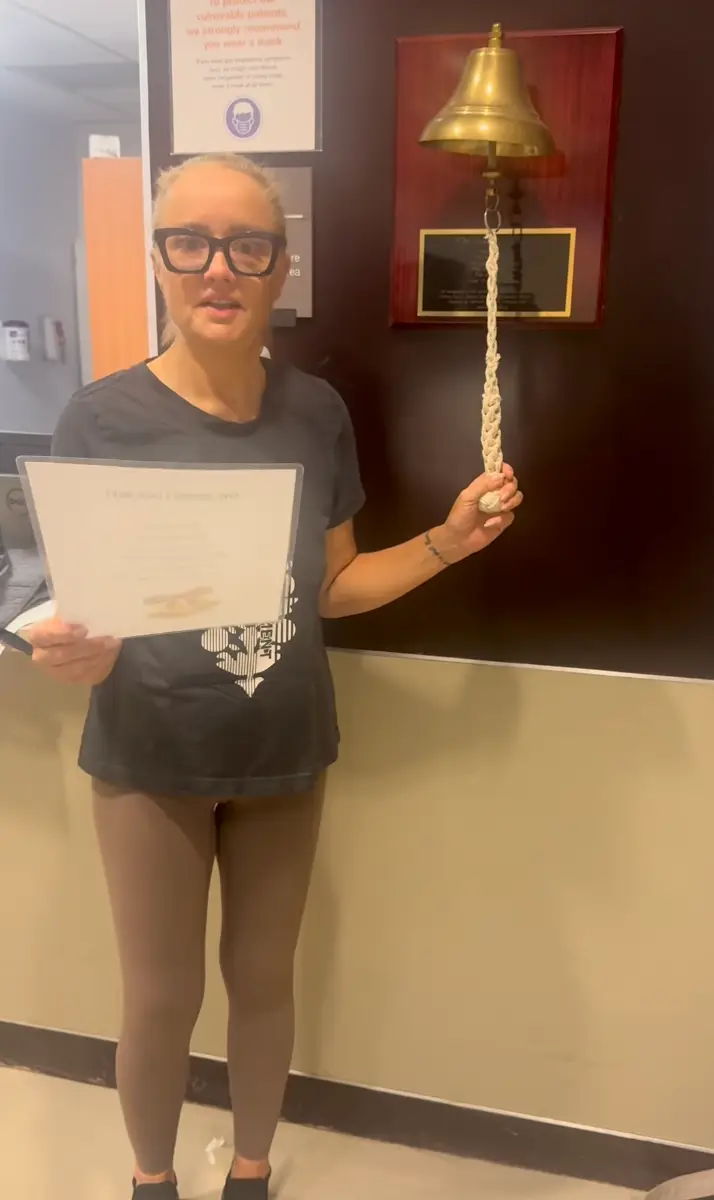
"As some of you will know, the pain can really be something else. Standing and walking for too long a time can be hard, and I need to use a wheelchair sometimes (so if you see me toddling around in one, feel free to give me a push!).
"The thing that has been most vital to me is humour. I asked my friends and family to make fun of me as much as possible (which they’re really good at), and most importantly of all to not treat me like a sick person. There’s nothing that will make you feel more unwell than being treated as if you’re unwell."
In the same statement, the Shaun of the Dead star recalled the first cancer indicator she came across before receiving her diagnosis, claiming it seemed so insignificant at the time that she nearly brushed it off.
"The initial lump that I felt wasn’t a ‘lump’ as such; rather a kind of hard spot," Davis confessed. "Really tiny. I almost didn’t bother getting it checked."
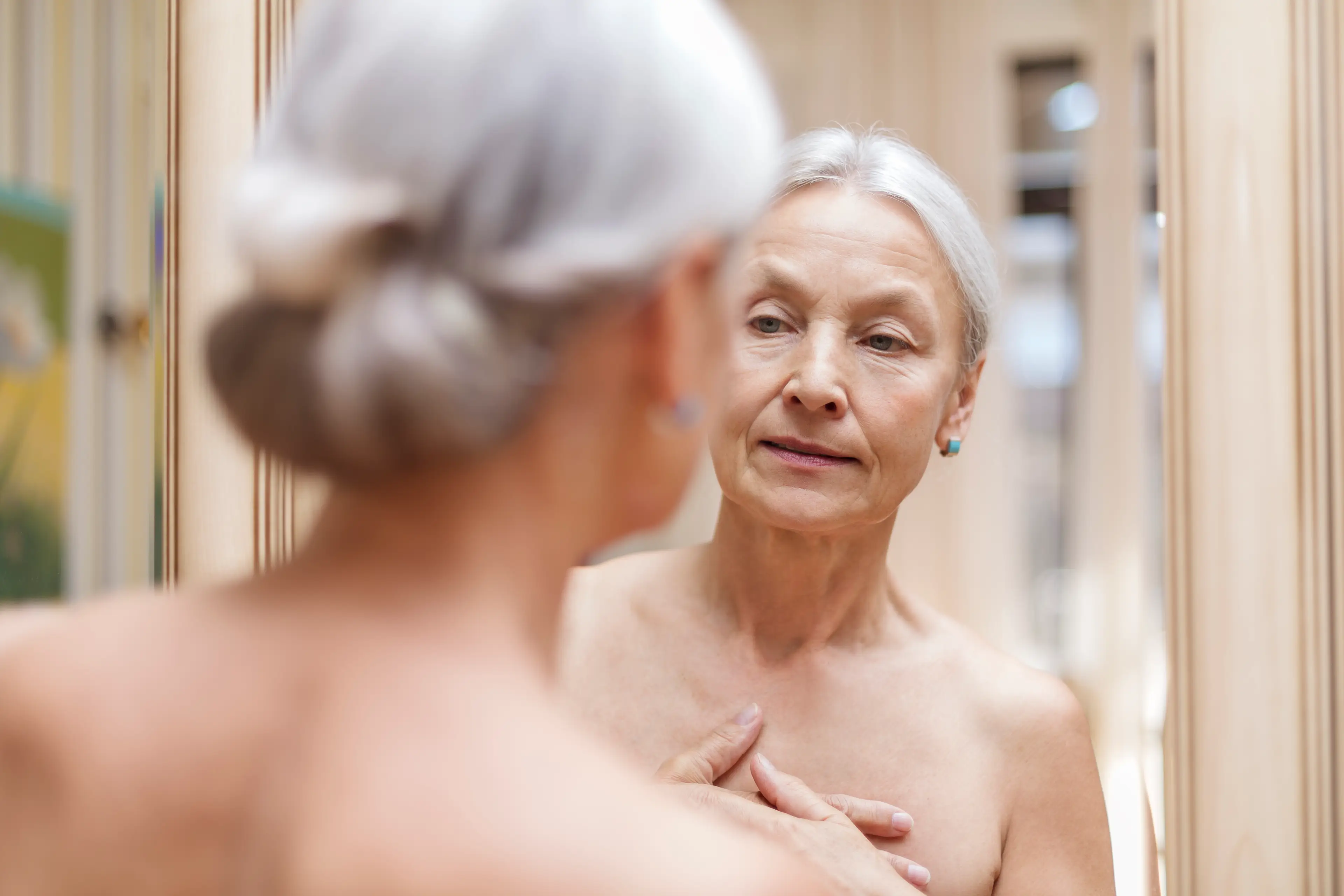
A new lump is one of the most common symptoms of breast cancer. It can feel like a hard or thickened area in the breast, chest or underarm that feels different from the surrounding tissue.
When checking for a lump, the NHS advises people use the flat pads of their fingers to gently feel across their breasts and chest, including the area from their collarbone to their armpit. Try checking both standing and lying down, using light and firmer pressure to feel for anything unusual.
Getting familiar with how your breasts and chest normally feel can help you spot a new lump or change more easily. If you find a new lump or anything that feels different, speak to your GP or a healthcare professional.
Uncommon symptoms of breast cancer
While they may not be as common, there are a handful of other unusual breast cancer indicators that women should look out for, despite the fact they can sometimes fly under the radar.
Flaky nipples
According to the NHS, flaky, scaly or red skin can appear on the nipple or areola and, while it can be caused by irritation or skin conditions such as eczema, it can also be a sign of breast cancer.
This type of nipple can also be linked to Paget’s disease of the breast, a rare form of breast cancer.
If the flakiness or irritation doesn't improve, or you notice a persistent change to the skin around your nipple, you should speak to your GP or healthcare professional.
Nipple discharge
Nipple discharge can happen for several reasons, but an unusual discharge can sometimes be a sign of breast cancer.

The NHS advises getting any unexpected discharge from the nipple checked, particularly if it happens without squeezing the nipple, affects just one breast, or contains blood.
Discharge can be clear, yellow, brown or red, and may sometimes occur alongside other changes to the nipple or breast. While nipple discharge is not usually caused by cancer, persistent or unusual discharge should be assessed by a GP.
Inverted nipple
A noticeable change in the shape or position of your nipple can sometimes be a sign of breast cancer. This may include a nipple that suddenly becomes flattened, turns inward or appears pulled into the breast when it wasn't before.
The NHS lists a nipple that becomes inverted as one of the changes to look out for, while other breast cancer symptoms can include changes to the skin around the nipple, such as redness, a rash or soreness.
Nipples can naturally change shape because of things such as pregnancy or temperature, but if you notice a new or persistent change that is unusual for you, it's important to speak to your GP.
Changes to breast shape and colour
A change in the way your breast looks or feels can sometimes be a sign of breast cancer. This may include a change in size or shape, swelling, or skin that becomes red, irritated, dimpled or develops a rash.
It is advised that women look out for changes such as dimpling or puckering of the skin, changes in colour, or a change in the size or shape of the breast.
They may also notice an area that looks indented or a contour that wasn't there before. Breasts can naturally change throughout the menstrual cycle, but if a change is new, persistent or unusual for them, it should be checked.
Thickening of the skin
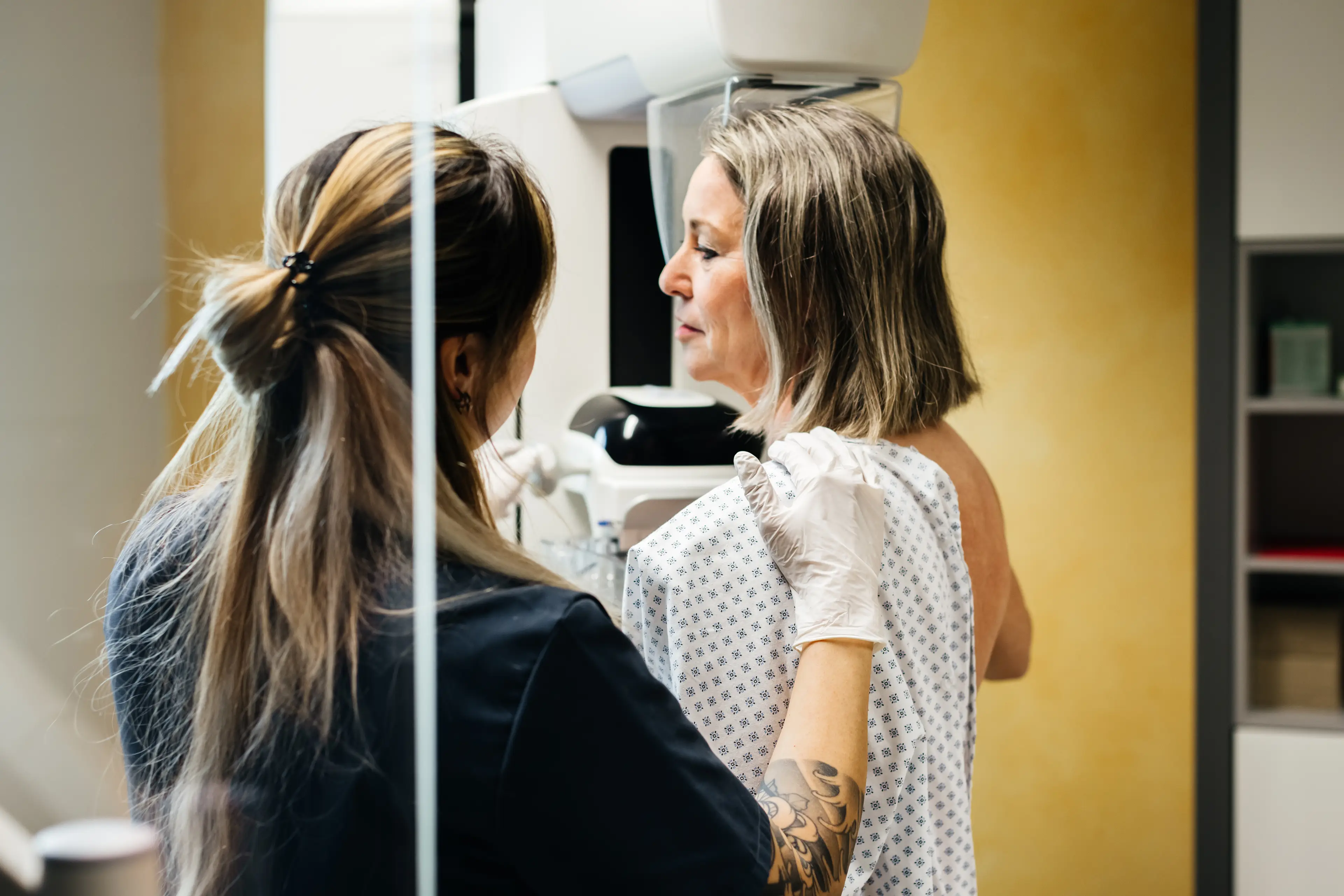
A new area of thickened or firmer tissue in the breast or around the skin can be something to look out for.
The NHS lists a change in the size or shape of the breast, as well as changes to the skin, among the possible symptoms of breast cancer.
You may notice that part of the breast feels different from the surrounding tissue, looks swollen or appears thicker than usual.
In some cases, swelling and thickening can occur when cancer cells block the lymph vessels in the skin, which can cause the breast to become red, swollen or have a dimpled, 'orange peel' appearance.
Skin dimpling
New dimpling or puckering of the skin on the breast can be a possible sign of breast cancer.
Women are advised to scout for these changes, as well as alterations in the size or shape of the breast that may feel like they came out of nowhere.
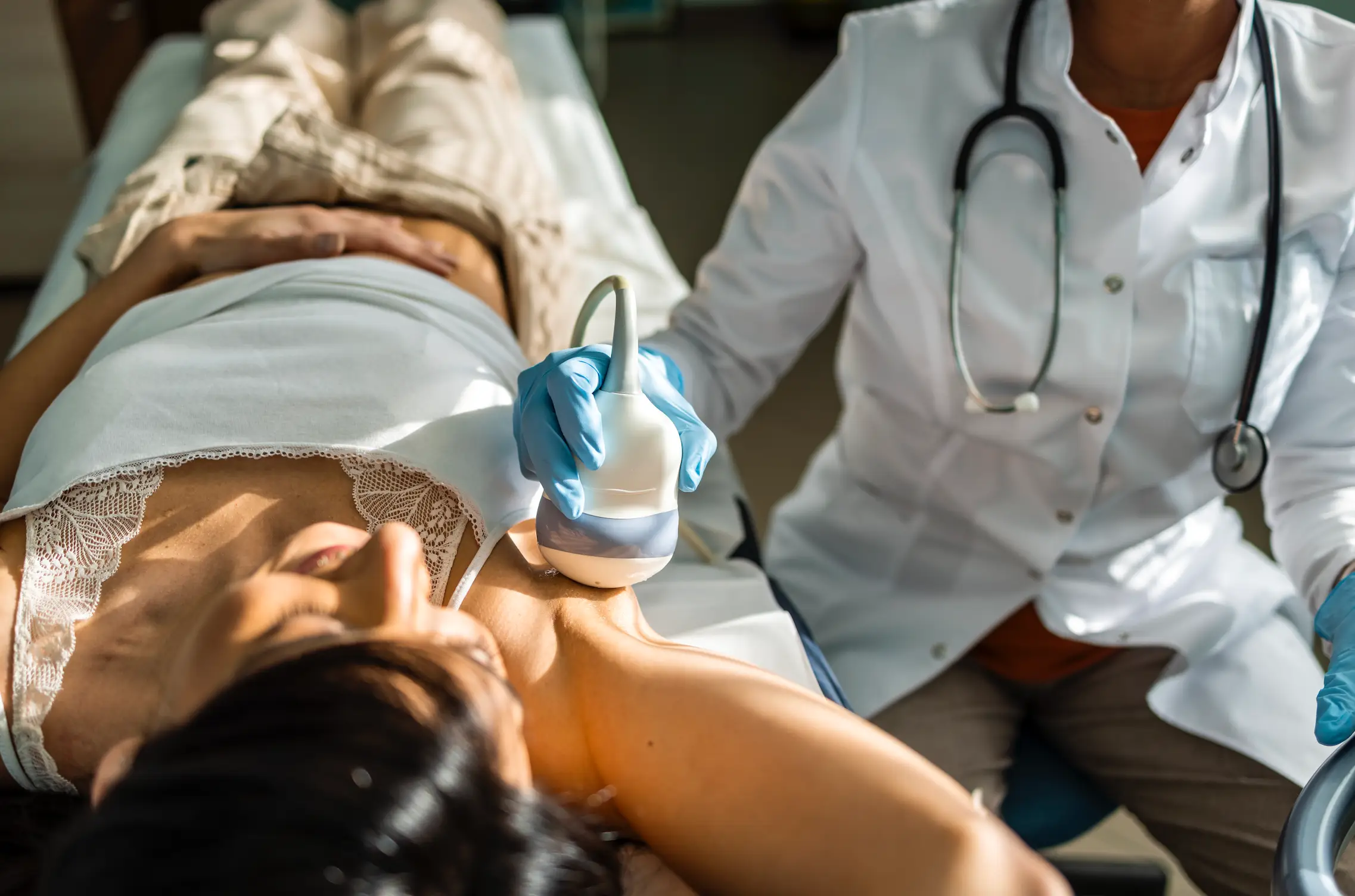
These changes may be easier to spot when looking at your breasts in the mirror or raising your arms, and you may not necessarily be able to feel anything underneath the affected area.
Temporary marks caused by tight clothing should normally disappear, but if an indentation remains or appears without an obvious cause, it’s important to have a chat with your doctor.
If you’ve been affected by any of these issues and want to speak to someone in confidence, contact Macmillan’s Cancer Support Line on 0808 808 00 00, 8am–8pm seven days a week.
Topics: Cancer, Celebrity, UK News, Health, Women's Health
 Rhianna Benson