George Michael's incredible secret donations only came to light after his death

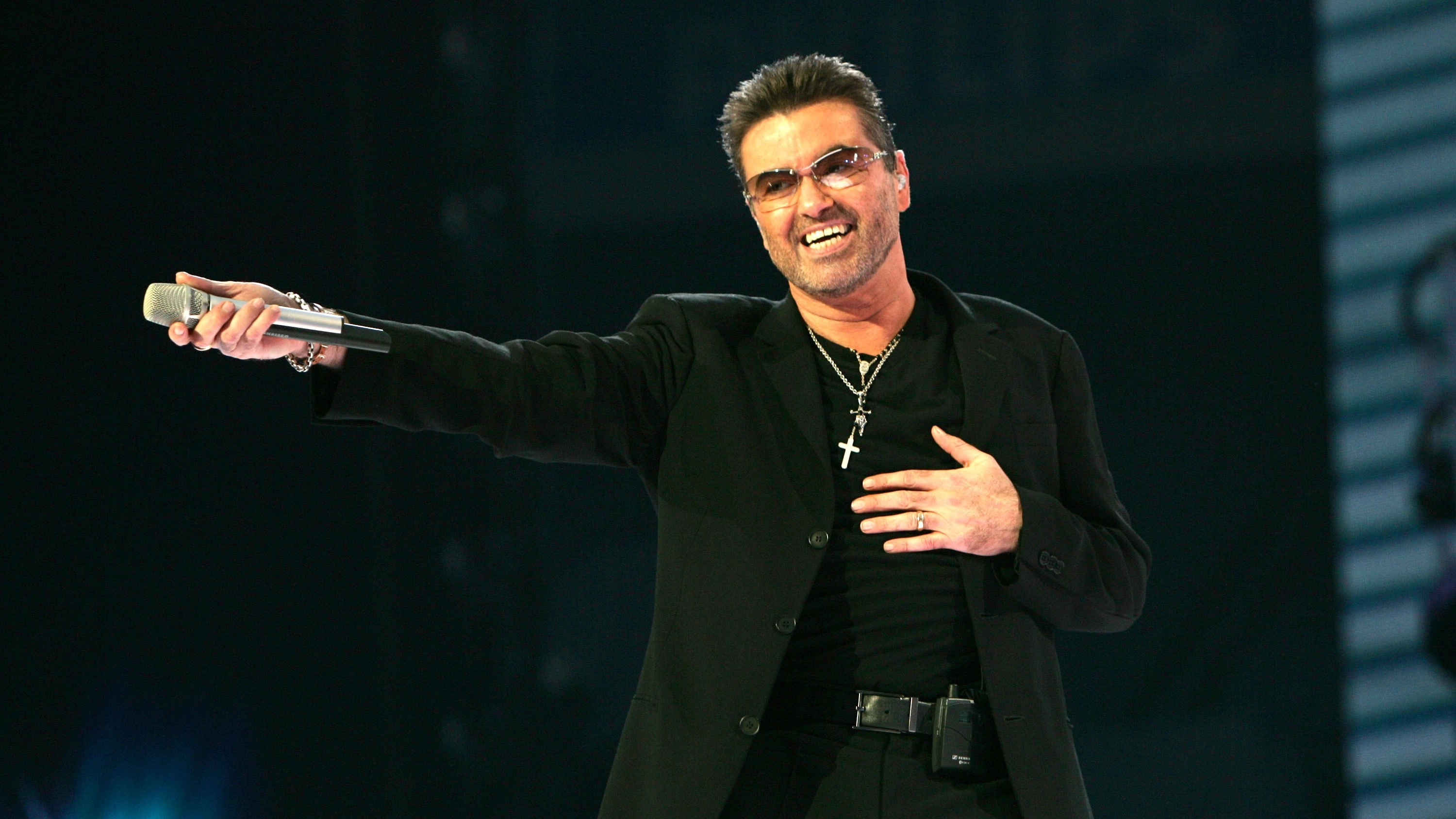
There are some voices that Christmas simply wouldn't feel the same without - and for many, George Michael's is one of them.
Whether it's the familiar opening notes of Wham!'s 'Last Christmas', or the unmistakable sound of 'December Song', the singer's music has become woven into the fabric of the festive season.
But as the 25th December approaches, and fans prepare to mark a decade since his unexpected death, there is another part of Michael's awe-inspiring legacy worth remembering.
Beyond the chart-topping hits, sold-out concerts and decades of musical success, the singer was quietly changing people's lives through extraordinary acts of generosity - many of which only became public knowledge after he died.
Advert
In fact, some of the stories that emerged in the days following his death were so remarkable that fans were left wondering just how much kindness the notoriously private star had kept hidden.
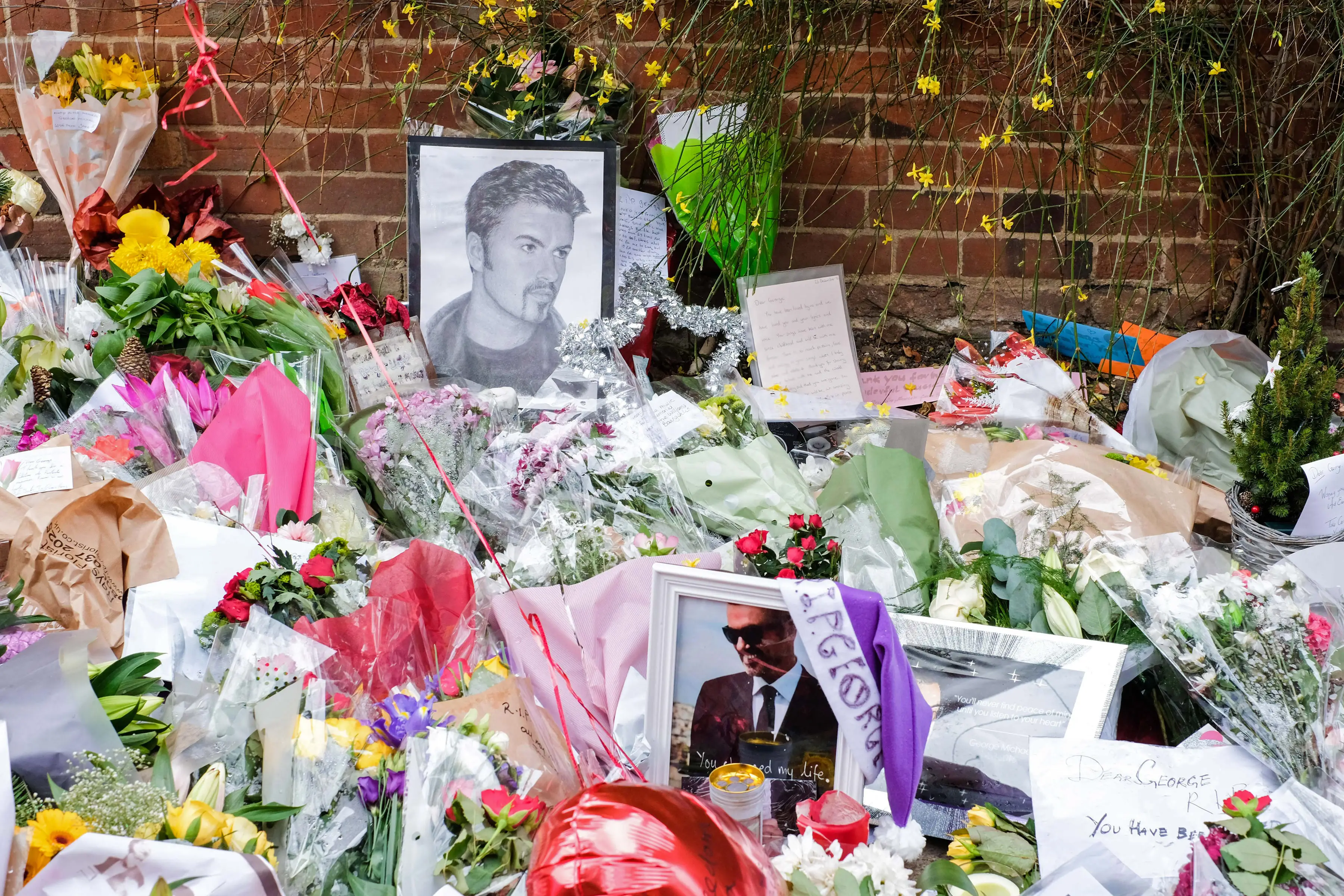
One of the most touching revelations came from much-loved British television presenter Richard Osman, who shared an extraordinary story involving a contestant on Deal Or No Deal.
Taking to Twitter shortly after news of Michael's death broke, the House of Games frontman recalled how a woman appearing on the Channel 4 game show had spoken about needing £15,000 to fund IVF treatment.
He wrote online in the hours that followed: "A woman on Deal Or No Deal told us she needed £15k for IVF treatment. George Michael secretly phoned the next day and gave her the £15k."
The woman was later identified as Lynette Gillard, from Bolton, whose partner Steve Davies had appeared on the programme in 2008.
Speaking to The Telegraph after discovering who had helped her, Lynette said: "For many years I wondered who would have been so generous and now I know. What more can I say other than 'Thank you George'."
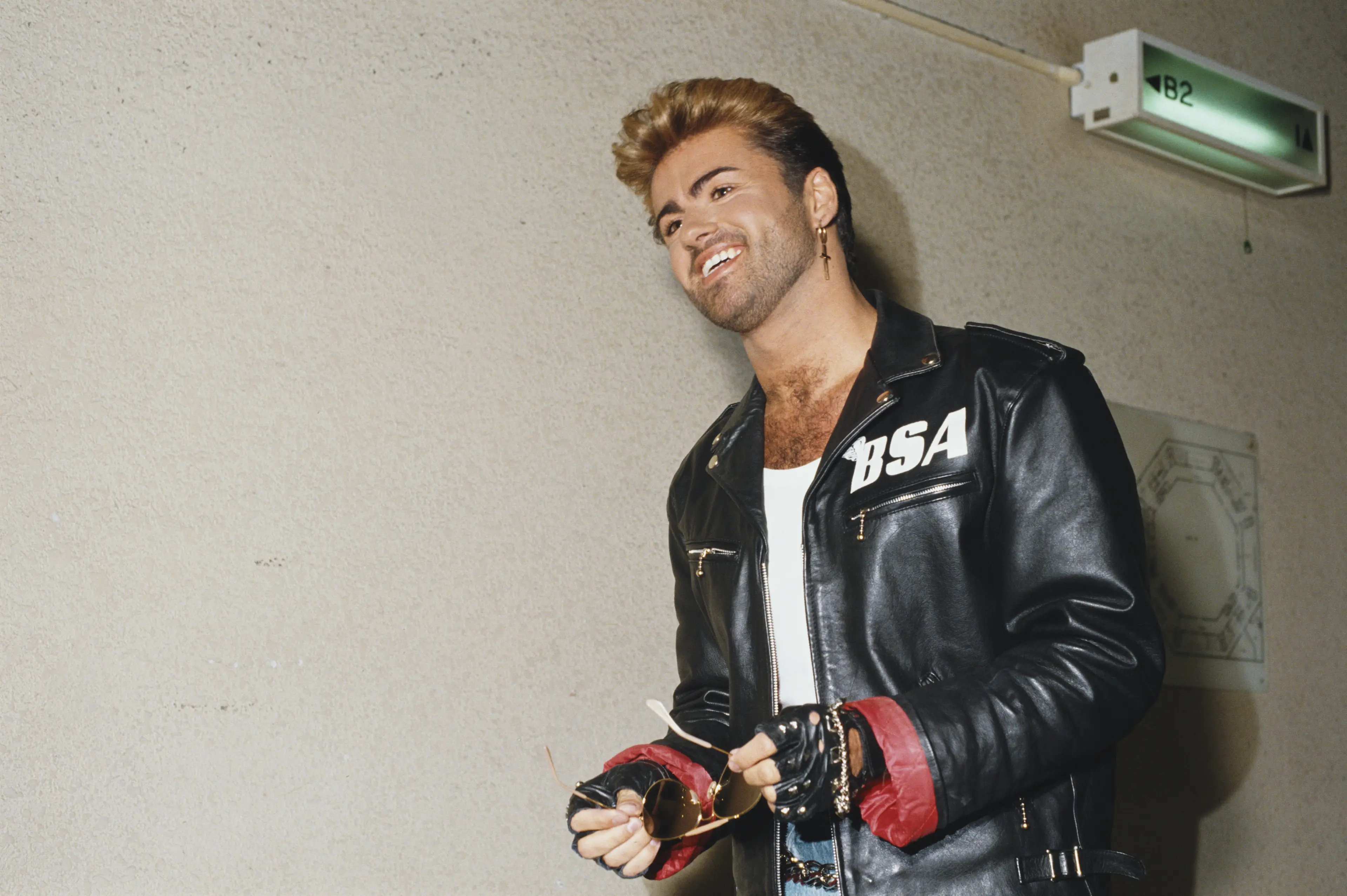
At the time, her partner had also spoken about the life-changing gesture, telling the Manchester Evening News: "Thank you is not enough. It restores your faith in humankind. All the bad news you read about and then something like this happens."
It was a story that perfectly captured the kind of person Michael was - someone who could make an enormous difference to a stranger's life without ever expecting recognition.
And it was far from an isolated incident, with journalist Sali Hughes also sharing her own experience of the 'Faith' star's generosity.
Shortly after Michael's passing, she revealed to press that a certain celebrity she had worked with had once tipped a barmaid £5,000 because she was a student nurse struggling with debt.
That big-name star, she confirmed, was Michael.
Elsewhere, Former Capital Radio presenter Mick Brown also remembered how the chart-topper would regularly telephone the station's Easter charity appeal, making an astonishing £100,000 donation to help children in London.
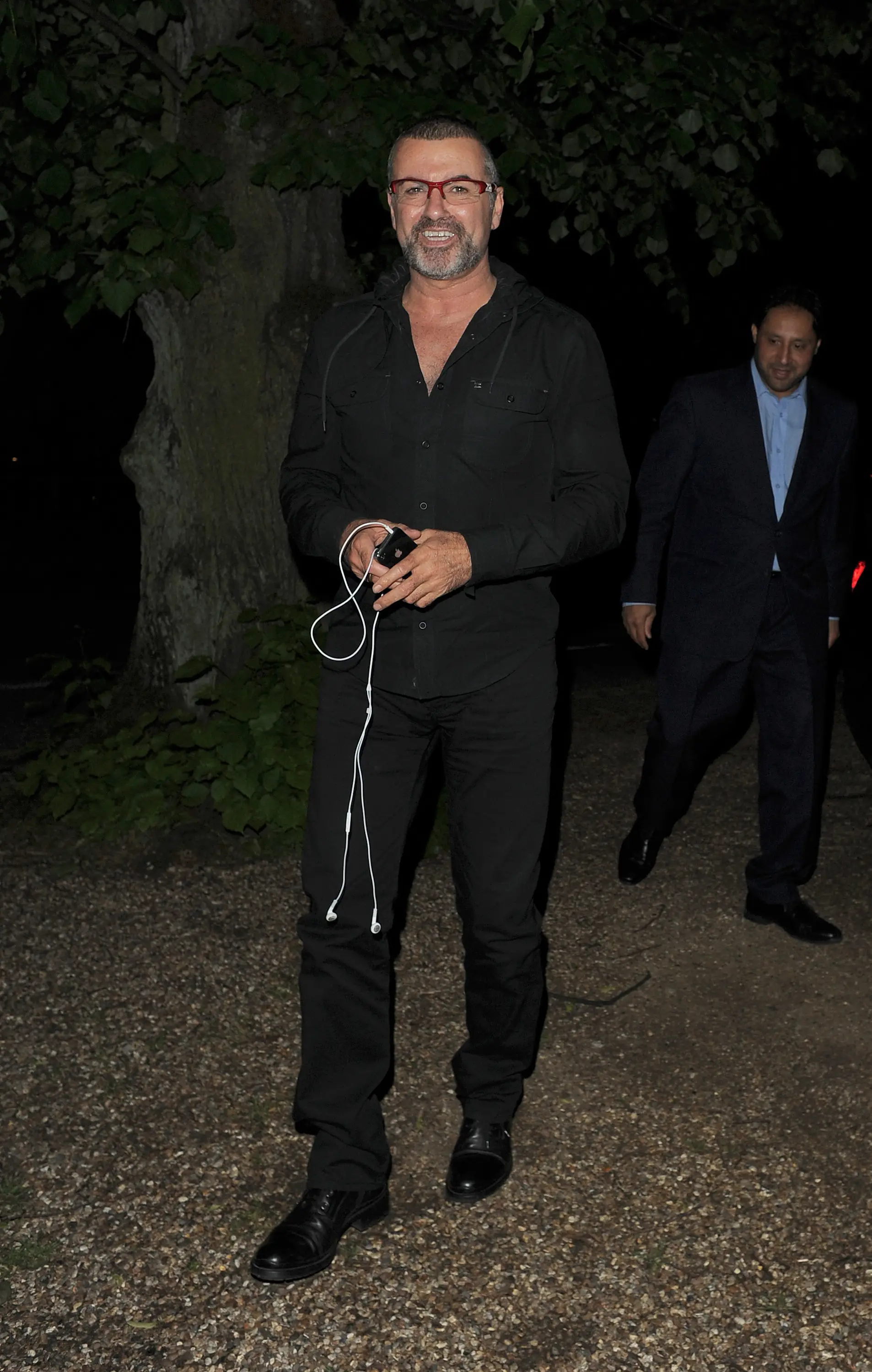
Brown tweeted at the time: "Every Easter at Capital when I was on air with Chris Tarrant for help a London child, George would call in at 3.30pm with a £100,000 donation."
Michael's generosity also extended far beyond individual acts of goodwill, with children's charities, HIV organisations and causes close to his heart benefiting from his wealth and influence.
The late Dame Esther Rantzen, founder of Childline, revealed that he'd donated royalties from his song 'Jesus to a Child' to the charity.
Speaking to BBC News, she explained that his contributions, which she estimated totalled around £2 million over the years, had helped the organisation answer more calls from vulnerable children.
"He really wanted to keep his help secret, it was an intensely personal gift," she explained. "It meant we could answer more children."
She added that Michael 'completely understood' the importance of helping young people, suggesting he may have felt their pain or understood their struggles from a personal perspective.
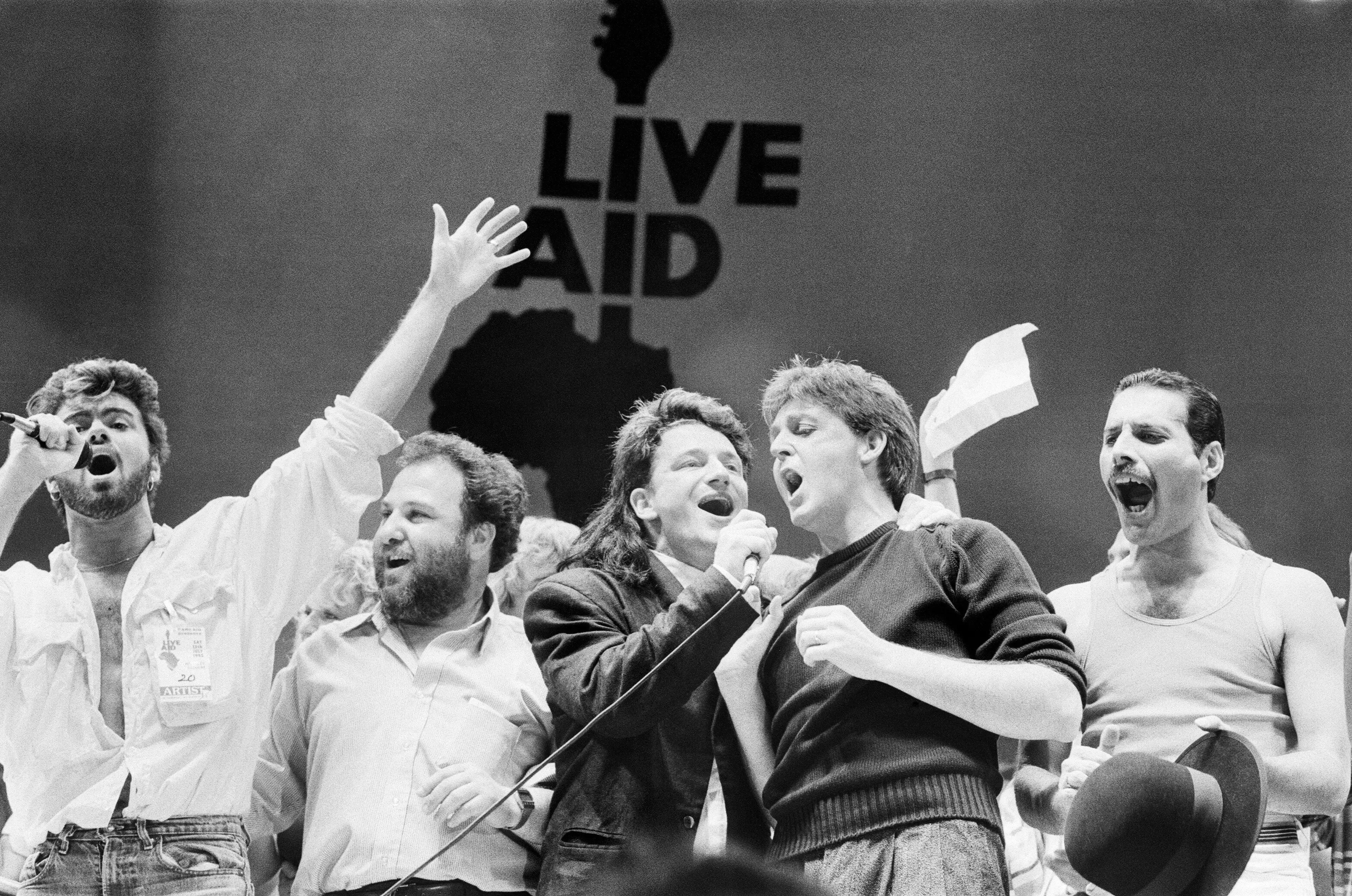
His charitable work was also closely connected to his music.
The proceeds from his 1991 duet with Elton John, 'Don't Let the Sun Go Down On Me', went towards HIV and children's charities, including the Terrence Higgins Trust.
Meanwhile, royalties from Wham!'s festive classic 'Last Christmas' went towards Ethiopian famine relief efforts.
Michael also supported Capital Radio's annual children's appeal, regularly donating substantial sums, while his involvement with Macmillan Cancer Support saw him become one of the charity's ambassadors.
Having lost his own mother to cancer in 1997, he also staged a special free concert at London's Roundhouse in 2006 to thank NHS nurses for the care they had provided.
And while these donations were significant, it was often the smaller, deeply personal gestures that seemed to reveal the most about him.
There were even accounts of Michael working anonymously at a homeless shelter, while other stories described him helping people who were struggling without ever making their circumstances public.
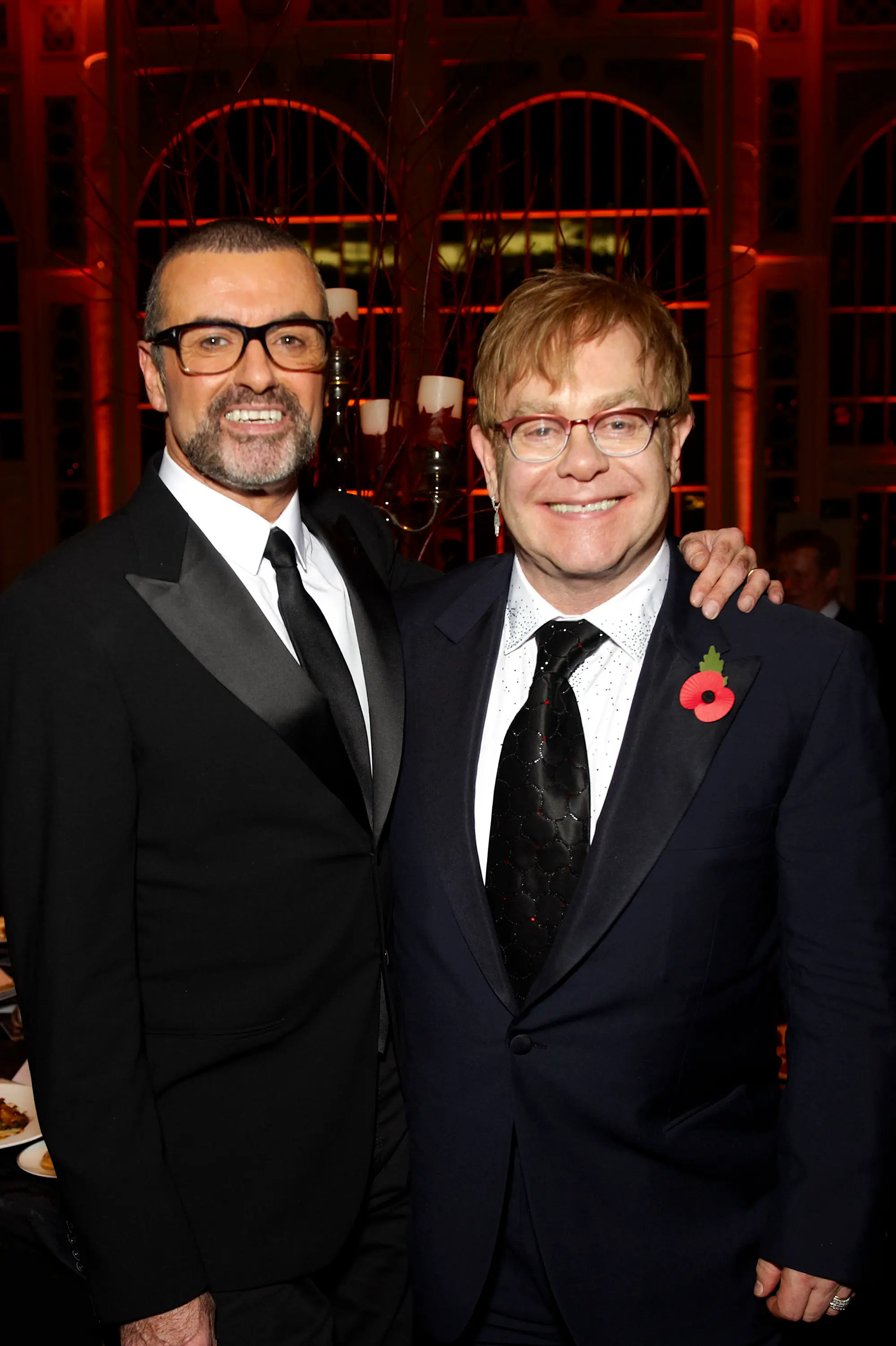
According to George Michael Forever, the singer also established the Platinum Trust in 1990, providing grants to charitable causes and giving millions to organisations over the years.
His approach to philanthropy was perhaps best summed up in a 1999 interview with The Express, when he admitted that he preferred not to discuss his charitable contributions.
"To be honest with you, I really don't like to talk about the amount I've given to charity over the years, I know it's very substantial. I don't exactly know what it is and I don't really like to linger on it," he claimed.
Michael's publicist said there could be 'no more fitting tribute' than people choosing to celebrate his life and legacy.
Nearly a decade on, that legacy remains about much more than music.
As Last Christmas inevitably returns to radio playlists and festive charts, it is worth remembering the man behind the song - someone whose generosity reached people he had never met, whose kindness was often deliberately hidden, and whose impact was only beginning to emerge when he was no longer here to tell his own story.
 Rhianna Benson