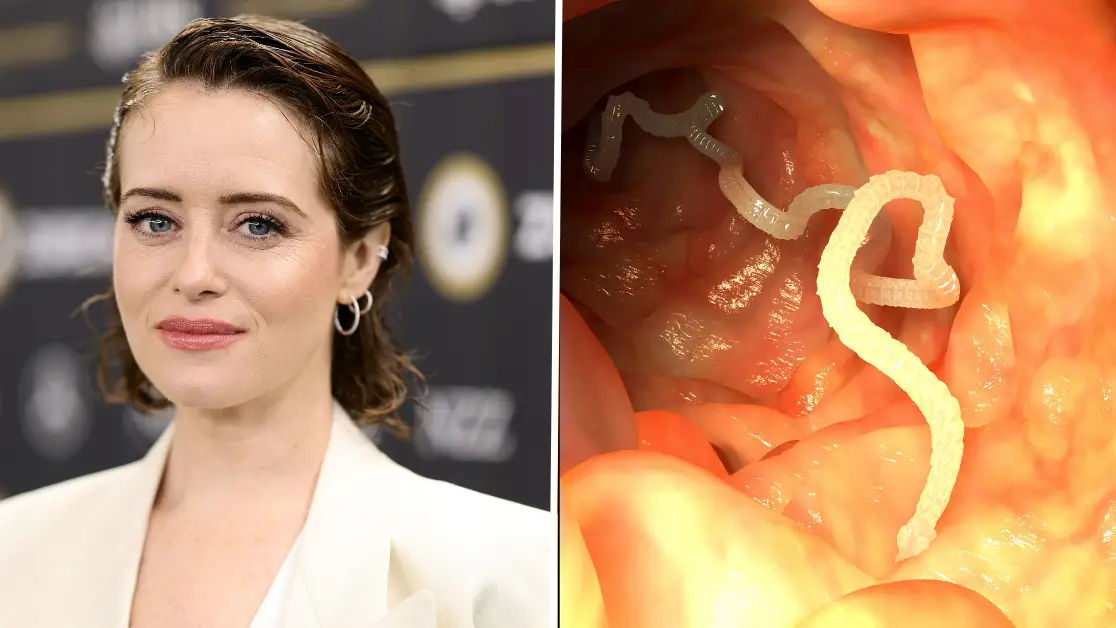
The Crown actress Claire Foy reveals why she had parasites for five years in 'gross' admission

For five years, Claire Foy walked around totally unaware that a foreign parasite was living inside of her.
It wasn't until she began inadvertently losing an alarming amount of weight that The Crown actress - famed for the first portrayal of Queen Elizabeth II in Netflix's royal hit - realised something was seriously wrong.
Foy, 41, recalled her harrowing health blow as a guest on the Table Manners podcast, telling hosts Jessie and Lennie Ware she'd contracted the nasty bug whilst on holiday in Morocco.
"Quite a few years ago, I had parasites," she began during this week's appearance, revealing that they'd stayed in her system after catching an infection - something Foy described as 'gross'.
Advert
"I kept losing weight and I didn't know what was going on," the mother-of-one recalled.

Medics reportedly recommended that Foy make some changes to her diet in a bid to keep the weight on, because the award-winning star 'didn't want to take really hardcore antibiotics'.
More specifically, they suggested she cut out caffeine, being a self-confessed coffee nut.
"I took all this little gross stuff, and part of that was giving up caffeine," the Very British Scandal actress continued.
Eventually, they discovered the cause of her symptoms, with Foy believing she suffered parasites for 'at least five years' before even realising.
According to the NHS, parasites are defined as organisms that reside in a host - in this case, a human being - and feed off the food they consume.
These can come in a variety of different species and can be contracted either domestically or abroad, but mostly exist in the form of worms.
The most common indicators of a parasite being present within the body include itchy, worm-shaped rashes, as well as constant nausea, and stomach pains that can last up to several weeks on end.
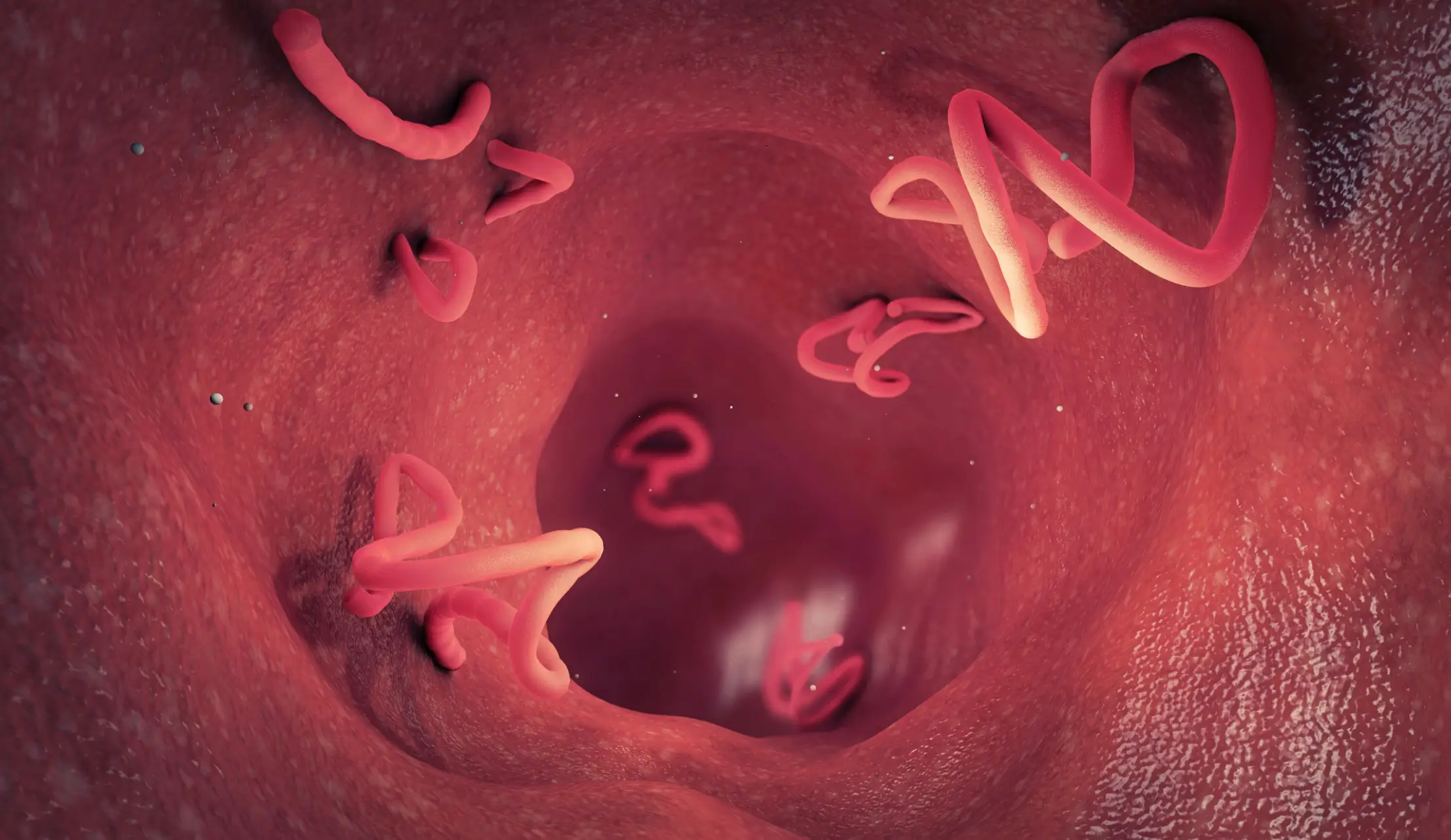
As in Foy's case, they can enter the body through infection. This can occur by making contact with contaminated surfaces or objects, by consuming food and beverages laced with worm eggs, or by consuming raw or undercooked meat and fish.
"They travel as a pair," Foy explained. "I got told by the doctor - gross, absolutely rank, it's disgusting."
The NHS adds that, in the vast majority of worm infection cases, prescribed medication can be used as treatment.
When it comes to prevention, the UK health service adds, it's vital to wash hands regularly using soap and warm water, remain vigilant whilst preparing food, and only drink bottled water in areas considered high-risk.
It's also important that pets are dewormed, and that garden produce is thoroughly rinsed before consumption.
Topics: Health, The Crown, Celebrity, UK News, Life, Real Life, True Life
 Rhianna Benson