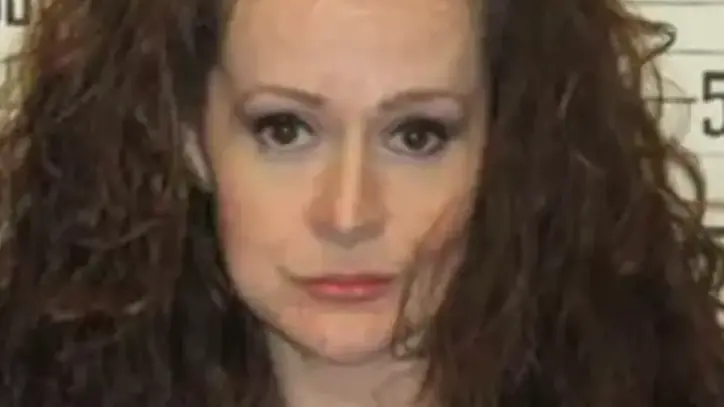
Death row killer Christa Pike reveals how she really feels about execution that is just days away

With just two days until her execution, Christa Pike has spoken candidly about the murder that put her on death row, saying she feels 'remarkably remorseful' for taking the life of 19-year-old Colleen Slemmer.
Pike, now 50, is scheduled to die at Riverbend Maximum Security Institution in Nashville, Tennessee, via lethal injection on Wednesday (30 Sept) after more than three decades on death row.
If carried out, the execution would make her the first woman executed by the state in more than 200 years.
Pike was 18 when Slemmer was murdered in January 1995. The pair were students at a Job Corps centre in Knoxville, Tennessee, with Pike believing Slemmer was interested in her then-boyfriend, Tadaryl Shipp.
Advert
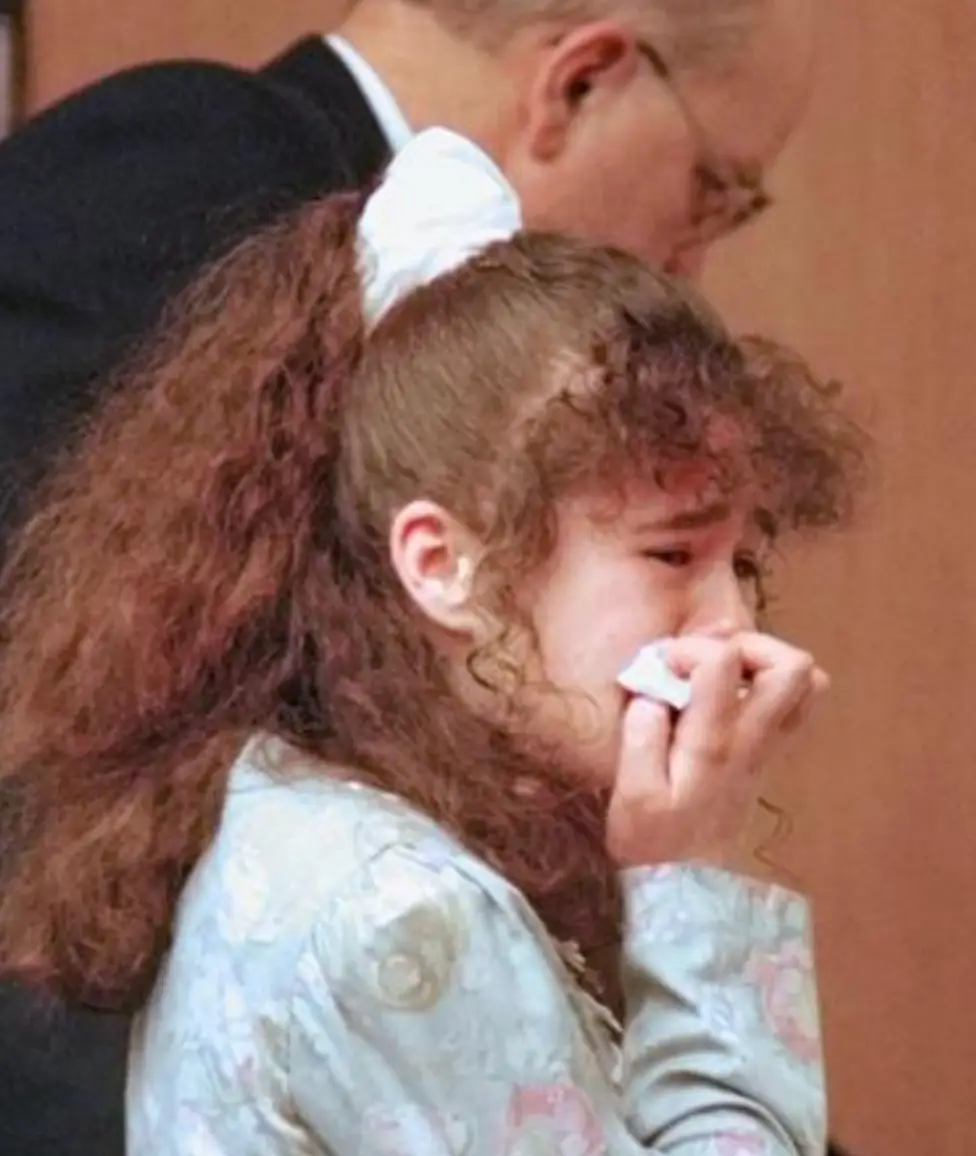
Pike, Shipp and their friend Shadolla Peterson lured Slemmer to an isolated area near the University of Tennessee's Agricultural campus, before being attacked and killed.
Pike was convicted of first-degree murder and conspiracy to commit murder and sentenced to death in 1996.
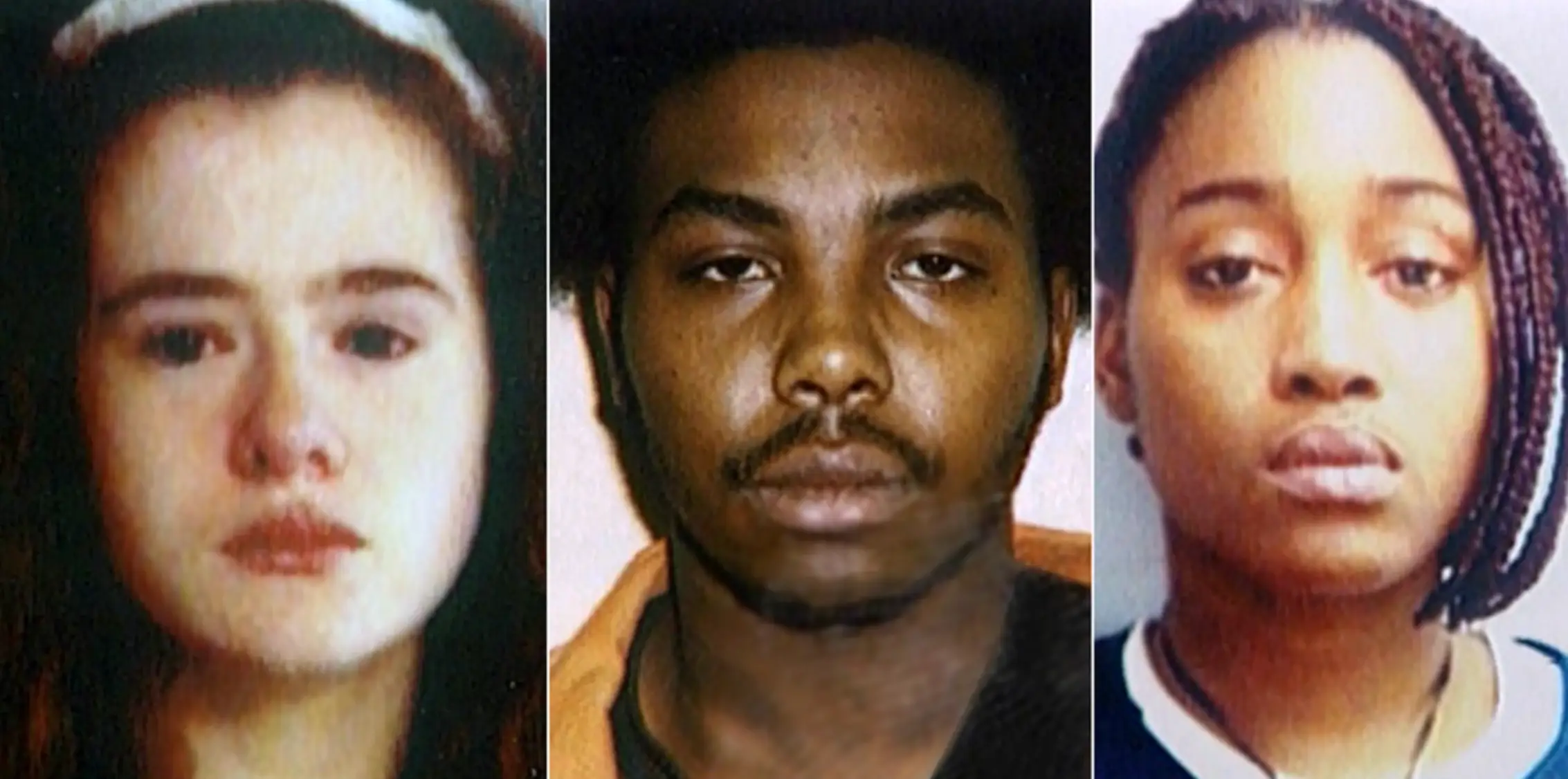
Shipp, who was 17 at the time, was also convicted of first-degree murder and conspiracy to commit murder but received a life sentence with the possibility of parole. Peterson pleaded guilty to being an accessory after the fact and received six years' probation after testifying against Pike and Shipp.
But as the clock continues to tick down, Pike has opened up about the crime and the feelings she has carried with her for more than three decades.
In the new documentary Dead Woman Walking: Pike Vs Tennessee, Pike reflected on the impact Slemmer's death had on her family.
"I’ve always felt bad for her mother, that I took someone’s child, someone’s sister, someone’s friend away," she said.
"I feel remarkably remorseful for what I did."
Pike's legal team is still fighting to prevent the sentence from being carried out.
A 226-page clemency petition submitted to Tennessee Governor Bill Lee asks for Pike's death sentence to be commuted to life imprisonment without parole.

Her lawyers have argued that Pike's traumatic childhood, including sexual abuse and rape, was not properly presented to the jury that sentenced her to death. They have also raised challenges over Tennessee's lethal-injection procedure.
The killer's team have separately asked for female corrections staff to be present during her execution, linking their request to her history of sexual abuse, arguing that being restrained and handled by male officers could trigger traumatic memories.
Tennessee has said it will transport Pike using female corrections officers and make efforts to have only female staff observe her, but has not guaranteed that every person involved in the execution will be a woman.
Meanwhile, Pike's final days have been marked by a series of legal setbacks.
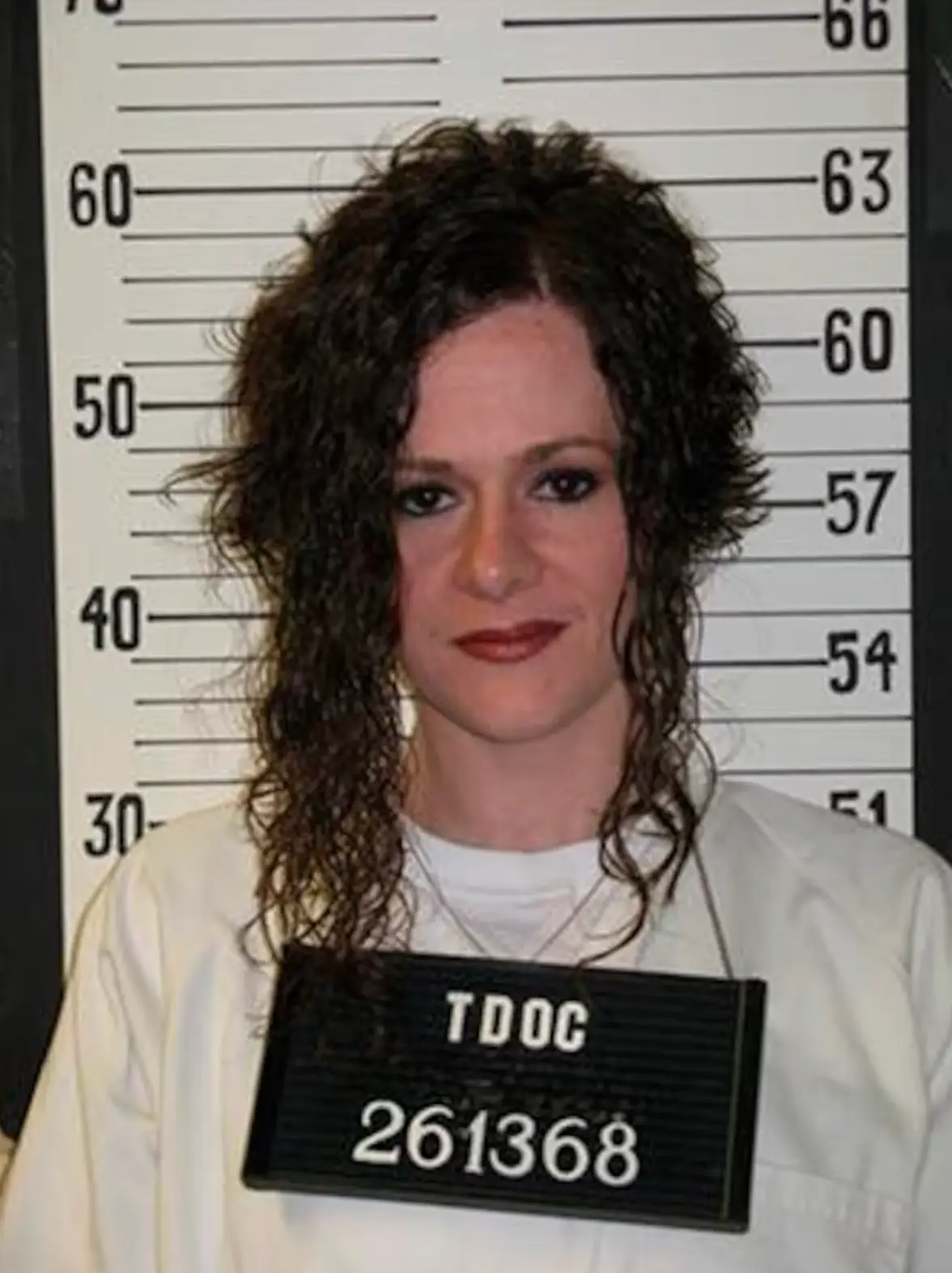
On 23 September, the Tennessee Supreme Court rejected a challenge concerning the state's lethal-injection procedure. Her lawyers have said they will continue seeking relief, including from the US Supreme Court.
Her clemency petition remains another potential route, with Governor Bill Lee holding the authority to commute her sentence.
The Inter-American Commission on Human Rights has also urged the US not to carry out the execution, saying precautionary measures concerning Pike remain in force.
For now, however, the date remains in place.
And while Pike has spoken about her remorse, Colleen Slemmer's family has also made clear that the victim remains at the centre of their thoughts.

Slemmer's mother, May Martinez, has previously spoken about the pain of losing her daughter and her frustration that the victim can become overshadowed by the attention surrounding Pike's case.
"She was a nerd. But a good nerd," Martinez said, remembering her daughter as playful and compassionate, with a love of roller skating, computers and old games.
Martinez is expected to travel for more than eight hours from Florida to Nashville to witness Pike's execution if it goes ahead.
"I'll hold Colleen's picture up to remind her of what she did," she previously said.
Topics: True Crime, Real Life, US News, Crime
 Rhianna Benson