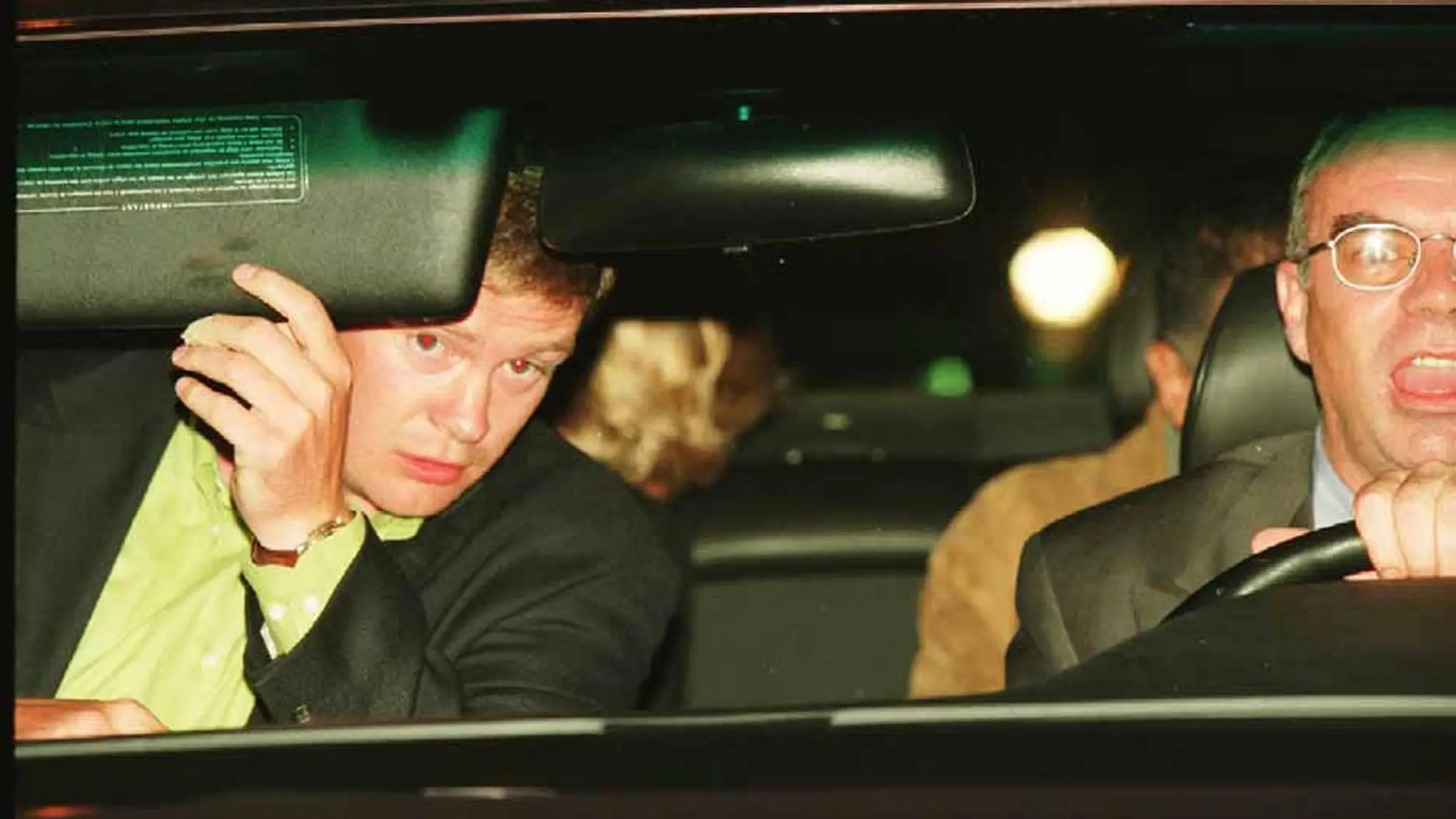
Only survivor of car crash that killed Princess Diana was forced to clarify seatbelt theory from fatal night

Nearly three decades after Princess Diana's death, a revealing interview with the only person to survive the crash that killed her has resurfaced.
In 2000, Trevor Rees-Jones, a former bodyguard, was forced to address claims about whether or not he was wearing a seatbelt during the tragic accident.
The Oswestry, England-born professional spoke to 60 Minutes just two-and-a-half years after Diana's death, attempting to set the record straight following mass speculation regarding his own role in the sequence of events.
Rees-Jones had been working as part of the Fayed family's private security team and was assigned to protect Dodi Fayed, Diana's rumoured love interest at the time. When the two became close, the mother-of-two effectively fell under his team's security protection too.
Advert
On the evening of 30 August 1997, Diana, Dodi and Rees-Jones had dinner at the Ritz Paris before setting off for Dodi's apartment, having changed their plans amid concerns about the paparazzi gathered outside the hotel.
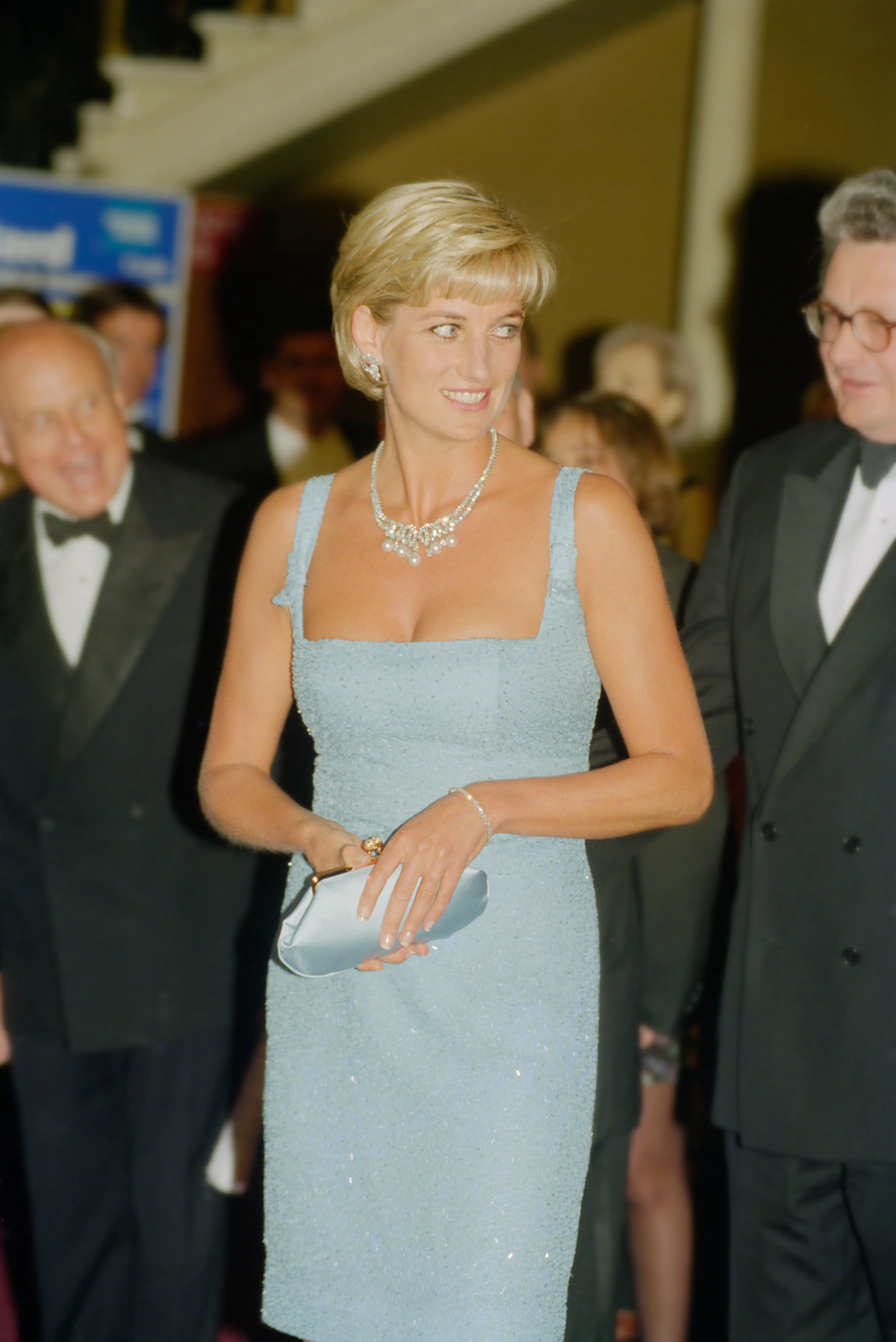
Rees-Jones later recalled that a lack of information from Dodi had made his job particularly difficult, claiming the late businessman did not always tell his security team where he planned to go, leaving them little time to properly prepare.
What happened during the crash?
That night, the plan was changed again, and rather than leaving the Ritz in a convoy, the group departed through the rear entrance in a single Mercedes, with Rees-Jones sitting in the front passenger seat. Almost immediately, photographers on motorcycles began following the car.
Around 15 minutes into the journey, the Mercedes entered the Pont de l'Alma tunnel.
As the driver, Henri Paul, attempted to evade the pursuing paparazzi, the car crashed into a concrete support column at high speed.
Dodi and Paul were killed instantly, while Diana and Rees-Jones were left critically injured.
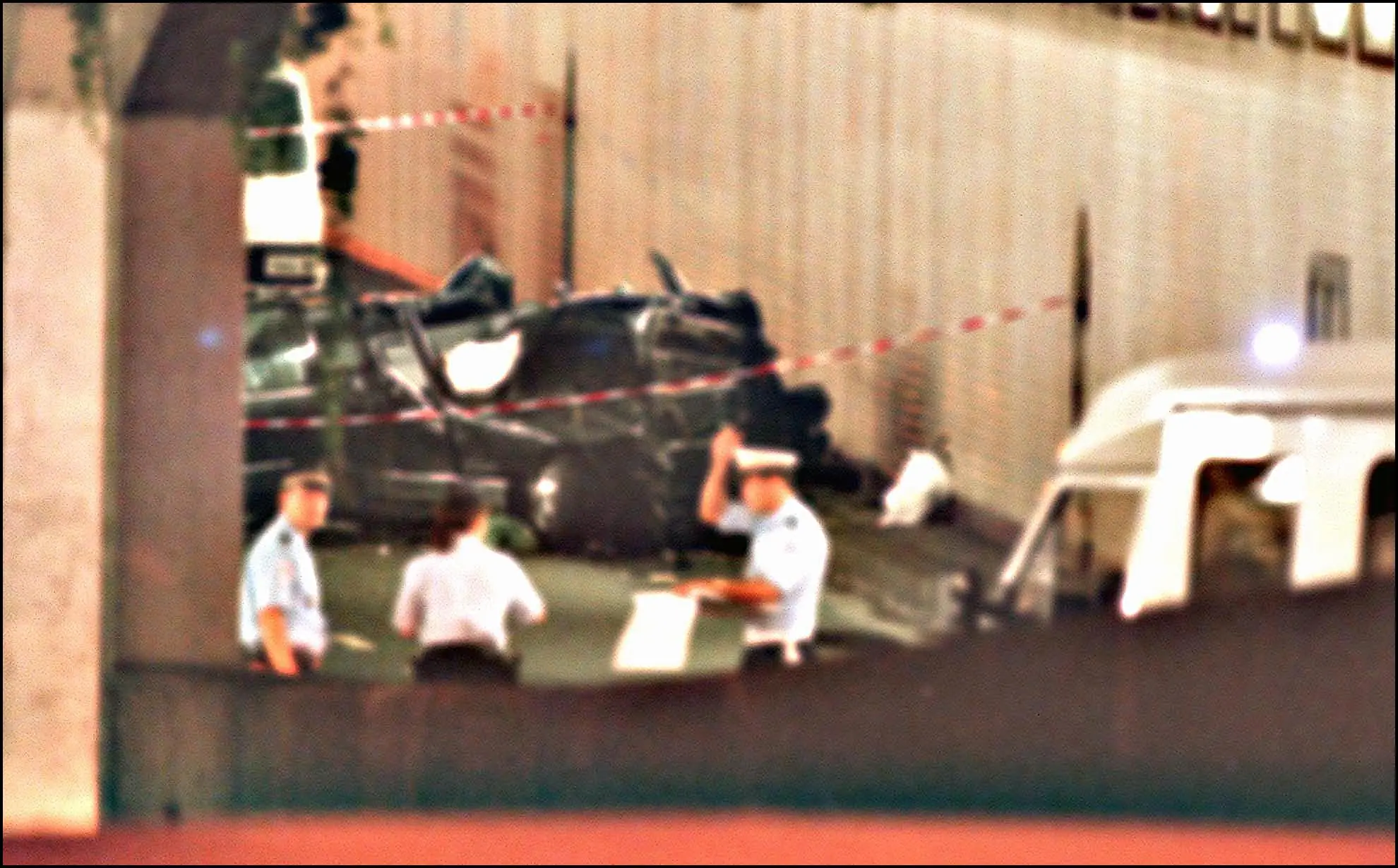
The former was taken to Pitié-Salpêtrière Hospital, where doctors fought to save her life before she was pronounced dead at around 4am the following morning, while the latter suffered suffered catastrophic injuries to his head and chest, and was left fighting for his life.
He also underwent an 11-hour facial reconstruction surgery, whereby over 30 screws and plates were used.
What did Rees-Jones recall about the tragedy?
Surviving the crash did not mean Rees-Jones was able to provide a clear account of everything that happened inside the car, however.
He subsequently told press he had no memory of the journey, which would prove a father controversial claim - especially when Dodi's father, Mohamed Al Fayed, promoted a series of conspiracy theories surrounding the deaths of his son and Diana.
Rees-Jones was among those accused of having failed in his professional duties, with questions also raised over what he knew about the journey and the circumstances leading up to the collision.
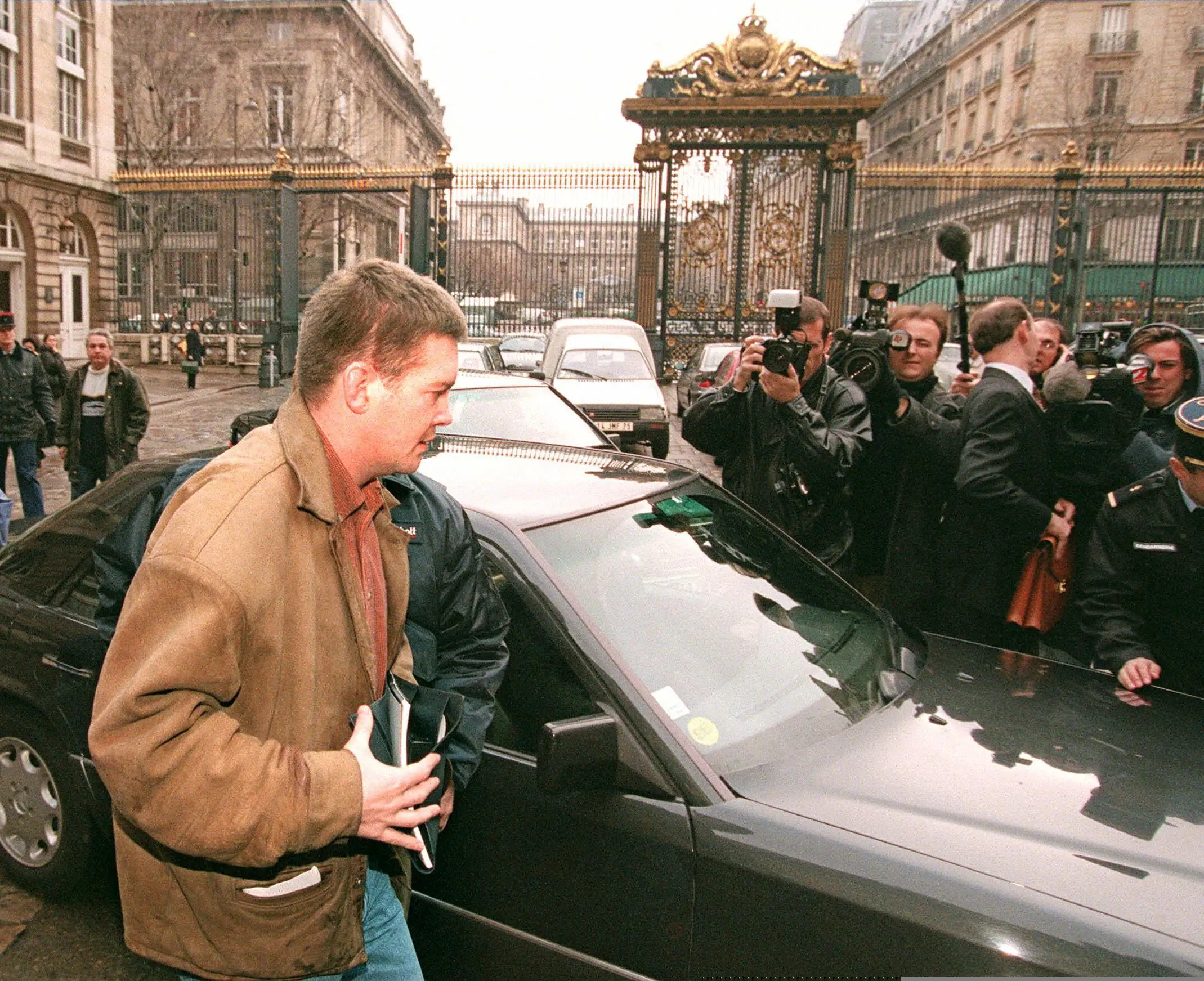
One particularly awkward question centred on the seatbelts.
How about the seatbelts?
An initial report suggested Rees-Jones had been the only person in the car wearing one, which immediately attracted attention, raising questions over whether it would have been professionally responsible for a bodyguard to buckle himself in while the other passengers allegedly were not.
60 Minutes correspondent Mike Wallace put the claim directly to him during their 2000 interview, to which Rees-Jones insisted he simply couldn't recall.
"I don't know. I really don't remember. I don't remember anything about the journey itself," he said.
Wallace then raised the apparent contradiction, pointing out that police reports had suggested everyone in the car was unrestrained and that Rees-Jones' survival may have been down to the airbag.
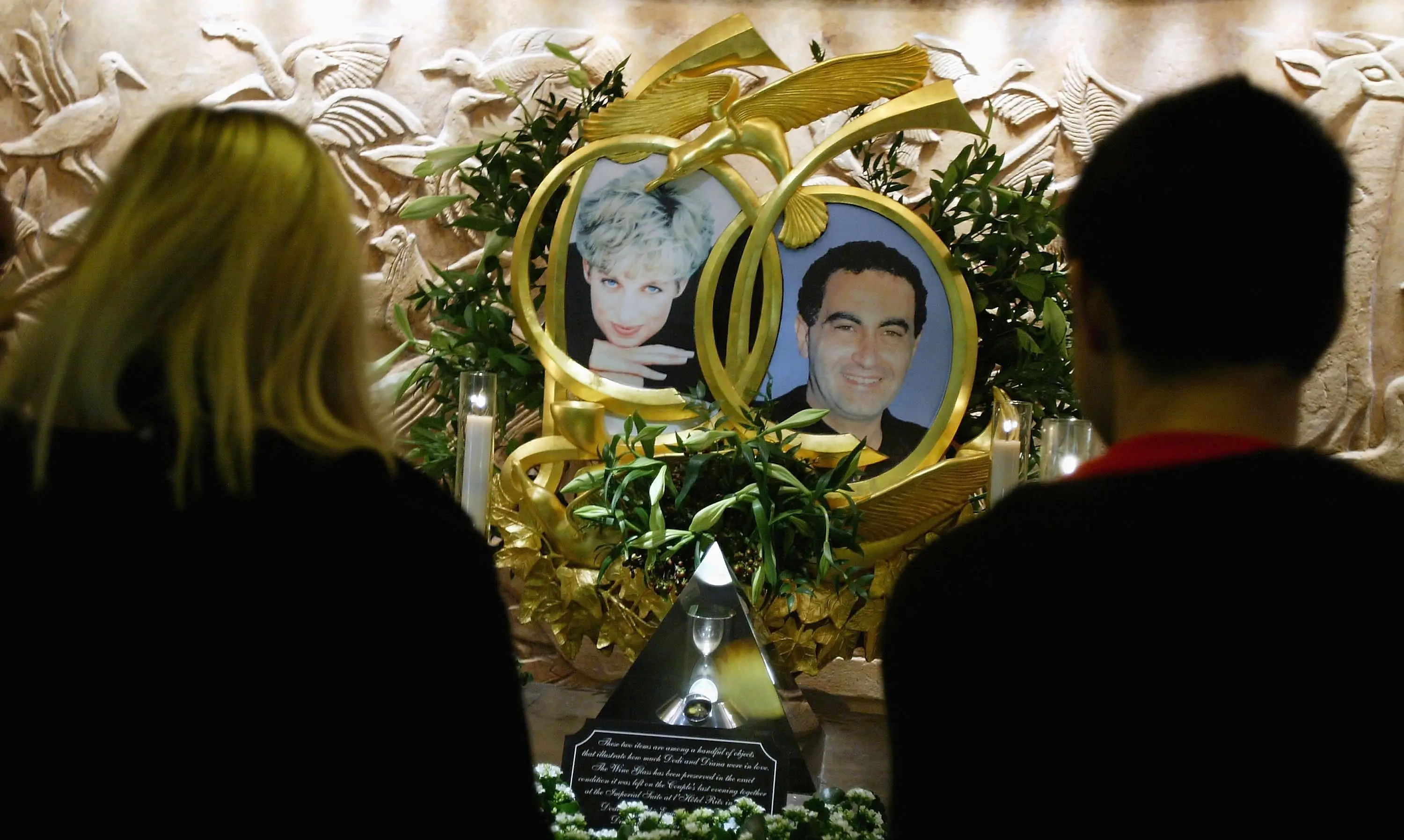
Responding, Rees-Jones claimed these changing reports had forced him to address the issue publicly.
"It was headlines that I was wearing a seat belt and again brought into question various so-called security experts and newspapers saying that it's an unprofessional thing to do," he said.
"Then the report came out that the - that I wasn't wearing a seat belt that proves to other people I haven't made anything up."
Rees Jones added: "If I'd have remembered the journey, I would have remembered I wasn't wearing a seat belt."
The exchange was part of a wider attempt by Rees-Jones to defend himself against accusations surrounding the crash.
He'd already rejected huge sums from tabloids before eventually writing The Bodyguard's Story, saying he wanted to correct what he believed were false claims about his responsibility and that of fellow bodyguard Kez Wingfield.
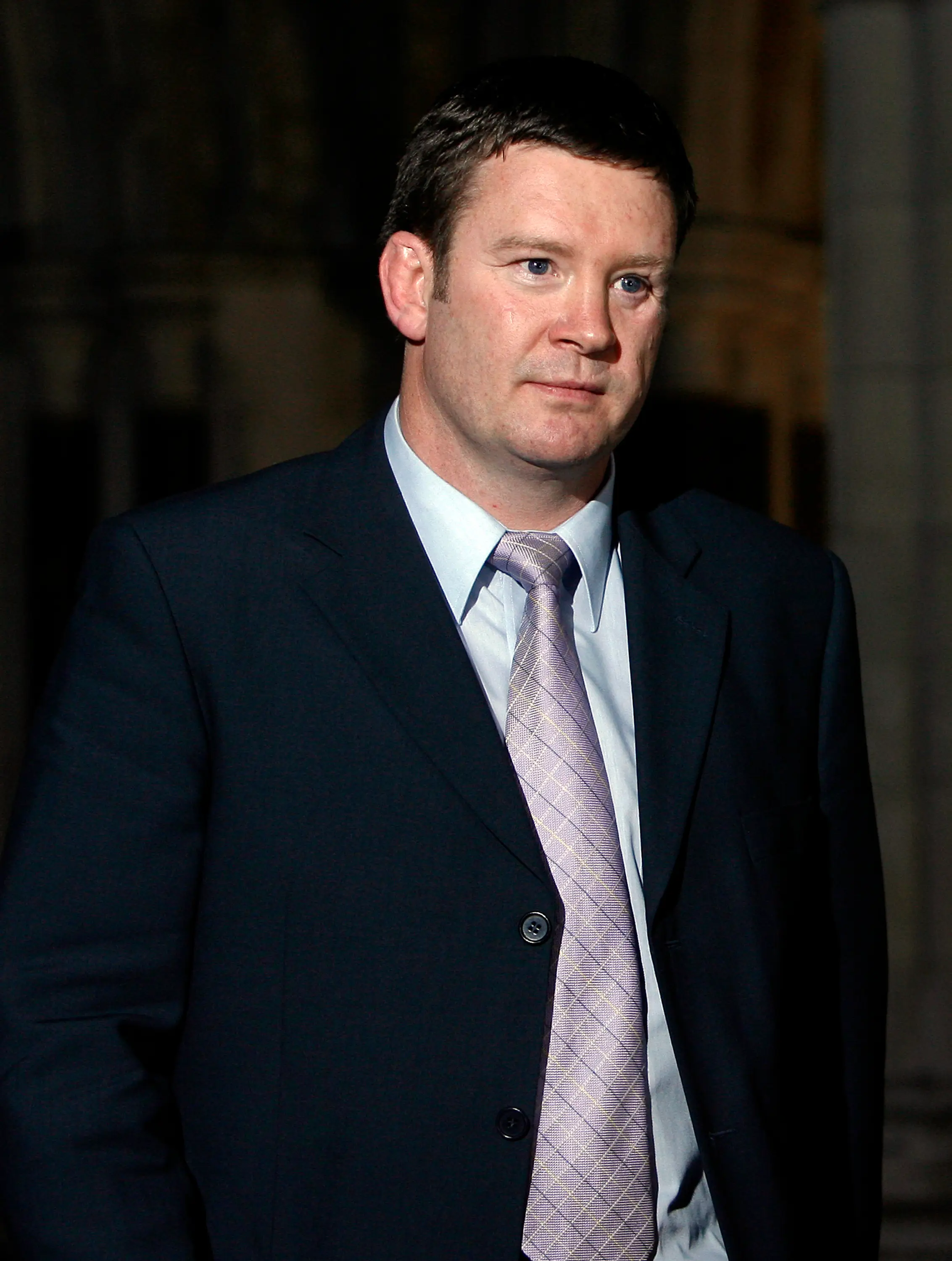
Where is Rees-Jones now?
In the years that followed, Rees-Jones returned to the security profession, but opted to stay away from the spotlight, working for the lines of the United Nations, Halliburton and AstraZeneca, as per The Mail.
An official investigation later rejected the conspiracy theories surrounding the deaths and concluded that the crash was a tragic accident.
After divorcing his first wife, Sue, in 1998, he dropped 'Jones' from his name, going on to marry a schoolteacher named Ann Scott in February 2003.
Topics: Princess Diana, Royal Family, UK News
 Rhianna Benson