How the UK could end up getting pulled into US-Iran conflict

With it being almost a whole week since the conflict in the Middle East began, questions are arising over whether the UK is going to get involved.
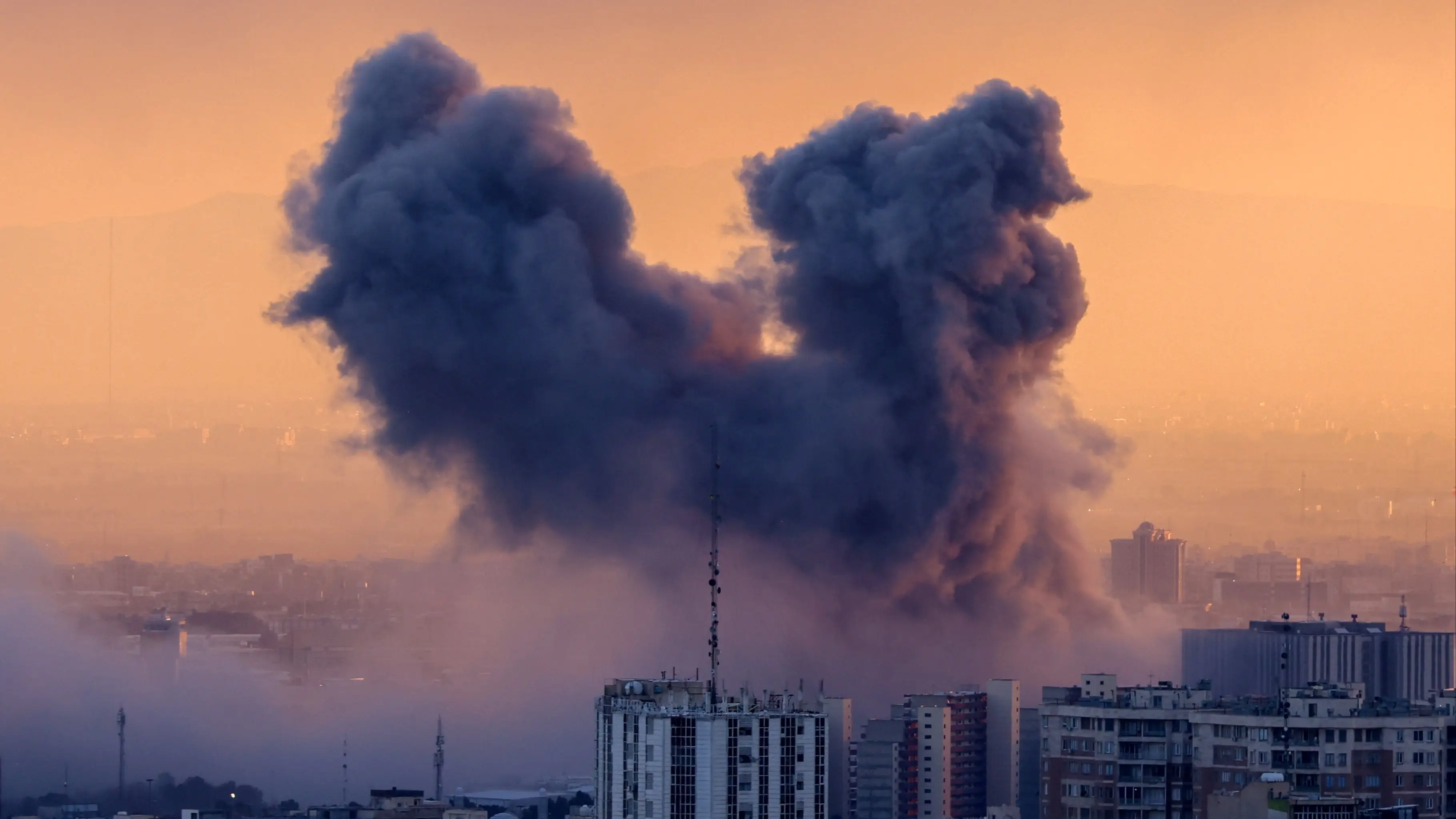
For those who need a reminder, the US and Israel sent airstrikes to Iran on Saturday (28 February), killing the country's Supreme Leader, Ayatollah Ali Khamenei.
Iran then retaliated by launching a series of counter-strikes against Israel, as well as targeting American assets and allies, such as Israel, Bahrain, Kuwait, Qatar, Jordan, and the United Arab Emirates (UAE).
The conflict has since shown no signs of stopping after Israel carried out heavy air strikes on Beirut and started another wave of attacks against infrastructure in Tehran on Friday, while Iran said it targeted the heart of Tel Aviv with missiles, as per Reuters.
Advert
Throughout it all, UK Prime Minister Keir Starmer has made it clear the UK has no plans to get involved, as he denied the US use of British bases to launch offensive strikes; however, he has permitted them to be used for 'defensive actions'.
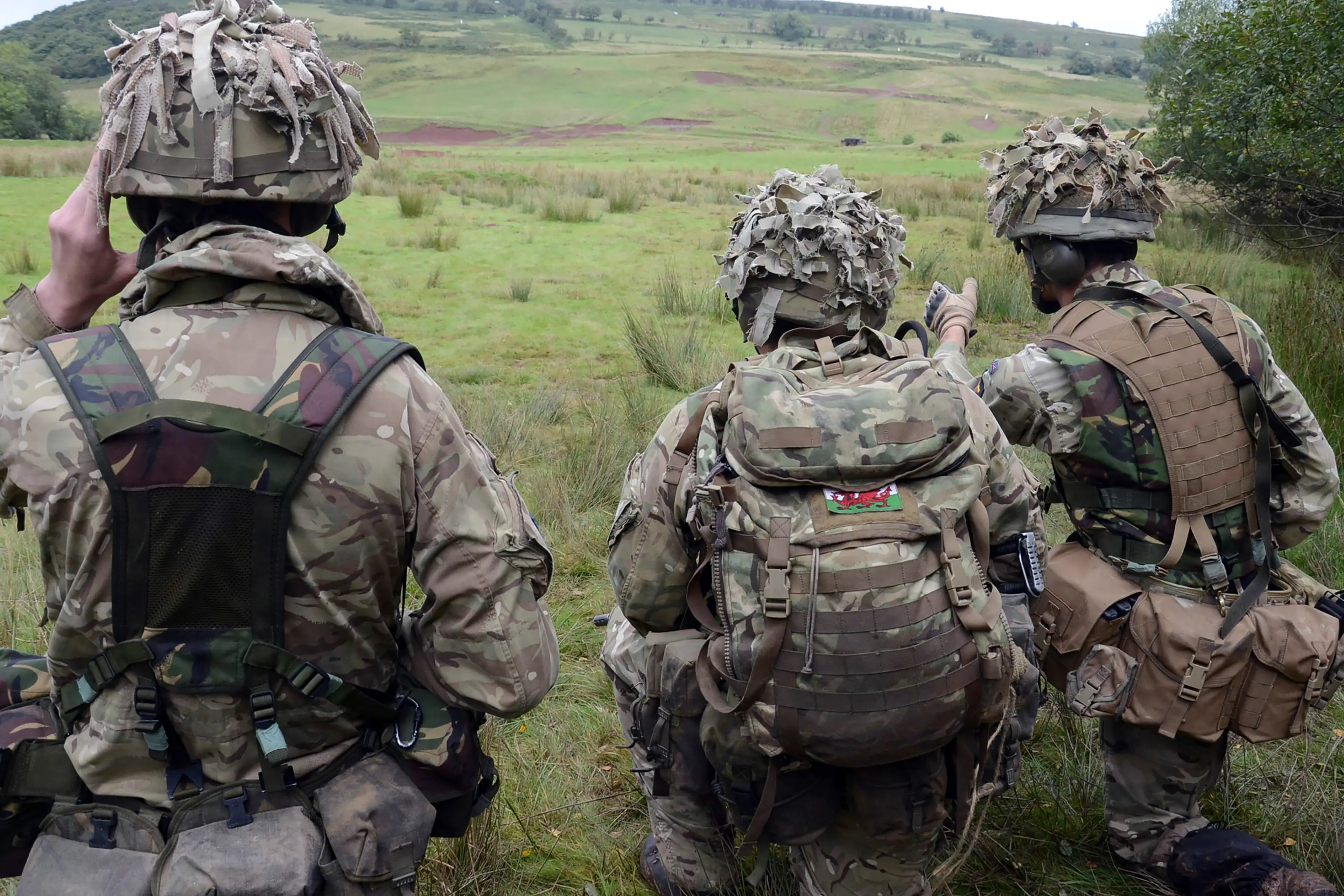
Meanwhile, a drone, which is believed to be Iranian, struck RAF Akrotiri, a British air base in Cyprus, earlier this week. In response, more than 400 extra air defence personnel have been sent to the UK’s bases in Cyprus, as well as two Wildcat helicopters armed with drone-busting missiles, and HMS Dragon, a Type 45 warship. He also confirmed that the UK is sending four additional Typhoon jets to Qatar.
But what exactly would it take for the government to directly get involved in the Middle Eastern conflict?
Metro spoke with Dr. Patrick Bury, a former British Army captain and NATO analyst, who delved into some of the possible situations.
Threat to civilians
As per Sky News, an estimated 300,000 Britons are stranded in affected regions of the Middle East right now.
A significant proportion of these are located in the United Arab Emirates (UAE), where Dubai International Airport was damaged, and a fire broke out at The Palm hotel after debris fell from the sky following an Iranian missile attack.
Thousands of flights have been cancelled, meaning there's a difficulty in getting them home, which the expert thinks could prompt action from the UK government.
Dr Bury said that ‘those people stuck in Dubai who want to leave’ could spark action.

Direct attack on a British base
Secondly, if a British base gets directly assaulted, this could give the UK no choice but to get more involved in the conflict.
Dr. Bury affirmed: "The major risk for the UK is if one of their bases gets attacked, they share a lot of the bases with the Americans over there."
As we say, a drone did hit RAF Akrotiri in Cyprus earlier this week; however, a more direct assault might change things.
The same thing could be said if a British aircraft being used to help with defensive action were to be shot down.
However, that doesn't automatically equal a full-scale war.
"Ultimately, it’s a decision in those scenarios, how much weight you want as a political leader to put on them as a cause for war.
"You can also take casualties and decide it’s still not worth it, or look at the circumstances and go, 'That’s just a shot across the bows that’s gone wrong,' for example," he explained.
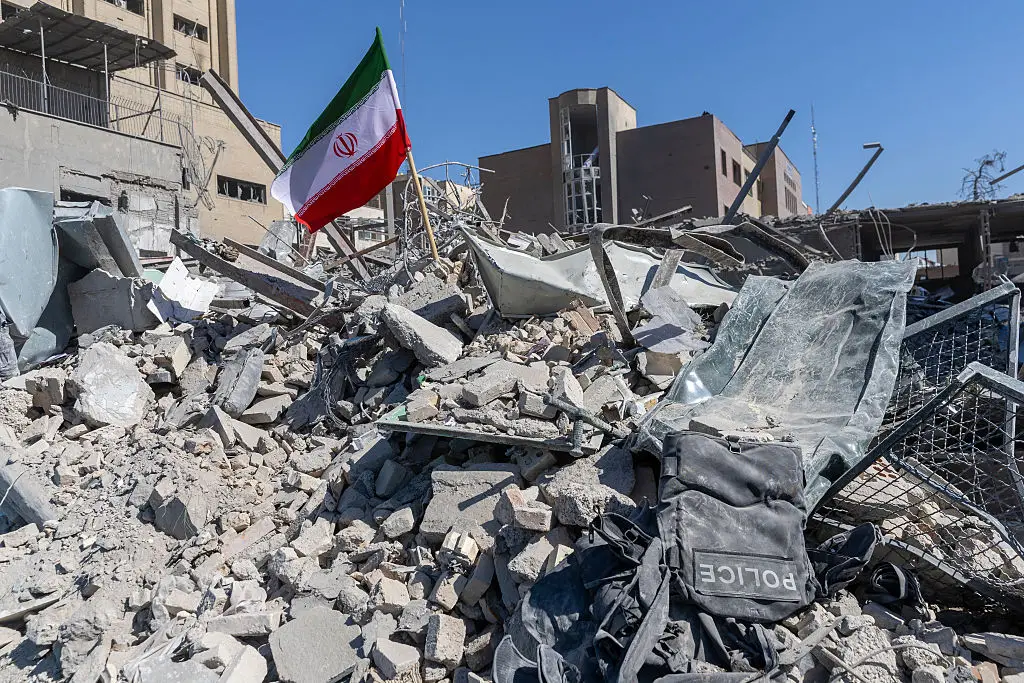 The UK Government may be spurred into action if there's a direct attack on a British base (Majid Saeedi/Getty Images)
UK or NATO casualties
Dr Bury told Metro: "The biggest risk is if there’s some UK casualties, and what does that do to the public appetite and the political decision-making?"
And the same could also apply to NATO more broadly.
If a member country came under attack, they could call for Article 5 to be invoked, which specifies that an attack on one of its members is an attack on all of them.
It obliges allies to take action they deem necessary to assist the country under attack, including potentially the use of military force
US and Israel running out of ammunition
Finally, the expert suggested that the 'most likely' cause for a full-scale war would have been if the US and Israel began running out of ammunition early in the conflict and asked NATO for help.
For example, if they said, "We’re going to lose this unless you get stuck in."
However, the expert clarified: "I don’t think we’re there."
Topics: Keir Starmer, Iran, Israel, UK News, World News, US News, Politics
 Madison Burgess