tyla homepage
  • News
  • Life
  • TV & Film
  • Beauty
  • Style
  • Home
  • News
    • Celebrity
    • Entertainment
    • Politics
    • Royal Family
  • Life
    • Animals
    • Food & Drink
    • Women's Health
    • Mental Health
    • Sex & Relationships
    • Travel
    • Real Life
  • TV & Film
    • True Crime
    • Documentaries
    • Netflix
    • BBC
    • ITV
    • Tyla Recommends
  • Beauty
    • Hair
    • Make-up
    • Skincare
  • Style
    • Home
    • Fashion
    • Shopping
  • Advertise
  • Terms
  • Privacy & Cookies
  • LADbible Group
  • LADbible
  • UNILAD
  • SPORTbible
  • GAMINGbible
  • UNILAD Tech
  • FOODbible
  • License Our Content
  • About Us & Contact
  • Jobs
  • Latest
  • Topics A-Z
  • Authors
Facebook
Instagram
X
Threads
TikTok
Submit Your Content
How to watch 'most beautiful' meteor shower as it peaks across the skies tonight

Home> News

Published 17:13 21 Oct 2024 GMT+1

How to watch 'most beautiful' meteor shower as it peaks across the skies tonight

The astrological phenomenon will be at its maximum visibility tonight and tomorrow (21 and 22 October)

Rhianna Benson

Rhianna Benson

google discoverFollow us on Google Discover
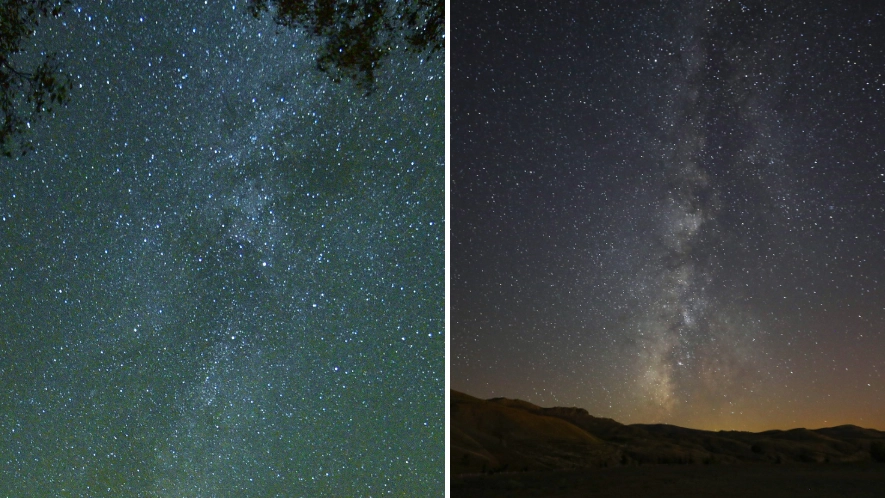
Featured Image Credit: Xue Bing/VCG via Getty Images/Ismail Sen/Anadolu via Getty Images

Topics: Space, Weather, World News, News, UK News, US News

Rhianna Benson
Rhianna Benson

Rhianna is an Entertainment Journalist at LADbible Group, working across LADbible, UNILAD and Tyla. She has a Masters in News Journalism from the University of Salford and a Masters in Ancient History from the University of Edinburgh. She previously worked as a Celebrity Reporter for OK! and New Magazines, and as a TV Writer for Reach PLC.

X

@rhiannaBjourno

Advert

Advert

Advert

Just days after our social media feeds were flooded with awe-inspiring snaps of the Northern Lights, space experts are warning earth-dwellers about another new astrological phenomenon that is set to arrive tonight.

In fact, they say this particularly mesmerising spectacle - known as an 'Orionids meteor shower' - is much rarer than last week's vibrant light show, and has issued advice as to where onlookers will want to set up their cameras.

What is an Orionids meteor shower?

If you're anything like me and flunked science at school, worry not - we're here to fill you in on all the need-to-knows when it comes to this exciting cosmological event.

First things first; 'Orionids' describes the types of meteor showers that have come from Comet 1P, othewise known as Halley's Comet.

Advert

They're essentially fragments of rocks that have broken off outside of our atmosphere which leave a path of tiny debris.

The comet only gets close to earth once every 75-75 years, but when this happens, we get to witness an annual falling of these fragments.

When the debris enters earth's atmosphere at 41 miles per second, they are vaporised into even smaller pieces, creating streaks of light through the air.
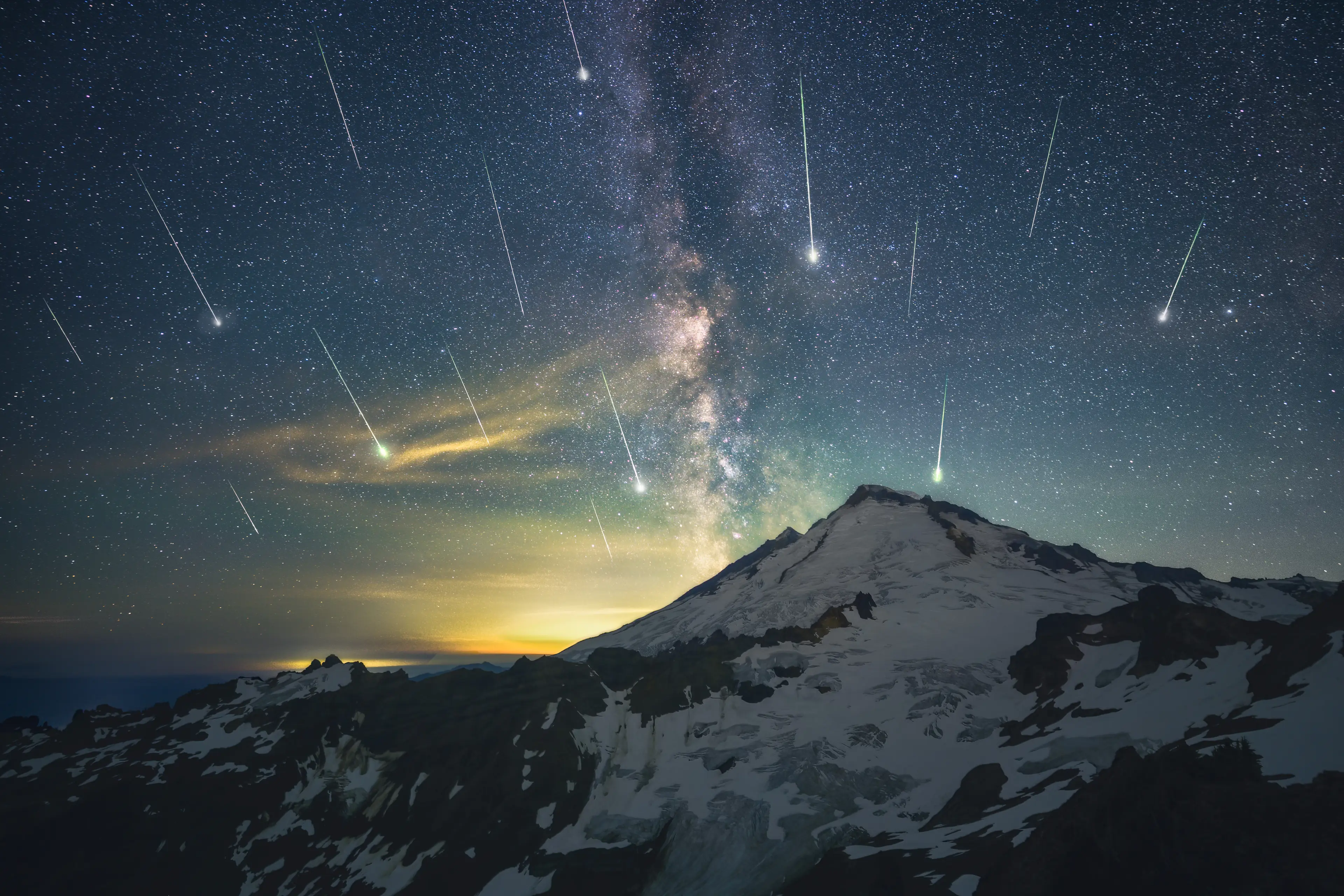
The meteor shower will be visible this week (Liang Li/Getty)

What do experts say it'll look like?

According to astrologers, these falling meteors - which, FYI, don't actually pose any threat to life - are far from your average shooting star.

"They're known to be some of the most beautiful," experts using the Museum of Science's official TikTok account explained this week.

"Leaving trails in the sky that last from several seconds to minutes."

They added that, for the most part, there will be a total of 10-20 meteors visible to the naked eye per hour - only under the right conditions, however.

A fraction of these streams of light will likely form in the shape of balls of fire, which are known for their bright and bold colours.

Yet, being that some of the smaller meteors will likely be drowned out by the gibbous moon we're currently experiencing (a phase of the moon when it appears bigger than a half-crescent, but not fully circular), experts say it's vital to get to dark skies, away from city lights, in order to see them.
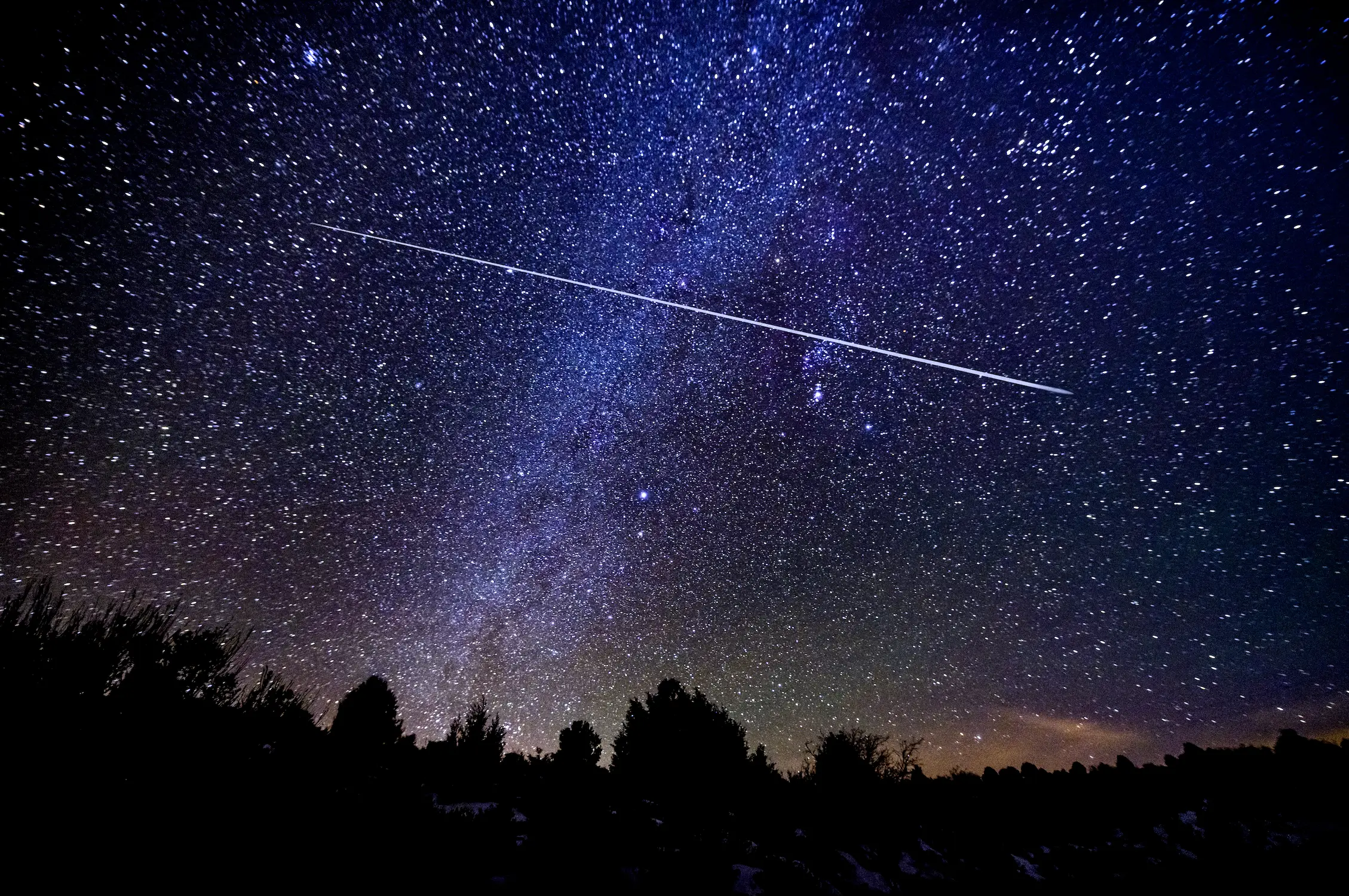
The shower is an annual event (Adventure_Photo/Getty)

When it is happening?

As we say, the Orionids meteor shower happens yearly, but this year's extravaganza actually kicked off last night (20 October).

Experts predict, however, that the light show will be more visible between 21 and 22 October, and that it could even last as long until 7 November.

How can you watch?

Experts insist that these asteroids could light up the night skies of witnesses all over the world, are certainly aren't limited to a particular area.

As we say, however, it's super important for those hoping to catch a glimpse at the meteors to retreat to countryside areas - as far away from city light pollution as possible.

"Arrive after midnight," Museum of Science bosses explain. "Give your eyes at least 30 minutes to adjust to the dark.

"Then, look anywhere in the sky."

Choose your content:

2 days ago
  • Getty Stock Image
    2 days ago

    Truth behind viral video of seven dogs ‘escaping captor’ as owner speaks out

    Reports circulated that a brave Corgi was leading the group, which included an injured German Shepherd

    News
  • Chris Jackson/Chris Jackson/Getty Images
    2 days ago

    Meghan Markle's Suits role was 'too much' for Royal Family, co-star's wife claims

    Meghan Markle played paralegal Rachel Zane in the USA Network legal drama - the love interest of Patrick J. Adams' main character, Mike Ross

    News
  • Getty Stock Photo
    2 days ago

    Irish woman wins lawsuit against boss who repeatedly called her ‘potato’

    Bernadette was subjected to 'offensive and humiliating' phrases at work

    News
  • Getty Stock Images
    2 days ago

    There’s an unusual syndrome that makes people feel pregnant when their partners are

    Scientists think that couvade syndrome could be linked to the emotions surrounding pregnancy

    News
  • How Hurricane Melissa got its name after people left seriously confused by it
  • Three star signs that are most affected by last night's meteor shower
  • Trump threatens NATO's future if allies don't help secure the Strait of Hormuz
  • 16-year-old camp survivor recalls heartbreaking precaution she had to take as devastating floods hit