• News
  • Life
  • TV & Film
  • Beauty
  • Style
  • Home
  • News
    • Celebrity
    • Entertainment
    • Politics
    • Royal Family
  • Life
    • Animals
    • Food & Drink
    • Women's Health
    • Mental Health
    • Sex & Relationships
    • Travel
    • Real Life
  • TV & Film
    • True Crime
    • Documentaries
    • Netflix
    • BBC
    • ITV
    • Tyla Recommends
  • Beauty
    • Hair
    • Make-up
    • Skincare
  • Style
    • Home
    • Fashion
    • Shopping
  • Advertise
  • Terms
  • Privacy & Cookies
  • LADbible Group
  • LADbible
  • UNILAD
  • SPORTbible
  • GAMINGbible
  • UNILAD Tech
  • FOODbible
  • License Our Content
  • About Us & Contact
  • Jobs
  • Latest
  • Topics A-Z
  • Authors
Facebook
Instagram
X
Threads
TikTok
Submit Your Content
Scientists make extremely worrying discovery after studying tampons and the consequences could be fatal

Home> News

Published 10:16 10 Jul 2024 GMT+1

Scientists make extremely worrying discovery after studying tampons and the consequences could be fatal

The US investigation found that between 52 and 86 per cent of women use tampons whilst menstruating

Rhianna Benson

Rhianna Benson

Featured Image Credit: Getty Stock Images

Topics: Science, Health, World News

Rhianna Benson
Rhianna Benson

Rhianna is an Entertainment Journalist at LADbible Group, working across LADbible, UNILAD and Tyla. She has a Masters in News Journalism from the University of Salford and a Masters in Ancient History from the University of Edinburgh. She previously worked as a Celebrity Reporter for OK! and New Magazines, and as a TV Writer for Reach PLC.

X

@rhiannaBjourno

Advert

Advert

Advert

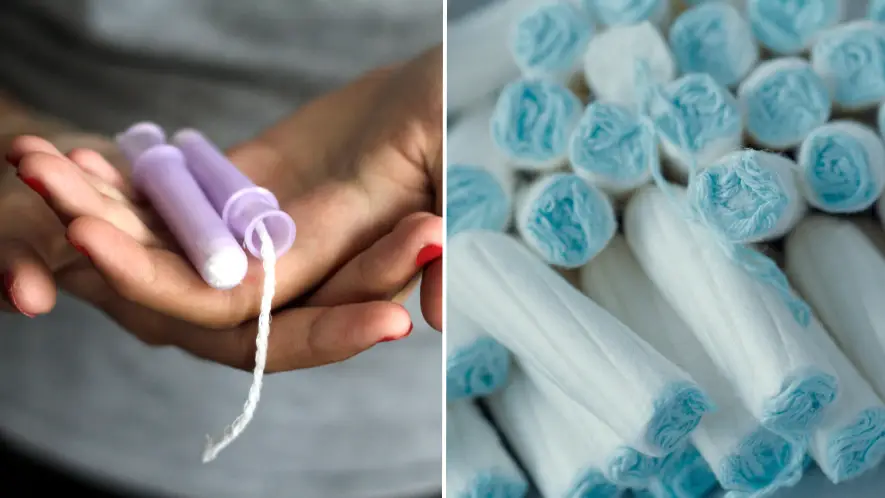
An alarming new study has determined that numerous toxic - and potentially fatal - chemicals have been found inside women's tampons.

According to researchers at the University of California, who examined a batch of 30 tampons from 14 different brands, a total of 16 metals were detected inside the women's hygiene products.
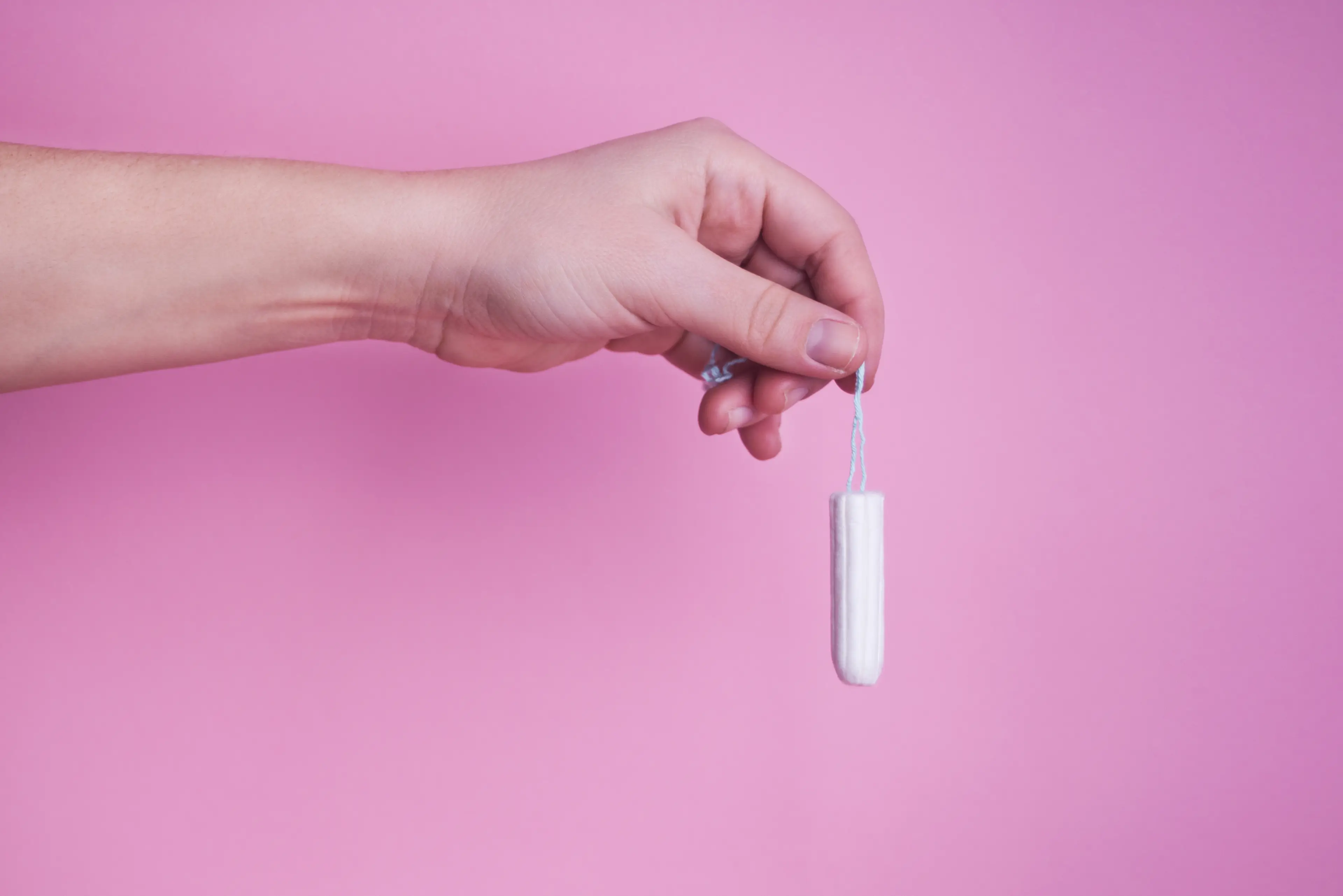
Between 52 and 86 per cent of women use tampons when on the periods. (Emilija Manevska/Getty)

And being that between 52 and 86 per cent of women studied as part of the investigation claimed they used tampons regularly whilst menstruating, the research has instigated great concern in the health community.

Advert

Amongst the numerous and extremely dangerous toxins located inside the products were arsenic, lead, mercury, nickel, copper, and iron.

Levels of each mental varied between each brand, which either derived from the US, the UK, or Europe.

Whether or not the products claimed to be organic, or whether they were sold at branded or supermarket lines also had an influence on the traces of metals detected.

Tampons that advertised themselves as 'organic' were found to have a higher level of arsenic compared to others.

Advert

When it comes to the impacts of these metals for women, it is understood that contamination can be deadly when put into contact with the vagina, being that this area of the body can absorb them more efficiently.
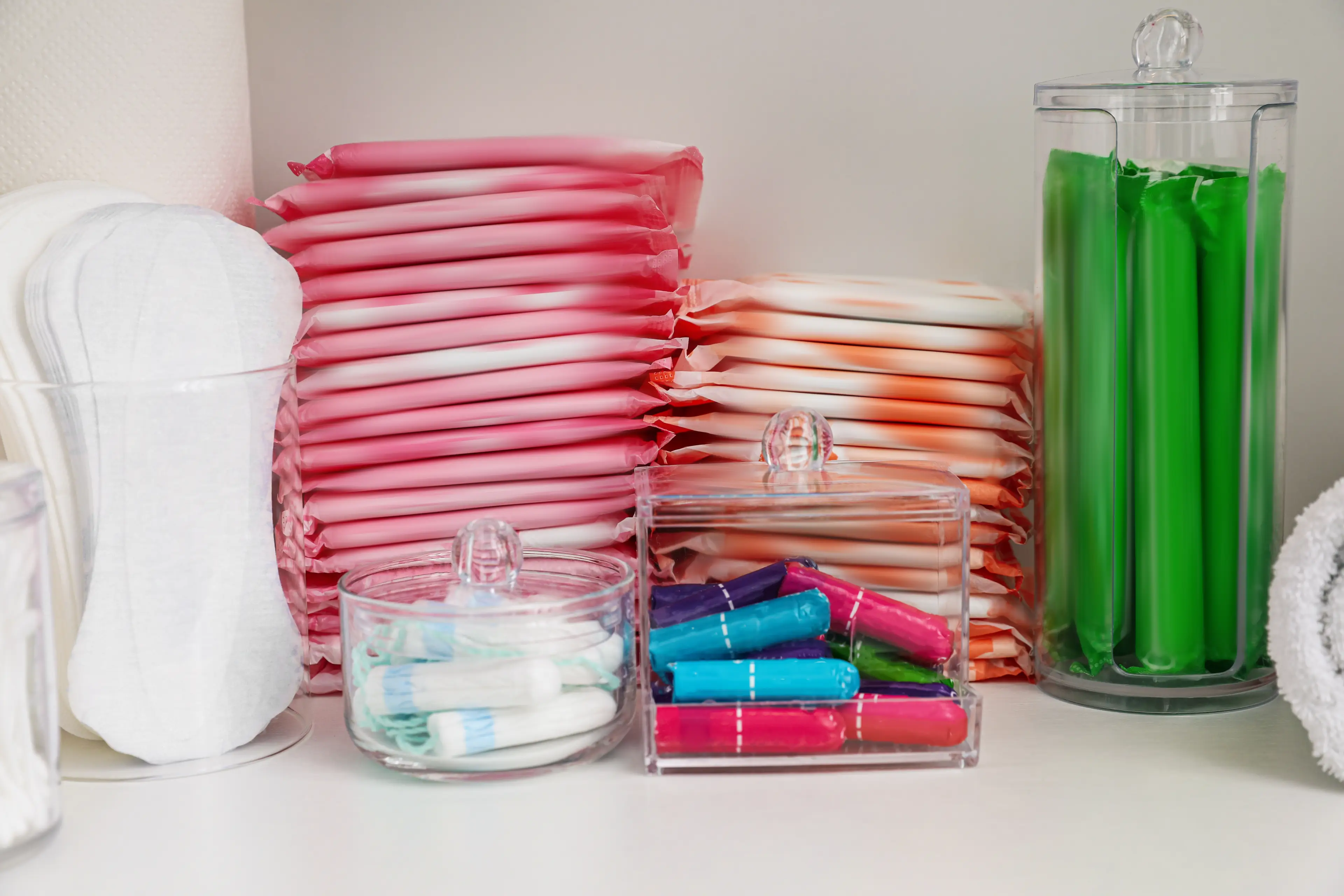
Absorption of these metals has been found to result in several health ailments. (Liudmila Chernetska/Getty)

Metal absorption has been found to increase the risk of dementia, as well as several types of cancer, in both men and women.

These toxins can also lead to issues surrounding the liver, kidneys and brain, and are therefore linked to diabetes.

Advert

Intake of these dangerous chemicals can also result in damage to the cardiovascular, nervous and endocrine systems.

And arguably more heartbreaking, is that metal intake can lead to both infertility, as well as harm to unborn babies.

"Despite this large potential for public health concern, very little research has been done to measure chemicals in tampons," lead author of the study, Jenni Shearton told press.

"To our knowledge, this is the first paper to measure metals in tampons. Concerningly, we found concentrations of all metals we tested for, including toxic metals like arsenic and lead."

Advert

The tampons are believed to be contaminated in several different ways. (Science Photo Library/Getty)

When it comes to how these tampons become laced the various metals, it can occur through contamination with water, air or soil, or through manufacturers intentionally adding it.

"I really hope that manufacturers are required to test their products for metals, especially for toxic metals," Shearston said of the investigation.

"It would be exciting to see the public call for this, or to ask for better labelling on tampons and other menstrual products."

Choose your content:

9 hours ago
11 hours ago
13 hours ago
  • KOLA SULAIMON/Contributor/via Getty
    9 hours ago

    Meghan Markle could be about to return to UK for first time in four years

    The Duchess of Sussex last visited her husband's home-country in 2022 for the funeral of the late Queen Elizabeth

    News
  • Tasos Katopodis/Getty Images
    11 hours ago

    What would happen if Trump invades Greenland with military force

    Donald Trump previously admitted he wouldn't rule out using force to take control of the area

    News
  • SAUL LOEB / AFP via Getty Images
    11 hours ago

    Donald Trump appears to make Marco Rubio uncomfortable after reading private note out loud

    The awkward moment happened during a televised press conference on Friday (9 January)

    News
  • BBC
    13 hours ago

    'Disease X' explained as doctor breaks down 'terrifying' term

    Dr Oscar Duke appeared on BBC's Morning Live to discuss the notion of a future pandemic

    News
  • New study finds worrying link between grey hair and cancer
  • Scientists’ worrying Alzheimer’s discovery is being called a ‘sober warning’ for anyone without dental insurance
  • Scientists finally reveal hidden truth behind Hitler’s 'micropenis'
  • Why the size of your neck could predict very worrying health issue