tyla homepage
tyla homepage
  • News
    • Politics
    • Entertainment
    • Celebrity
  • Entertainment
    • Celebrity
  • Life
    • Animals
    • Food & Drink
    • Women's Health
    • Mental Health
    • Sex & Relationships
    • Travel
    • Real Life
  • TV & Film
    • True Crime
    • Tyla Recommends
  • Astrology
  • Beauty
    • Hair
    • Make-up
    • Skincare
  • Style
    • Home
  • Advertise
  • Terms
  • Privacy & Cookies
  • LADbible Group
  • LADbible
  • UNILAD
  • SPORTbible
  • GAMINGbible
  • UNILAD Tech
  • FOODbible
  • License Our Content
  • About Us & Contact
  • Jobs
  • Latest
  • Archive
  • Topics A-Z
  • Authors
Facebook
Instagram
X
Threads
TikTok
Submit Your Content
GP answers five common questions about cervical cancer
Home>News
Updated 17:17 22 Jan 2024 GMTPublished 16:40 22 Jan 2024 GMT

GP answers five common questions about cervical cancer

A GP has answered five common questions about cervical cancer screening and prevention

Rhiannon Ingle

Rhiannon Ingle

google discoverFollow us on Google Discover
Featured Image Credit: Science Photo Library/Dougal Waters/Getty Images

Topics: Health, Life, News, UK News, NHS, Sex and Relationships

Rhiannon Ingle
Rhiannon Ingle

Rhiannon Ingle is a Senior Journalist at Tyla, specialising in TV, film, travel, and culture. A graduate of the University of Manchester with a degree in English Literature, she honed her editorial skills as the Lifestyle Editor of The Mancunian, the UK’s largest student newspaper. With a keen eye for storytelling, Rhiannon brings fresh perspectives to her writing, blending critical insight with an engaging style. Her work captures the intersection of entertainment and real-world experiences.

Advert

Advert

Advert

Every single day in the UK, two women lose their lives to cervical cancer and nine more receive a life-changing diagnosis.

Cervical Cancer Prevention Week has just started today (22 January) and, to kick the week off, one health expert has answered five common questions about cervical cancer screening and prevention.

Dr Radhika Vohra, GP at Spire Gatwick Park Hospital has opened up about the signs of cervical cancer, the importance of smear tests and explained a little more about the HPV vaccine.
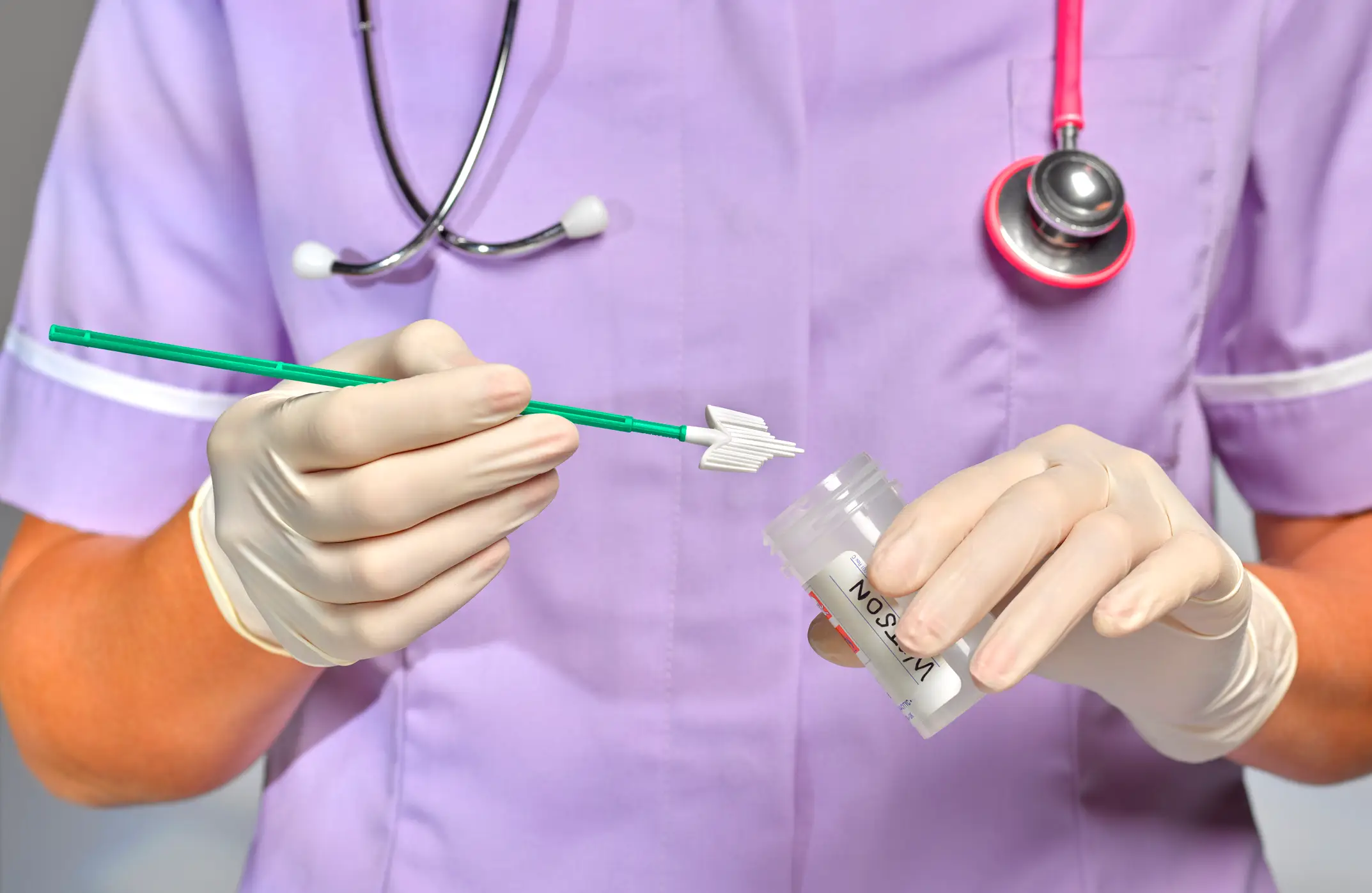
A GP has answered five common questions about cervical cancer screening and prevention.
Peter Dazeley / Getty Images

What are the signs of cervical cancer?

Dr Vohra explains that the common signs of cervical cancer are heavier periods, changes in your vaginal discharge and unusual vaginal bleeding, such as bleeding in between your periods, during or after sex, or after menopause.

Advert

She also notes that other common symptoms include pain during sex and pain in your pelvic, lower back and/or abdominal areas.

Can I have sex before a smear test?

The GP advises totally avoiding vaginal sex for 24 hours before your smear test.

"This is because sex can affect the cells that line your cervix (opening of your womb), which are collected during your test. This may interfere with your smear test results," says Dr Vohra.

Having a smear test saves around 5,000 lives each year.
Dougal Waters / Getty Images

What does a smear test show?

In the UK, it's free to have a smear test if you are a woman aged between 25 and 64, and according to Cancer Research UK, having a smear test saves around 5,000 lives each year.

Now, a smear test - which is also known as cervical screening - is used to help prevent cervical cancer by checking the health of your cervix (the entrance to your womb).

It checks whether your cervix is infected with HPV to screen for changes early.

If HPV is detected, the cells collected during your test will be examined under a microscope to check for any unusual changes in their appearance, the doctor notes.

If abnormal changes are detected, further investigation will be recommended as you may need treatment to remove these cells.
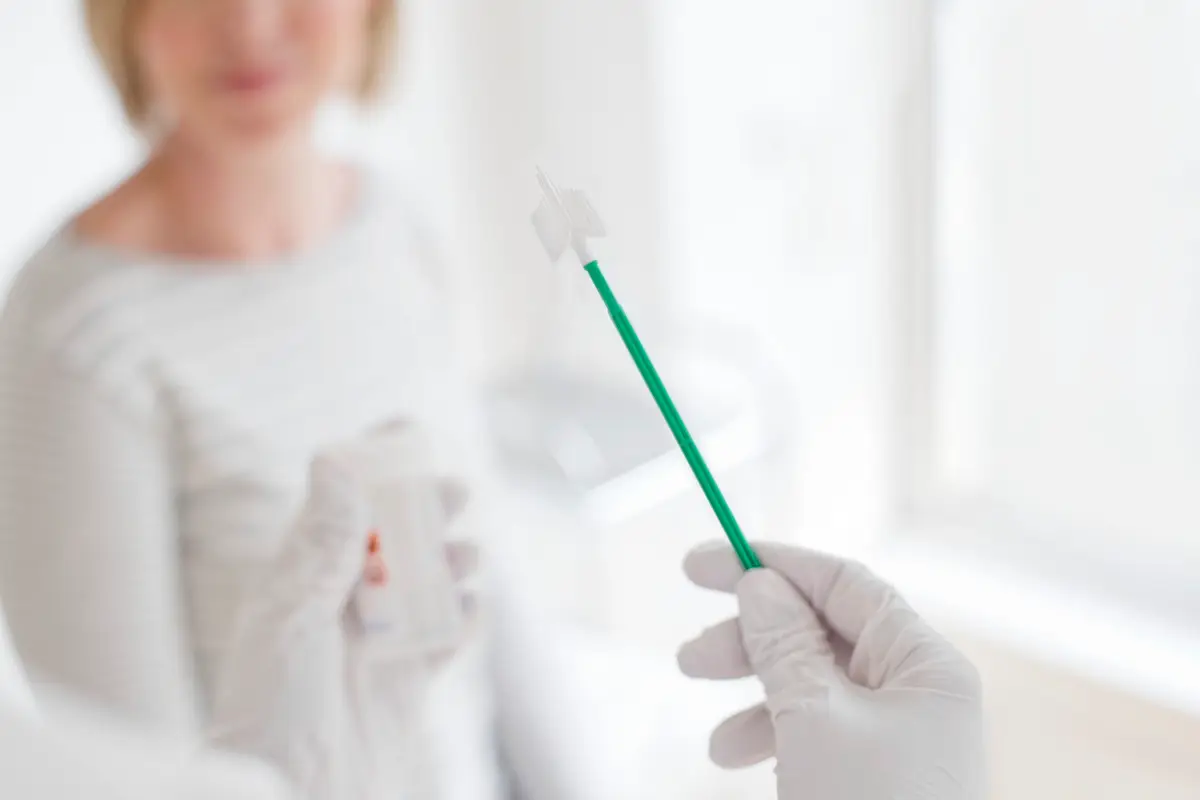
A smear test is used to help prevent cervical cancer by checking the health of your cervix.
Science Photo Library / Getty Images

What are the main HPV symptoms?

In the majority of cases, Dr Vohra explains, HPV doesn’t cause any symptoms, so you may be infected but not realise it. However, sometimes HPV can cause genital warts which are small, non-cancerous lumps in or around your vagina, penis and/or anus.

Although usually painless, genital warts can become irritated and inflamed, resulting in soreness.

HPV can also cause cancer, so it's super important to attend your smear test.

Why should I have the HPV vaccine?

The HPV vaccine protects you against specific types of cancer, which are caused by infection with HPV.

Dr Vohra explains that this includes certain types of mouth, throat, anal and genital cancers, and in women, cervical cancer.

The HPV vaccine also protects you against genital warts.

You can find out more information about cervical cancer on the NHS website here.

If you’ve been affected by any of these issues and want to speak to someone in confidence, contact Macmillan’s Cancer Support Line on 0808 808 00 00, 8am–8pm seven days a week

Choose your content:

a day ago
  • Evelyn Hockstein - Pool/Getty Images
    a day ago

    Trump allegedly insists on 'unhygienic' bathroom design, according to White House reporters

    White House reporters Maggie Haberman and Jonathan Swan have made a number of claims about the presidential residence in their new book

    News
  • YouTube/@ParastooAhmadii
    a day ago

    Iranian musician reportedly sentenced to 74 lashes for singing without hijab

    Iranian singer Parastoo Ahmadi has become the latest figure to face punishment under strict laws

    News
  • Getty Stock Images
    a day ago

    Urgent warning to anyone taking certain common medications ahead of weekend heatwave

    Doctors say certain prescriptions could create a ‘perfect storm’ during rising temperatures

    News
  • X/@SarahForRuncorn
    a day ago

    Reform MP slammed over 'irresponsible' claim England must ‘keep winning’ at World Cup to stop domestic abuse

    Sarah Pochin has been called out online by a number of women's charities following her shocking comments

    News
  • Anal surgeon reveals unexpectedly common issue that can make pooing painful
  • Criminal psychologist answers most common question everyone has about murderers
  • Prostatic calculi explained as common 'down there' issue can cause stinging semen
  • STI unknown to most people is nearly as common as chlamydia