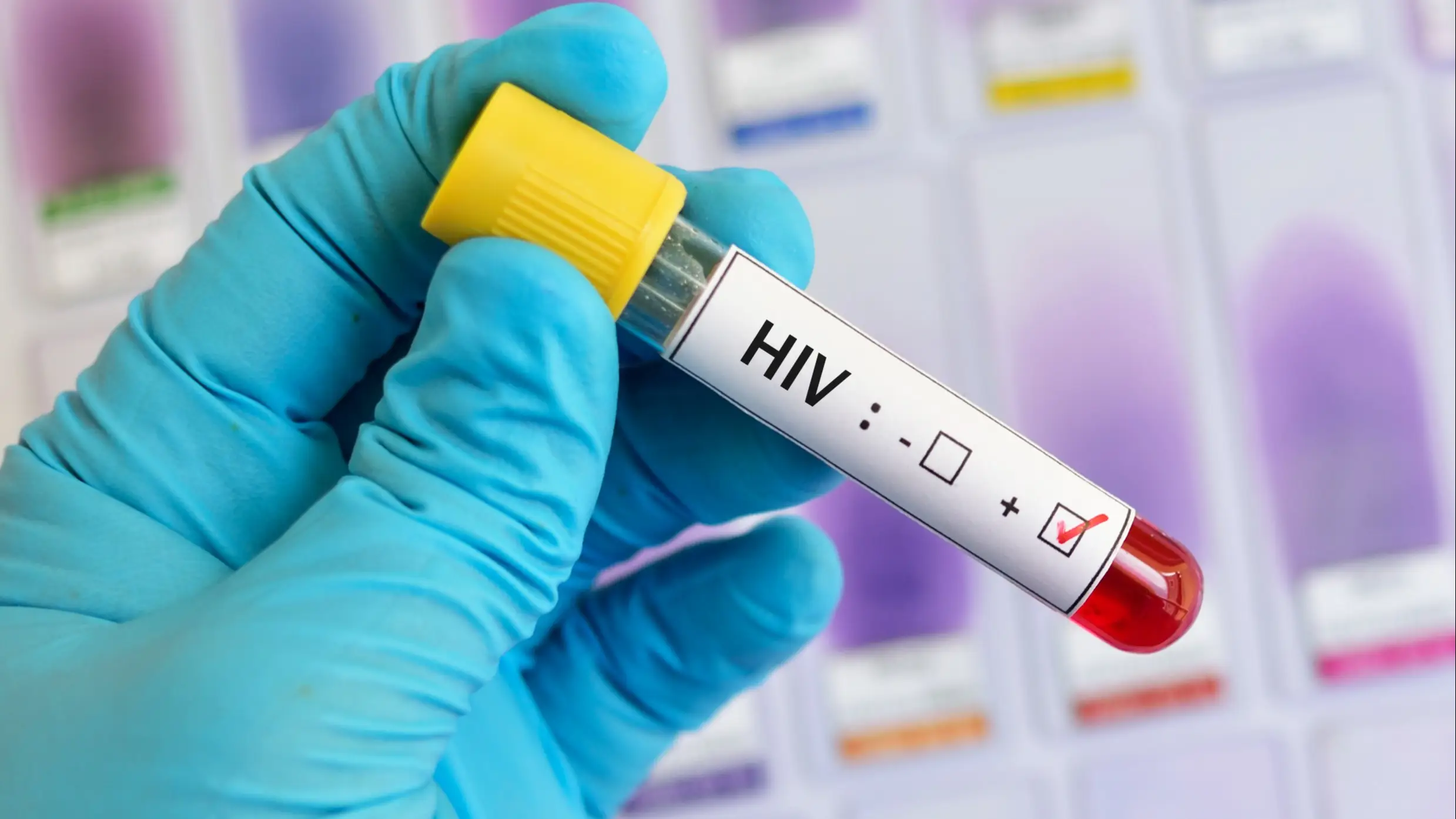
'Bluetoothing' explained as blood-sharing trend sparks major concern over potential HIV crisis

A little-known drug-taking practice has prompted concern among health researchers after reports linked it to rising HIV infections in parts of the Pacific and Africa.
The term 'bluetoothing' has appeared in recent reports about drug use, particularly in communities where poverty, limited access to healthcare and difficulties obtaining clean injecting equipment can make existing health risks harder to manage.
Researchers documented a form of blood-sharing among heroin users in Tanzania as early as 2010, while a 2023 study involving people who inject drugs in KwaZulu-Natal, South Africa, also recorded the behaviour.
In that study, 18 percent of participants reported direct blood injection, with 35 percent living with HIV.
Advert
Recent attention has focused particularly on Fiji, where new HIV infections have increased dramatically over the past decade.
The European AIDS Treatment Group, citing reporting and research from the region, said the practice has been associated with the country's growing HIV crisis.

What is 'bluetoothing'?
While the name may sound like something from the world of smartphones and social media, 'bluetoothing' refers to a serious blood-sharing practice that researchers and health organisations are monitoring because of its potential to increase the spread of HIV and other blood-borne infections.
The term describes a form of blood-sharing between people who inject drugs.
One person injects a drug before withdrawing some of their blood, which still contains traces of the substance.
That blood is then injected into another person, who may be seeking a secondary or weaker effect from the drug.
The practice is also known as 'flashblood' or 'flashblooding', according to The Independent.
The obvious health concern is that blood can carry viruses.
If the person whose blood is being injected has HIV, there is a potential route of transmission to the next person.
Hepatitis B and hepatitis C are also among the infections that can be spread through blood exposure.
The NHS warns that HIV can be transmitted through sharing needles, syringes or other injecting equipment with someone who has a detectable viral load.
Reports about bluetoothing have raised particular concern because the practice involves injecting blood itself, rather than simply using equipment that has previously been in contact with another person's blood.
In South Africa, researchers studying people who inject drugs in KwaZulu-Natal found that 43 percent of participants reported sharing needles and 18 percent reported direct blood injection.
The study also found that only 40 percent of participants living with HIV had accessed antiretroviral treatment during the previous year.
Tthe UN had warned of a nearly tenfold increase in new HIV infections in Fiji between 2014 and 2024.
Eamonn Murphy, UNAIDS Regional Director for Asia and the Pacific, described the bluetoothing trend among methamphetamine users in the region as “extremely alarming”.
Researchers have instead highlighted the practice as one factor that could increase transmission among people who inject drugs, particularly where access to prevention, testing and treatment is limited.
The wider circumstances are important too.
The 2023 South African study noted that blood-sharing was reported in settings affected by poverty and poor access to needle-exchange services.
Researchers argued that improving access to healthcare and reducing stigma would be important parts of addressing the risks
There is also an important distinction between having HIV and developing AIDS.
Modern antiretroviral treatment can control HIV, and the NHS says most people receiving effective treatment can live long and healthy lives.
People who achieve and maintain an undetectable viral load cannot pass HIV on through sex.
The concern surrounding bluetoothing therefore forms part of a much wider public-health issue: ensuring people who inject drugs can access clean equipment, HIV testing, prevention and treatment without facing barriers or stigma.
Topics: Health, World News
 Jen Thomas