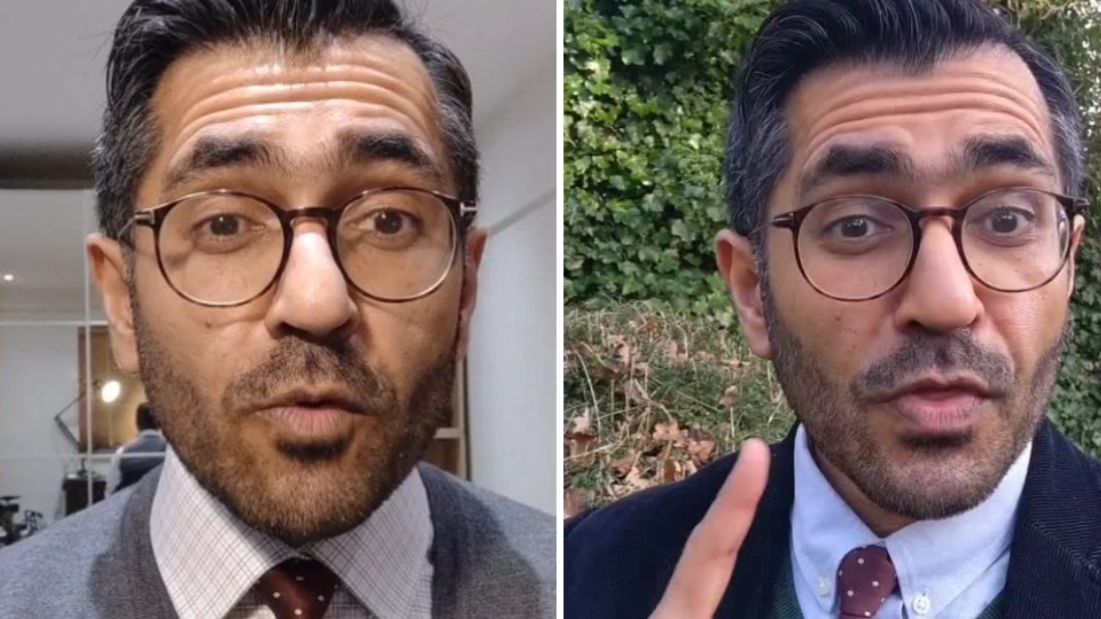
Doctor reveals four ‘unspoken’ signs of female ADHD

ADHD can have a major impact on your life, and an expert has shared four lesser-known signs that might mean you or a loved one have it.
Receiving an official diagnosis can be a long, drawn-out process, but knowing some of the signs and symptoms to be aware of could save you some time when it comes to getting in to see your GP or getting a referral.
Many people stereotype ADHD as plain old hyperactivity and forgetfulness, but there is actually a whole spectrum of behaviours and symptoms which can be a part of it, especially in women, who can present differently.
As most experts look for the more male-presenting versions, many women can find themselves slipping through the cracks when it comes to getting a diagnosis.
Advert
Dr Ali Ajaz has shared some of the signs to keep an eye out for when it comes to women who may have ADHD.
Internalising symptoms
According to Dr Ali, women with ADHD tend to internalise their symptoms and keep them to themselves, which can make it much harder to get a diagnosis.
He wrote: "Internalising symptoms = more anxiety, emotional distress, mood changes, lower self esteem."
None of these are good things when it comes to maintaining positive mental health.
One medical journal advises practitioners to be open-minded and aware: "The key message is not to discount ADHD in females because they do not display the behavioural problems commonly associated with ADHD in males."
Better at masking
Masking, when it comes to ADHD and autism, is described by the ADD society as when someone tries to act in a 'socially acceptable' way to fit in and form better connections with those around them. This often involves the act of copying the behaviours and mannerisms of people who don't have ADHD, in order to blend in more.
Dr Ali says women can be better at masking than men.
He writes: "Better masking/ways to cope in life = more likely to have 'imposter syndrome'.
This shouldn't come as a surprise seeing as habitually acting like others can leave people feeling insecure and unsure of themselves.
They can feel like imposters as they have to hide their "real selves" from view compared to neurotypical colleagues, friends, or loved ones, as they feel pressure to adapt to societal expectations.
Menstrual cycle
Where you are in your cycle can also have a major impact on the symptoms and signs of ADHD.
Dr Ali writes: "Symptoms can be much worse over the second half of a menstrual cycle."
According to WebMD: "symptoms may flare and medications don't work as well" in the second half of the cycle.
One clinical study found that ADHD symptoms increase when oestrogen levels are low, however it did not explain that relationship.
PMDD
PMDD, or Premenstrual dysphoric disorder is described by Mind as "a very severe form of premenstrual syndrome (PMS). It causes a range of emotional and physical symptoms every month."
According to MedicalNewsToday, women "who have ADHD are more likely to have PMDD than those who do not, possibly due to especially low levels of dopamine relating to ADHD".
It can be linked to dysregulation of hormones, which is also common in people with ADHD.
Always speak to a doctor or medical expert for a diagnosis before making any lifestyle changes.
Topics: Health, Mental Health, Women's Health
 Jen Thomas