Little-known reason why so many people have flat heads at the back

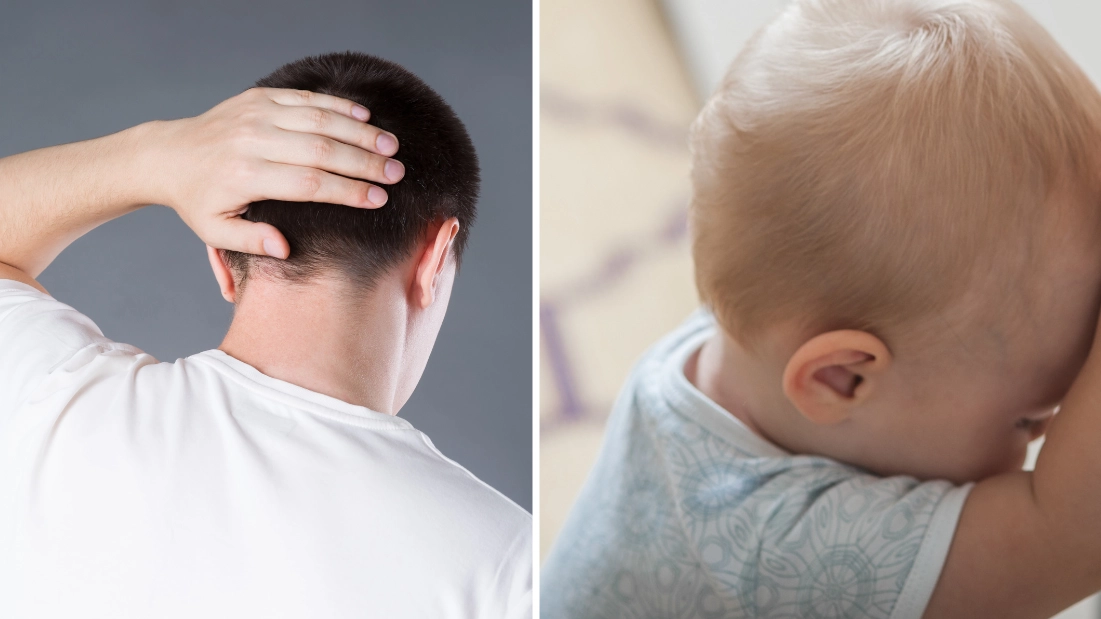
If you've ever felt the back of your head and wondered why it's a little flat, there are a few little-known reasons behind it.
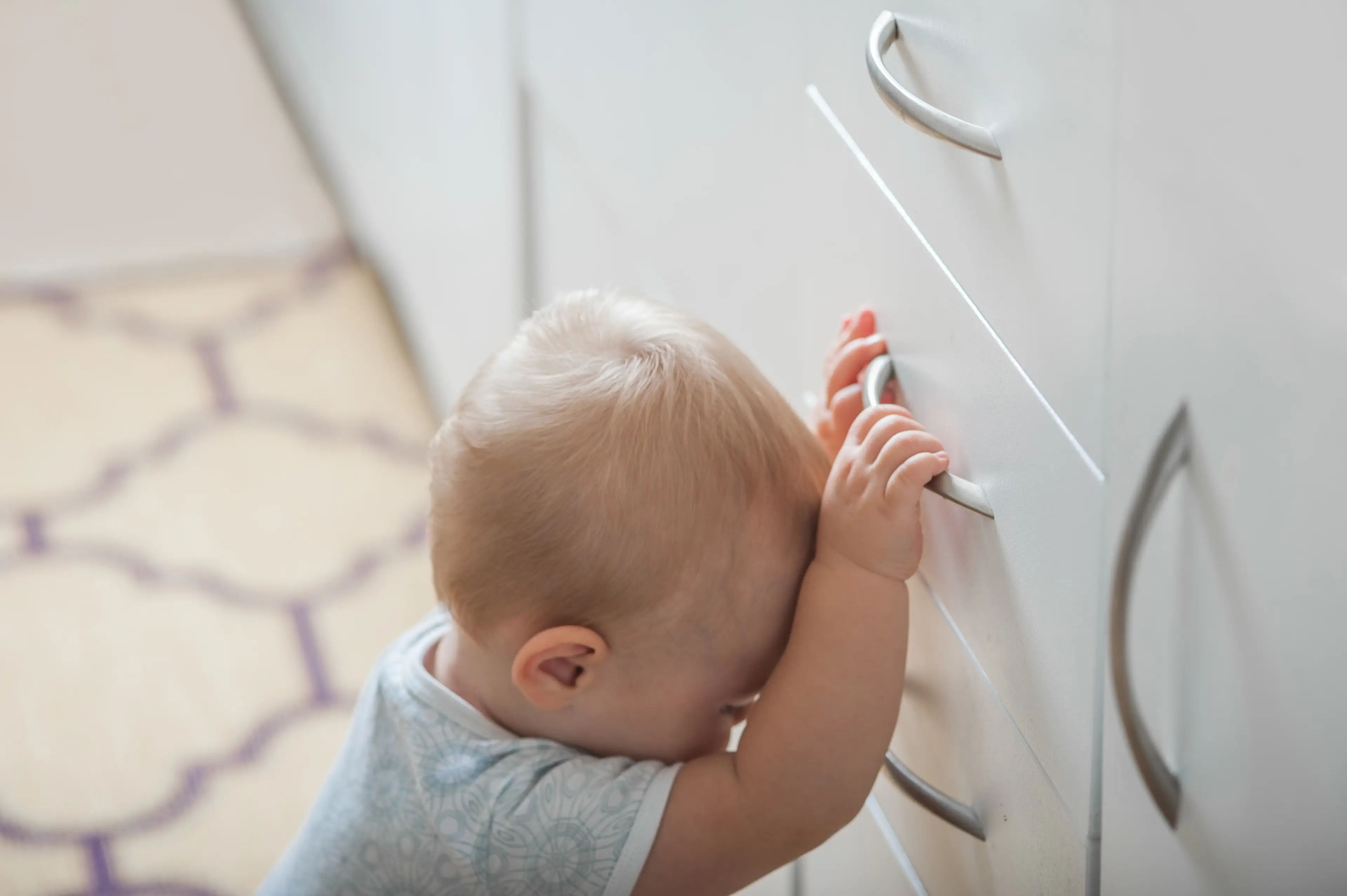
Maybe you're a parent and have noticed it on your baby or toddler too and are wondering what to do about it.
Don't worry, as a flat head is surprisingly common.
What causes a flat head?
The technical term for a flattening of the head is positional plagiocephaly.
Advert
Flat head syndrome can be caused by a baby's sleeping position, and as NHS guidelines recommend that babies be put down to sleep on their backs to prevent Sudden Infant Death Syndrome (SIDS), the pressure on the back of the skull often leads to the back being flatter.
If a baby prefers to lean their head to the side, the flattening can happen in different places too.
However, it's not just from lying down which is commonly thought to be the only cause.
Flat head syndrome can also be caused by problems in the womb.
This can include pressure being placed on a baby's head before they're born, for example if there's a lack of amniotic fluid to act as a cushion or if they're just a little bit squashed for space.
Being born early can also make flattened head syndrome more likely as premature babies have softer skulls when they're born.
They can also tend to rest their head on one side at first as they don't have the strength yet to move their heads themselves.

How can I fix a flat head?
It's very important not to be tempted to put your baby down to sleep in a different way to avoid the back of their head flattening, as it increases the risk of SIDS.
- Allowing your baby to spend time on their tummy during the day can help, as they raise their head to look around.
- Alternating where they sit too can help to remove pressure from one spot, try switching between a sloping chair, a sling and flat surfaces.
- Moving positions of mobiles and toys around them can help so they aren't always looking in one direction.
- Switching the side you hold your baby on when feeding and carrying can reduce pressure too.
Should I be worried if my baby has a flat head?
Most of the time the shape of the head will naturally correct itself as the baby develops the strength to move independently and have more tummy time, as lying on their stomach can be key to building neck strength and raising their head to look around.
If you still have concerns as your child grows, the NHS recommends seeing your health visitor or GP for advice if they seem to be having problems turning their head or the shape isn't returning to normal.
A slightly flattened head isn't usually anything to worry about, but if it's due to tight neck muscles or lack of strength they may be able to refer you for physiotherapy.
Topics: Health, Parenting, Life Hacks
 Jen Thomas