• News
  • Life
  • TV & Film
  • Beauty
  • Style
  • Home
  • News
    • Celebrity
    • Entertainment
    • Politics
    • Royal Family
  • Life
    • Animals
    • Food & Drink
    • Women's Health
    • Mental Health
    • Sex & Relationships
    • Travel
    • Real Life
  • TV & Film
    • True Crime
    • Documentaries
    • Netflix
    • BBC
    • ITV
    • Tyla Recommends
  • Beauty
    • Hair
    • Make-up
    • Skincare
  • Style
    • Home
    • Fashion
    • Shopping
  • Advertise
  • Terms
  • Privacy & Cookies
  • LADbible Group
  • LADbible
  • UNILAD
  • SPORTbible
  • GAMINGbible
  • UNILAD Tech
  • FOODbible
  • License Our Content
  • About Us & Contact
  • Jobs
  • Latest
  • Topics A-Z
  • Authors
Facebook
Instagram
X
Threads
TikTok
Submit Your Content
Doctors warn children under eight shouldn’t drink slushies

Home> Life> Parenting

Published 15:57 1 Apr 2025 GMT+1

Doctors warn children under eight shouldn’t drink slushies

One of the ingredients can be harmful to young children

Niamh Spence

Niamh Spence

google discoverFollow us on Google Discover

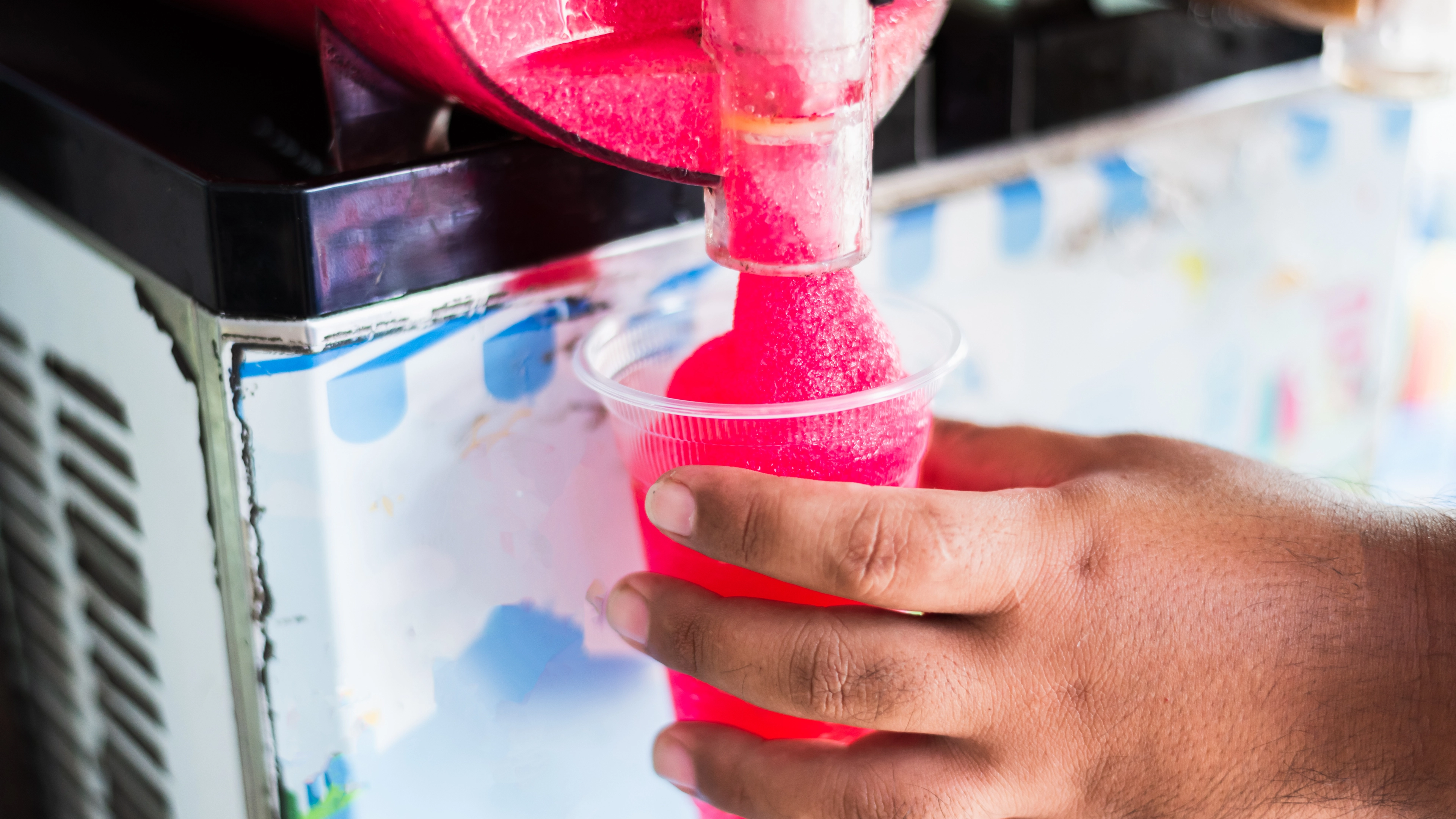
Parents have been warned not to give slushie drinks to children under the age of eight.

The brightly coloured and often sugary drinks are no doubt attractive to kids, with many wanting children wanting them on trips to the cinema, fun fairs or theme parks for example.

However, what parents might not know is that these slushies can contain an ingredient that could make a child very ill.

A new study of the cases of 21 two-to-seven-year-olds in the UK and Ireland who needed emergency treatment soon after drinking a slushy product has discovered they were made ill by consuming glycerol.

Advert

Glycerol is one of the main ingredients in slushies as it helps prevent them from freezing and keeps the drink in its semi solid state.
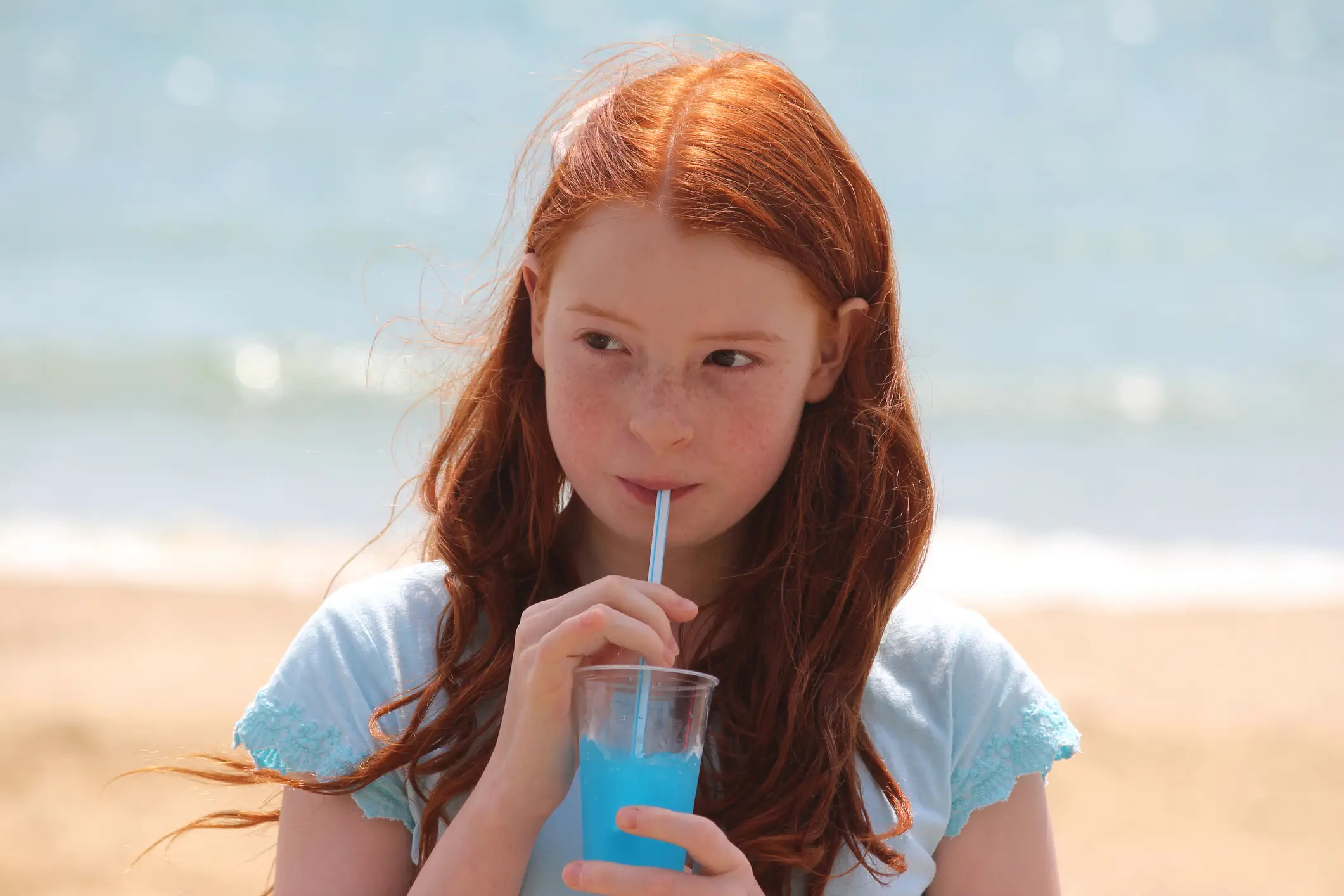
Children under the age of eight should not have slushies, with new warnings issued (Getty Stock Photo)

The current advice from the Food Standards Agency (FSA) states that under-fives should avoid the drinks and under-11s should have no more than one.

The concern over younger children consuming glycerol is due to the ingredient causing shock, hypoglycaemia (low blood sugar) and loss of consciousness. The study into the 21 cases, which has now been published in the journal Archives of Disease in Childhood, saw all the children needing emergency medical care via A&E within an hour of consuming the slushies.

The study found that most lost consciousness and showed signs of low sugar and high acidity in the blood, four children needed brain scans and one had a seizure.

Dr Sally Anne Wilson, chair of the Royal College of Emergency Medicine's safer care committee, explained why parents might not have realised the dangers slushies can pose.

She spoke during an interview with BBC Breakfast: "As a parent you want to make sensible decisions for what you buy your child and if you're not aware that there's glycerol in the slushie and what that can do, then you're not going to have any qualms about buying the said slushie."

Dr Wilson also added that age-based advice for the drinks isn't conclusive as children's weight can hugely vary, which would impact the outcome of glycerol on their bodies.
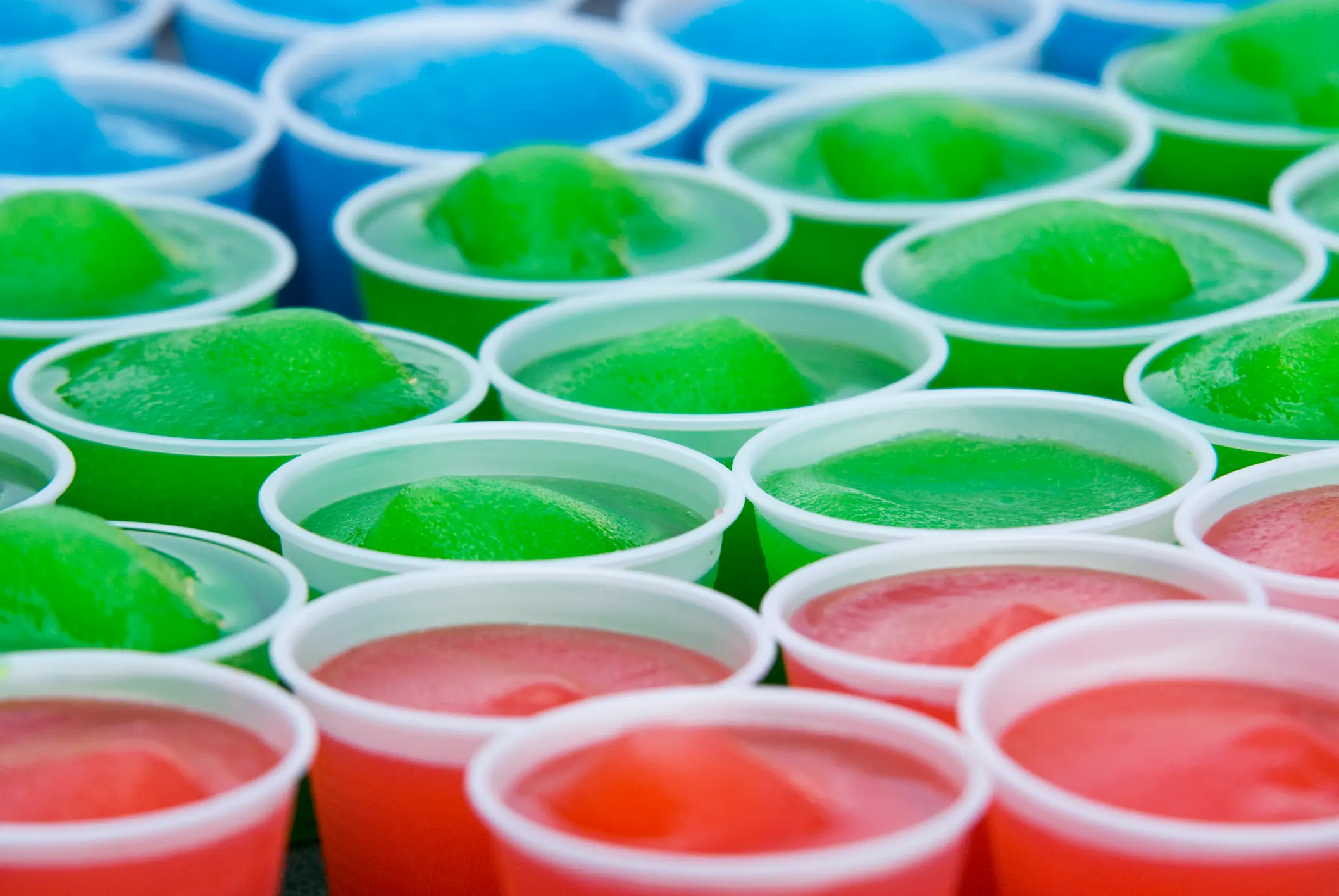
Slushies contain glycerol, which has been known to make young children ill within hours (Getty Stock Photo)

However, she added 'there's definitely an argument' for increasing the minimum age to act as a deterrent and to help solve the issue of younger children consuming them.

Rebecca Sudworth, director of policy at the Food Standards Agency, said the findings of the review were being carefully noted. She said: "We continue to strongly encourage parents to follow [our] advice which is that slushie drinks should not be given to children under four years old. Retailers are also advised to make parents fully aware of this guidance."

The FSA added: "While the symptoms of glycerol intoxication are usually mild, it is important that parents are aware of the risks - particularly at high levels of consumption."

Featured Image Credit: Getty Stock Photos

Topics: Food and Drink, Parenting, Health, Advice

Niamh Spence
Niamh Spence

I am a freelance journalist, who writes and contributes to lifestyle and online titles. Previous work includes; The Telegraph, LadBible, Entertainment Daily, BBC, The Mirror, The Metro, Tyla.etc

X

@missnspence

Advert

Advert

Advert

Choose your content:

2 days ago
3 days ago
  • Getty Stock Images
    2 days ago

    'Silent killer' disease that poses greater risk to women than breast cancer

    Dr Anais Hausvater believes women often underestimate the deadliness of this condition, being that it presents itself different in men

    Life
  • Getty Stock Image
    2 days ago

    Gen Z men are obsessing over ‘boy kibble’ - it’s equivalent to dog food

    Move over, girl dinner

    Life
  • Getty Stock Images
    3 days ago

    Having a lie-in could actually be doing damage to your health

    Too much or too little sleep has been deemed a contributing factor to type 2 diabetes by the authors of a study on insulin resistance

    Life
  • Getty Stock
    3 days ago

    Quitting Mounjaro and Wegovy jabs might actually leave you worse off than before

    New research from Cambridge University has shown the reality of coming off the jabs

    Life
  • Terrifying reason parents are being warned not to let children drink slushies following numerous hospitalisations
  • Storecupboard spice could have ‘hazardous’ effect on certain medications, experts warn
  • Why you shouldn’t let your partner try your breast milk
  • Anyone taking anxiety medication warned against drinking certain drink - it’s not alcohol