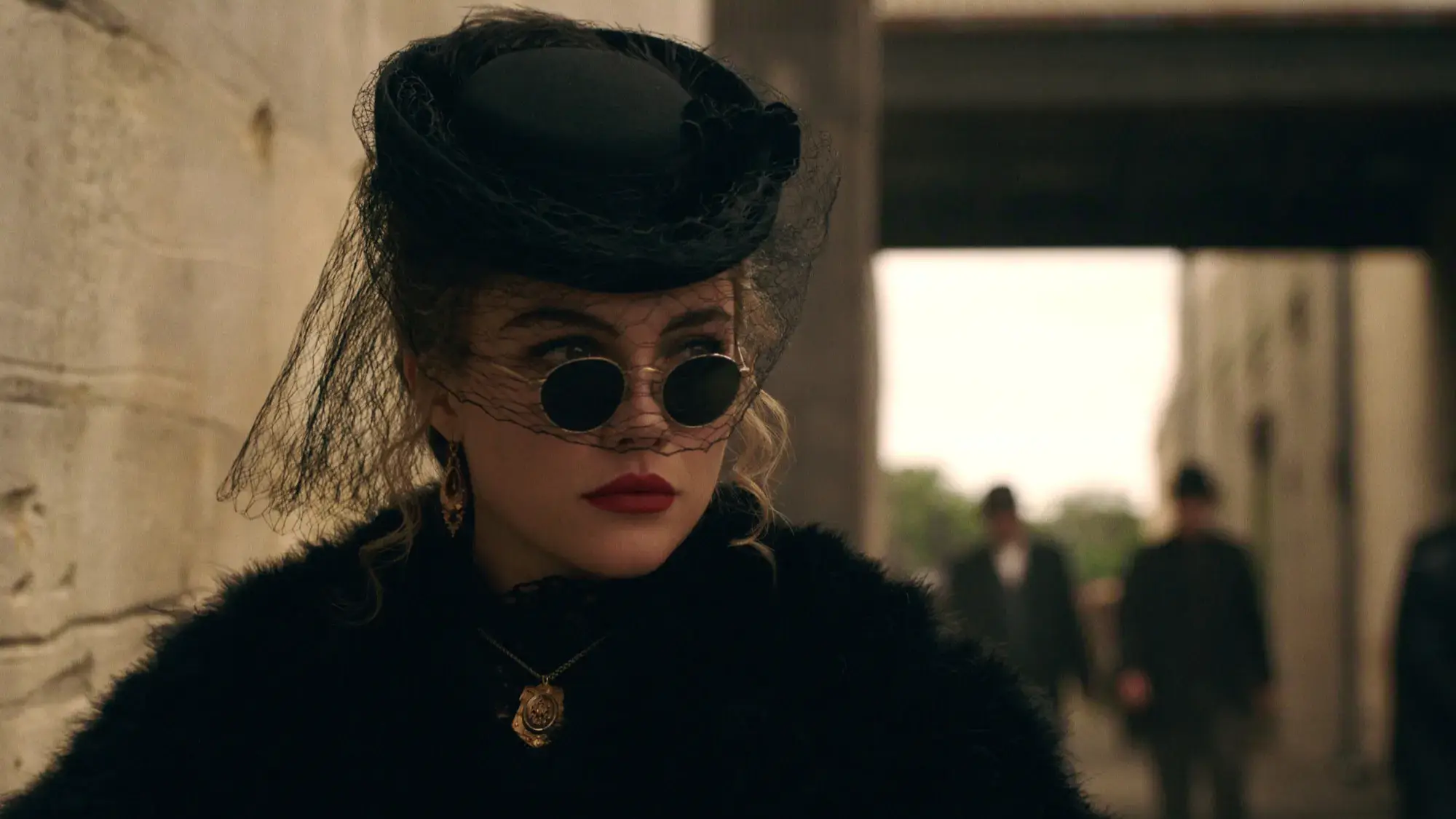
Netflix’s East of Eden character Cathy is sparking backlash from viewers after they point out huge issue with her

Netflix’s new adaptation of East of Eden has got people talking, but one particular change to John Steinbeck’s classic novel has left some viewers seriously divided.
The seven-part series, created by Zoe Kazan, stars Florence Pugh as Cathy Ames alongside Christopher Abbott as Adam Trask and Mike Faist as his brother Charles.
Unlike the famous 1955 film, Netflix’s version tackles the sprawling story across generations, while placing considerably more emphasis on Cathy.
It’s the way the series approaches its notorious antagonist that has become a sticking point for some viewers.
Advert
Steinbeck introduces Cathy in the novel by talking about monsters and people born without kindness or conscience.
Netflix hasn’t completely stripped away her cruelty, and viewers see she remains capable of horrifying acts but the adaptation spends much more time examining what happened to her and suggests why she behaves the way she does.
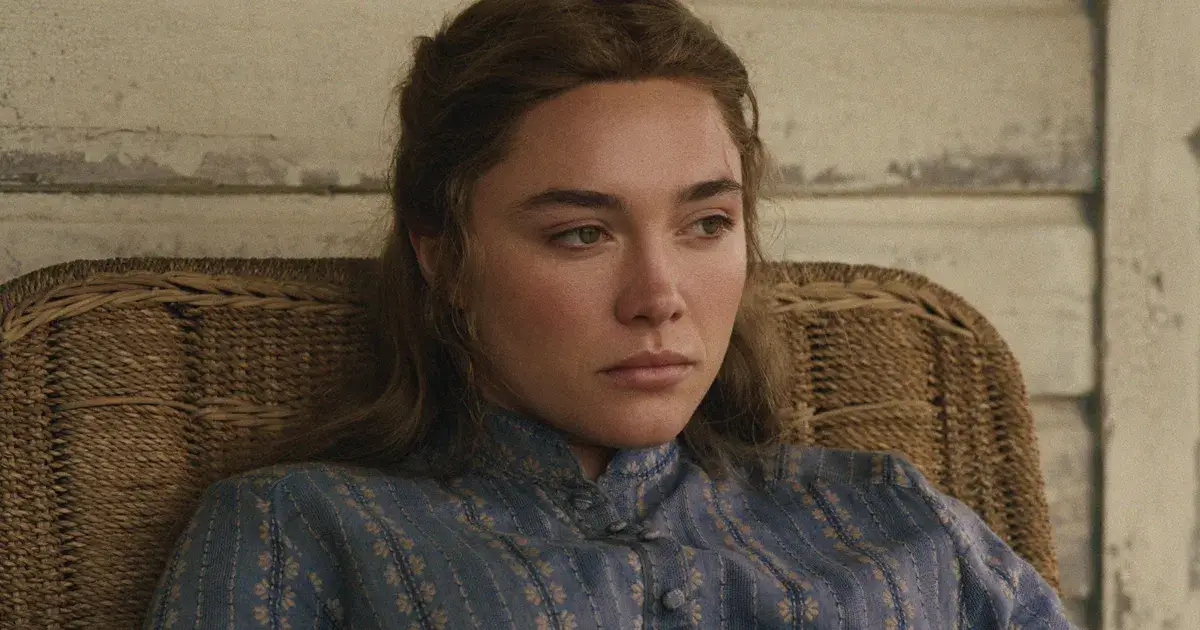
Pugh has been open about that approach.
The actor told The Atlantic that the new East of Eden doesn’t try to make Cathy ‘a monster’, explaining: “It was my job to try and get you guys to sympathize and maybe fall in love with her a little bit.”
For some fans of the book, however, that's exactly the problem.
Viewers think it fundamentally changes Cathy
One critic argued: “Part of the reason that the East of Eden creators don't realize that Cathy Ames is supposed to be evil is that the earliest hint we get of her depravity is through her perverted relationship to sex: she becomes voluntarily embroiled in sexual sadism at the age of ten.”
“Later, when she joins a brothel, she turns the establishment into a sadistic wasteland….The writers of the Netflix show probably just think she's an empowered dominatrix and a feminist icon,” they added.
Another put the objection more bluntly: “The point of Cathy in the text is that she’s literally pure evil.”
They continued: “Not like other villains (who often have reasons to pity them), she is the epitome of an abuser. Make whatever show you want, but if Cathy isn’t a murderous sexual predator, it’s not East of Eden.”
“This new Hollywood trend of ‘every villain is sympathetic’ is the worst,” another viewer complained.

Some say it changes the meaning of the entire story
The criticism goes beyond whether Cathy should be sympathetic.
“At the heart of East of Eden is the idea of timshel, or ‘thou mayest.’ It is the philosophy that we possess the power to choose good over evil,” the critic wrote.
“That is why East of Eden is the second-greatest novel ever written about the power of personal agency: it reminds us that when faced with evil, we have the power to choose good, no matter what we may have gone through in our past.
“In turning Cathy Ames into a victim of circumstance, Netflix has destroyed the entire moral architecture of the novel.”
But others think that interpretation misses the point
Not everybody agrees that giving Cathy more context undermines Steinbeck.
One viewer hit back: “The East of Eden show was a mistake because the pseudo-intellectuals are coming out of the woodwork to completely misinterpret Cathy and the whole book because they’re that against viewing a female character as complex rather than ‘born evil’.”
They continued: “The point of the book is that no one is born evil. The way you are brought up and the way your parents are like massively influences you. Cathy chooses evil bc she was made to believe that's all she is (and it's also a safety mechanism against men)”.
Someone else argued back: “The chapter that introduces Cathy states that some people are simply born monsters. Have you read the book lol”.
Kazan has spoken about the novel’s questions of inheritance and what people carry from previous generations, while Pugh has said she wanted to understand Cathy’s choices rather than reduce her to the evil things she does.
The fans might not like it, but it seems it was a deliberate decision.
Topics: Netflix, TV And Film, Florence Pugh, Books
 Jen Thomas