
‘Free bleeding’ warning issued by doctor after American rapper admits to doing it onstage sparking divide

A woman's health expert has weighed in on the ‘free bleeding’ movement after musician Ashnikko said she does it on stage.
The American star, who has built a career around bold themes and boundary-pushing visuals, spoke candidly about free bleeding during her show at Sziget Festival in Budapest.
In videos that have since gone viral online, the 30-year-old singer can be seen telling the crowd she felt as though her period was about to start.
"Just so everyone knows, I feel like I'm right about to start my period, so if I'm free bleeding at any point on this stage, respect and love," she announced.
Advert
She then turned the moment into a lyric of its own, singing, 'Free bleeding in Budapest!' three times, before telling fans: "That would be so cute."
While the poignant moment might have been delivered with a laugh and received with a cheer by the majority of attendees, it has sparked a debate online.

What is ‘free bleeding’?
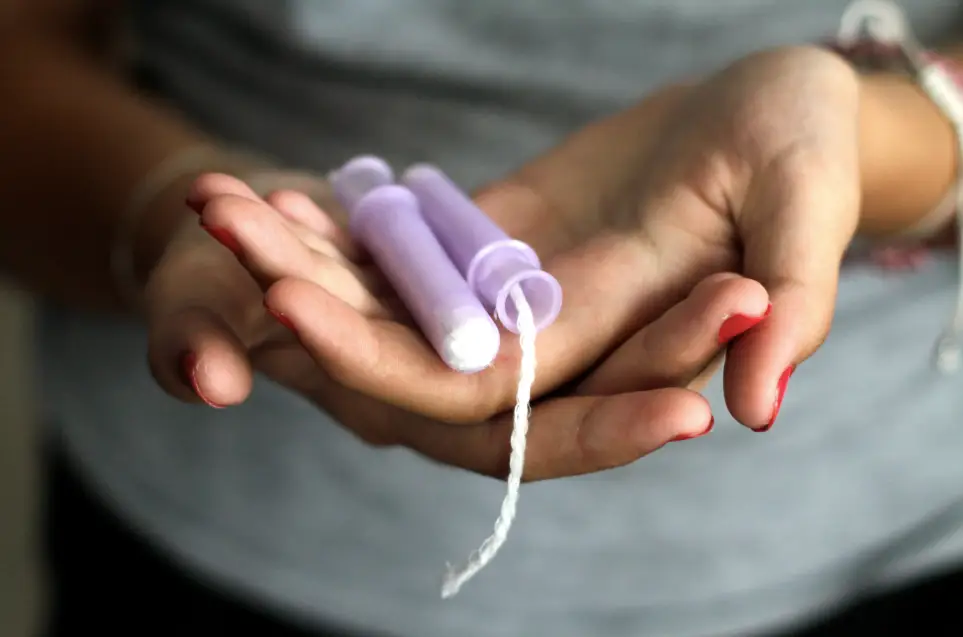
Free bleeding means menstruating without using period products, such as tampons, menstrual cups or pads.
Instead, menstrual blood is allowed to flow naturally, often into underwear or clothing.
People choose to free bleed for a range of reasons. For some, it is simply about comfort, particularly if they find traditional period products uncomfortable or irritating.
For others, it's a way of challenging the idea that periods are something that should always be hidden.
Free bleeding has also been connected to menstrual activism, period poverty and not wanting to pollute the environment further with disposable products.
A doctor has spoken to Tyla about free bleeding, including the claimed health benefits and any risks associated with it.
“Free bleeding is really just a new term for something quite simple,” said Dr Susanna Unsworth, women’s health expert at Intimina.
“From a medical perspective, there is no particular health benefit to free bleeding. Menstrual blood leaving the body is the same whether it is absorbed by a sanitary pad or allowed to soak into underwear or clothing.
“Equally, there is generally no significant health risk to the individual from choosing to free-bleed, provided normal personal hygiene is maintained.”
The trend could have a positive role in challenging the stigma around menstruation, however, Dr Unsworth is cautious about claims that free bleeding is 'healthier' than using period products.
“Where I think the movement does have a positive message is around reducing the stigma associated with menstruation. Periods are a normal physiological process, and nobody should feel ashamed or embarrassed by them.
“Many women will have experienced their period arriving unexpectedly or bleeding through their menstrual protection, and that can be incredibly embarrassing. Anything that helps normalise the fact that periods happen, and that occasionally menstrual blood may be visible, is positive.”
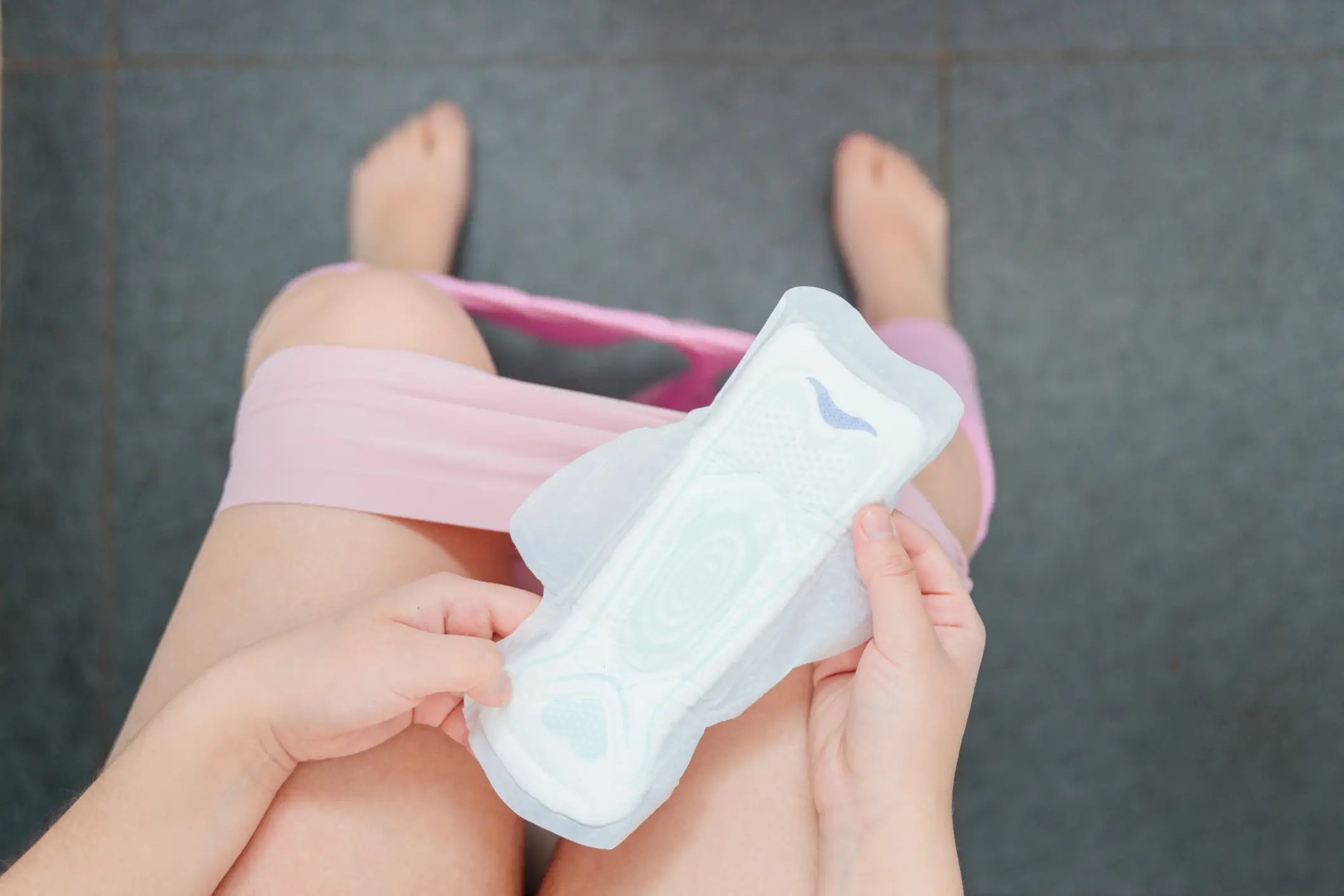
The doctor emphasises that there’s a difference between normalising periods and encouraging people to stop using menstrual products altogether, which some parts of this trend appear to do.
“Allowing menstrual blood to soak into clothing may actually be less comfortable,” she warned.
“Wet or dried blood sitting against the skin and pubic hair can cause irritation and discomfort, and heavier bleeding may mean changing underwear and clothing several times during the day. There is no medical reason why this should be considered healthier than using an appropriate menstrual product.”
The comments come amid concerns online about the safety of some conventional period products, including claims about metals and other chemicals found in tampons.
Dr Unsworth says people may understandably have questions about what they use, but cautions against assuming that the presence of trace substances means a product is harmful.
“I know there has been publicity around studies detecting metals and other chemicals in some menstrual products, particularly tampons,” she continued. “It is understandable that this might make people question what they use, but detecting trace amounts of a substance does not automatically mean it poses a health risk.
“Current evidence does not suggest that women need to stop using conventional menstrual products for health reasons.”
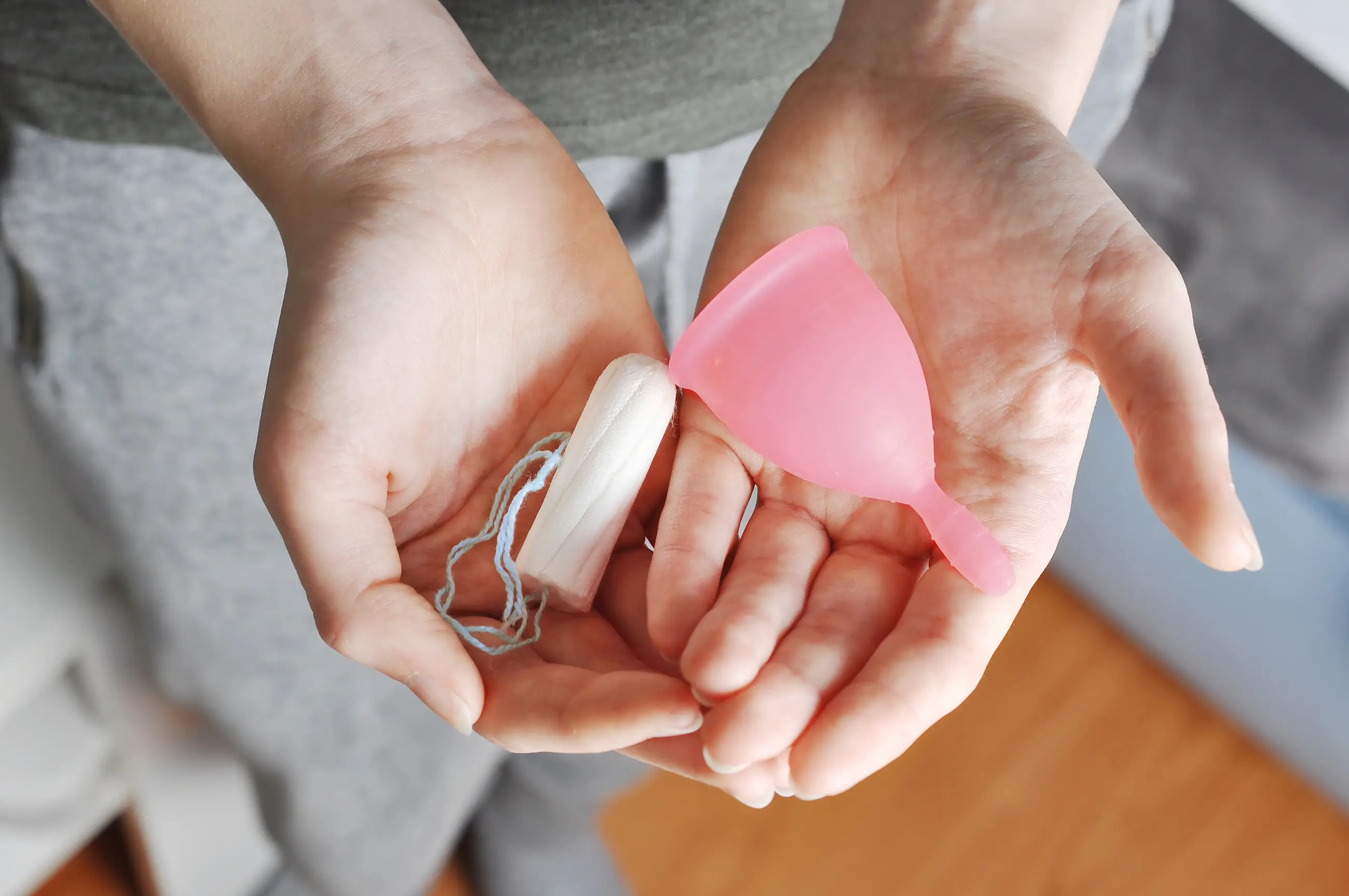
For those looking to reduce their use of disposable products, the women’s health expert points to alternatives including period underwear, washable pads and menstrual cups.
There are also questions about free bleeding in shared or public spaces, Dr Unsworth says, particularly where other people could come into contact with menstrual blood.
She explained: “Menstrual blood is still blood and, like any blood, can potentially carry blood-borne infections. That doesn't mean menstrual blood itself is dirty or dangerous, and we certainly should not be reinforcing that stigma. However, it is reasonable to avoid exposing other people to another person's blood.”
The doctor adds that challenging shame around periods is important, but that does not necessarily mean abandoning menstrual protection.
“Ultimately, I completely support the message that periods are normal, and nobody should ever be embarrassed by an accidental leak. But I do not think we need to turn not using menstrual protection into a health trend,” Dr Unsworth noted.
Topics: Health, Women's Health, Celebrity, TikTok
 Greg Harris