Potential side effects of cancer treatment explained as King Charles is forced to cancel public events

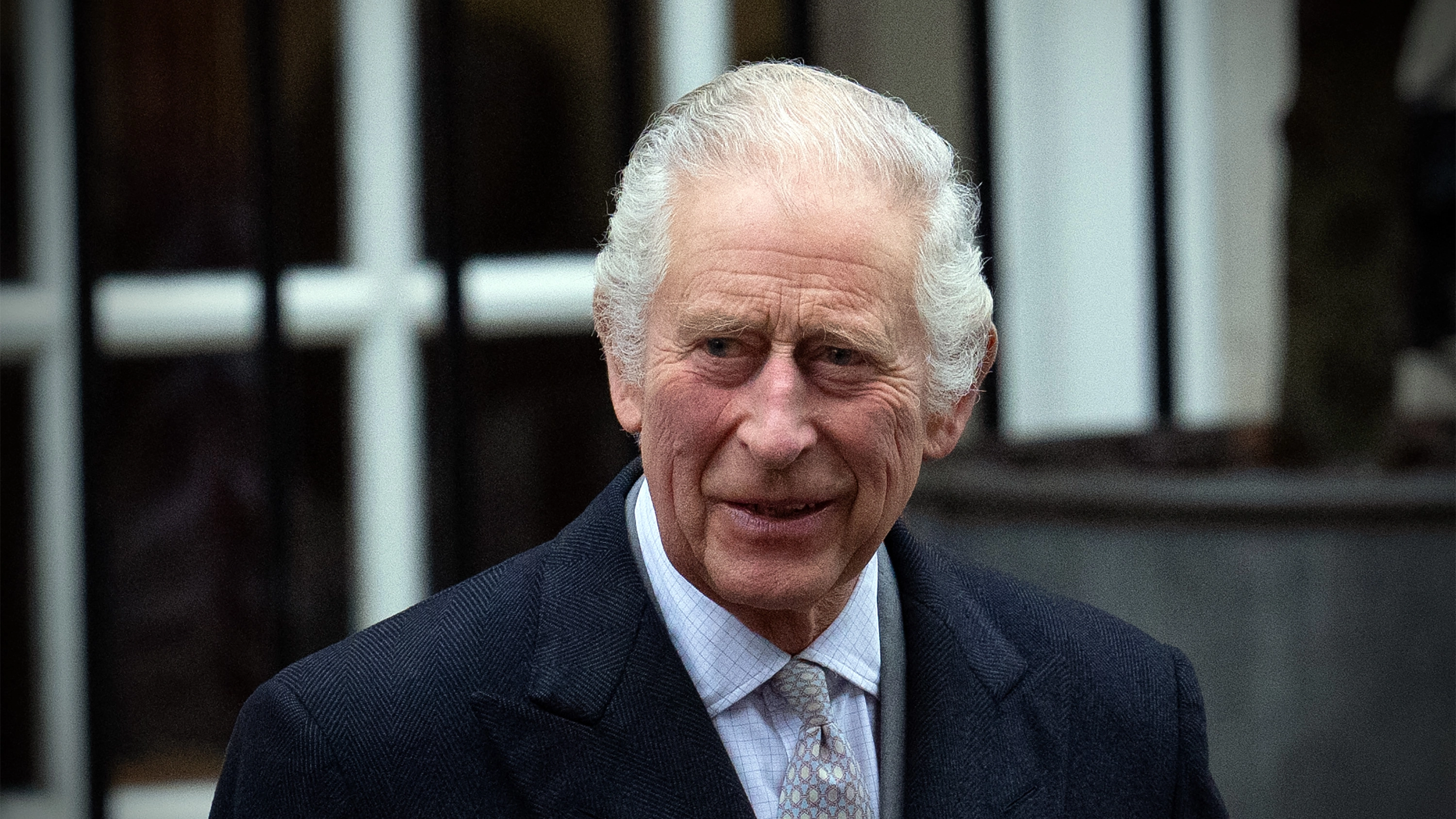
Earlier this week, it was announced that King Charles III was forced to cancel public events after suffering side effects of his cancer treatment.
The 76-year-old monarch was diagnosed with an undisclosed form of cancer in February 2024 and returned to public-facing duties in April while still undergoing weekly treatment.
Buckingham Palace confirmed at the time that he had been undergoing a hospital procedure for a 'prostate enlargement' when a 'separate issue of concern' was found.
"Subsequent diagnostic tests have identified a form of cancer," it said.
Advert
A later statement revealed that Charles was making good progress, and that his medical team remained 'positive' about his recovery, which was said to continue into 2025.
The palace has since announced in a new statement this week that Charles 'required a short period of observation in hospital' after experiencing side effects from his cancer treatment.

It said in a statement: "Following scheduled and ongoing medical treatment for cancer this morning, the King experienced temporary side effects that required a short period of observation in hospital.
"His Majesty’s afternoon engagements were therefore postponed.
"His Majesty has now returned to Clarence House and as a precautionary measure, acting on medical advice, tomorrow’s diary programme will also be rescheduled.
"His Majesty would like to send his apologies to all those who may be inconvenienced or disappointed as a result."
Now, while it's not been revealed which type of cancer treatment Charles is receiving, there are several common side effects associated with it.
Pain
Pain, which is common to all cancers and cancer treatments, can seriously disrupt a person's quality of life by making it difficult or impossible to eat, sleep, and socialise.
Fatigue
A lot of people undergoing cancer treatment report symptoms relating to cancer-related fatigue (CRF), which include overwhelming tiredness, exhaustion, and weakness that doesn’t go away with sleep and rest.
It's especially common as a result of chemotherapy.
Anaemia
Anaemia, an iron deficiency anaemia which is caused by lack of iron, develops when there aren’t sufficient red blood cells to carry oxygen throughout the body.
This, in turn, can cause dizziness, weakness, faintness, and racing of the heart.
Chemotherapy and radiation therapy and some immunotherapies can cause this as they can inadvertently destroy healthy red blood cells in the process of killing cancer cells.

Hair, skin, and nail problems
Both radiation therapy and chemotherapy can lead to hair loss - but different chemotherapy drugs can cause different types of hair loss, or no hair loss at all.
Skin-related side effects of chemotherapy and radiation therapy can include dryness, itchiness, redness, and swelling.
Those undergoing any kind of cancer treatment are also warned to take caution in the sun as they may be more susceptible to sunburn.
People may also experience changes in their nails, like darkening, yellowing, or cracking of the nails and/or cuticles.
Mouth problems
Certain cancer treatment drugs and radiation to the head and neck can damage your salivary glands and tissues in the mouth, throat and lips which can cause a number of uncomfortable and often painful issues.
These include changes in taste, difficulty swallowing, dry mouth, infections in the mouth, mouth sores, tooth decay, and sensitivity to hot and cold food.
Nausea and vomiting
Cancer treatments like immunotherapy, radiation therapy to the abdomen, and chemotherapy are all known to cause nausea and vomiting in people receiving cancer treatment.
In turn, such side effects can cause weight changes, dehydration, and malnutrition, which can worsen the overall symptoms of the side effects.
Other side effects of cancer treatment include:
- Bleeding and bruising
- Bone density loss
- Edema (swelling)
- Heart damage
- Lymphedema (lymphatic system blockage)
- Fertility issues
- Memory or concentration problems, or delirium
- Nerve problems
- Sexual health issues
- Sleep disturbances and insomnia
- Urinary issues
If you’ve been affected by any of these issues and want to speak to someone in confidence, contact Macmillan’s Cancer Support Line on 0808 808 00 00, 8am–8pm seven days a week.
Topics: Cancer, Health, King Charles III, Royal Family
 Rhiannon Ingle