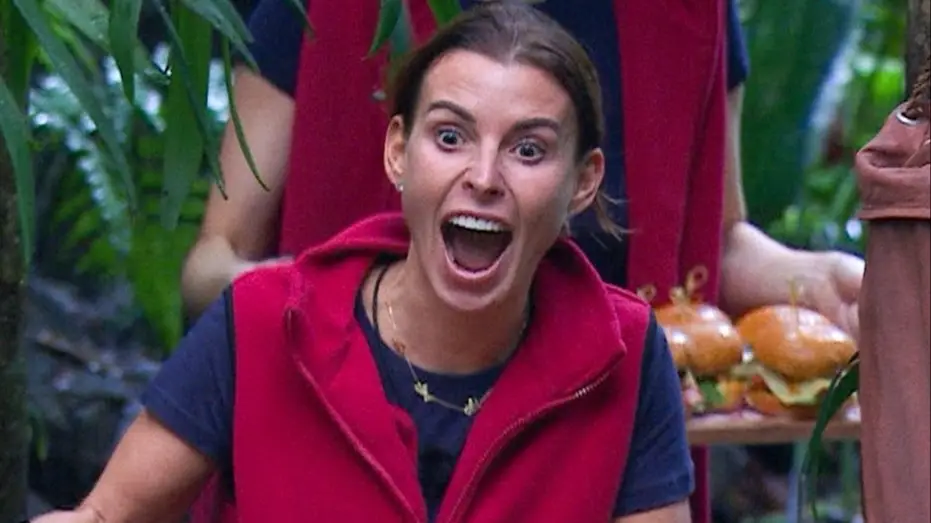
How being in the I’m A Celeb jungle would affect the women’s periods

It’s no secret that spending three weeks in the Australian outback can cause havoc in your body - especially when living on rice and beans, sleeping in hammocks, and ingesting creepy crawlies get thrown into the mix.
But did you know that it could also have an impact on your menstrual cycle?
As the fresh batch of famous faces are waiting to make their entrance to the jungle, Tyla spoke to Dr Nikki Ramskill, women’s health GP and founder of The Female Health Doctor, who explained the impact that being in this environment could have on your period.
The expert outlined: “Our cycles are influenced by so much more than just our reproductive organs. The brain is absolutely central to the hormonal system, and any significant change in stress, food intake, sleep or physical activity can have an impact on that system.
Advert
“Imagine going from your normal day to sleeping out in the open, eating completely differently, facing some very scary stuff and being around a completely new set of people. That’s a massive shock to the system!”
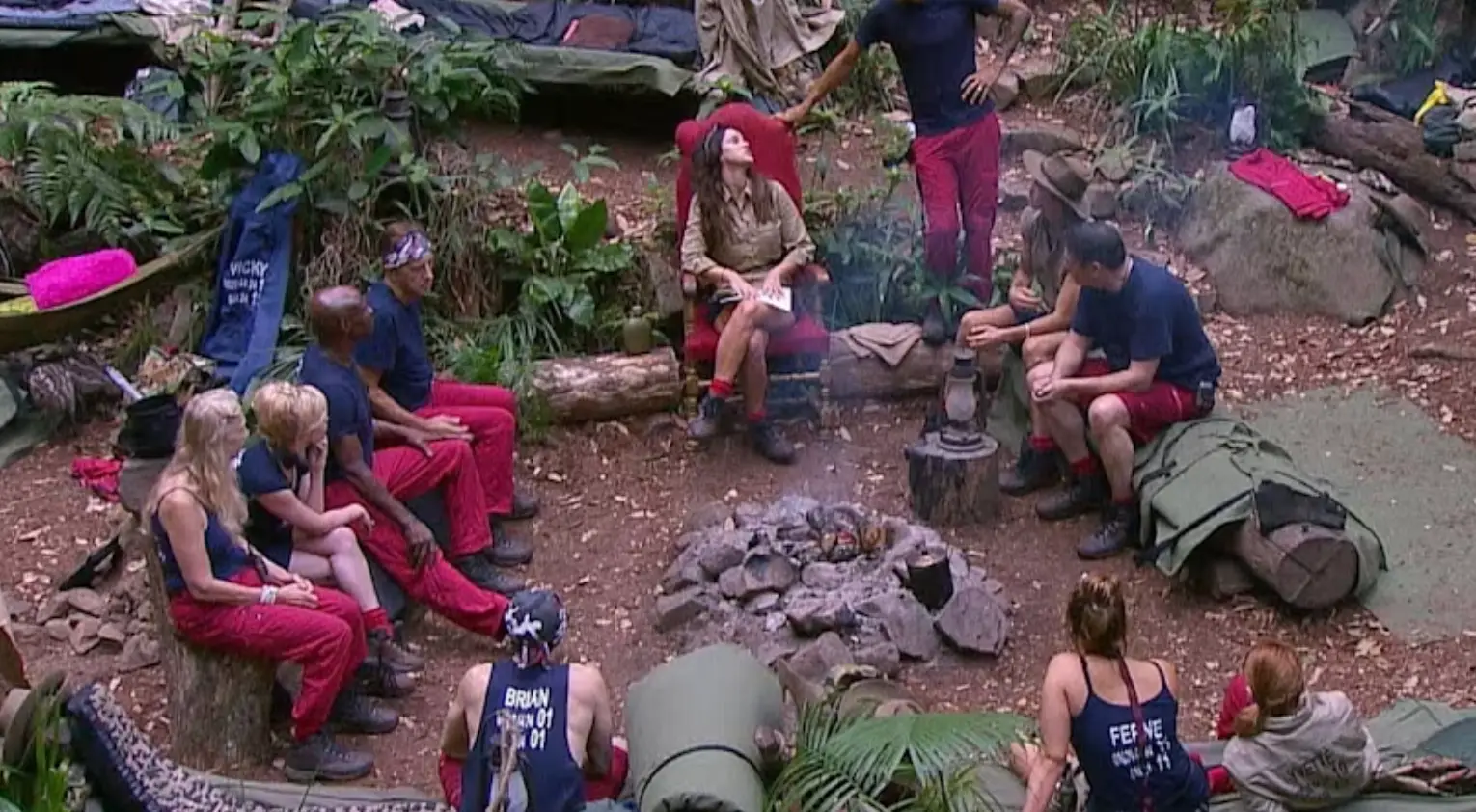
She clarified that for some women this could mean that their period comes later than normal, is lighter, or even completely stops for a while, and for others there may be no change at all.
Ramskill added: “It’s absolutely vital to bear in mind that these changes aren’t going to happen automatically, and we can’t possibly know how any one individual’s body is going to react.”
How do changes in stress affect the menstrual cycle?
Dr Ramskill explained that stress is one of the biggest factors that can upset your cycle.
She told Tyla: “When we’re under physical or psychological stress, our bodies go into what’s known as the stress response, involving the release of hormones such as cortisol.
“This can have an effect on the hypothalamus (the bit of the brain that co-ordinates the hormonal signals which in turn control ovulation).
“If you’re ovulating late, your period will generally come later than expected. If you’re not ovulating at all, you may well miss a period altogether.”
The expert explained that stress doesn’t necessarily mean you’re feeling anxious or upset, and that physical stressors the celebs might be experiencing in the jungle, such as poor sleep, inadequate food intake, and extreme changes in your environment, can all be sources of additional stress on the body.
“Basically, when the body is under a lot of demand, reproduction drops down the list of priorities,” she added.
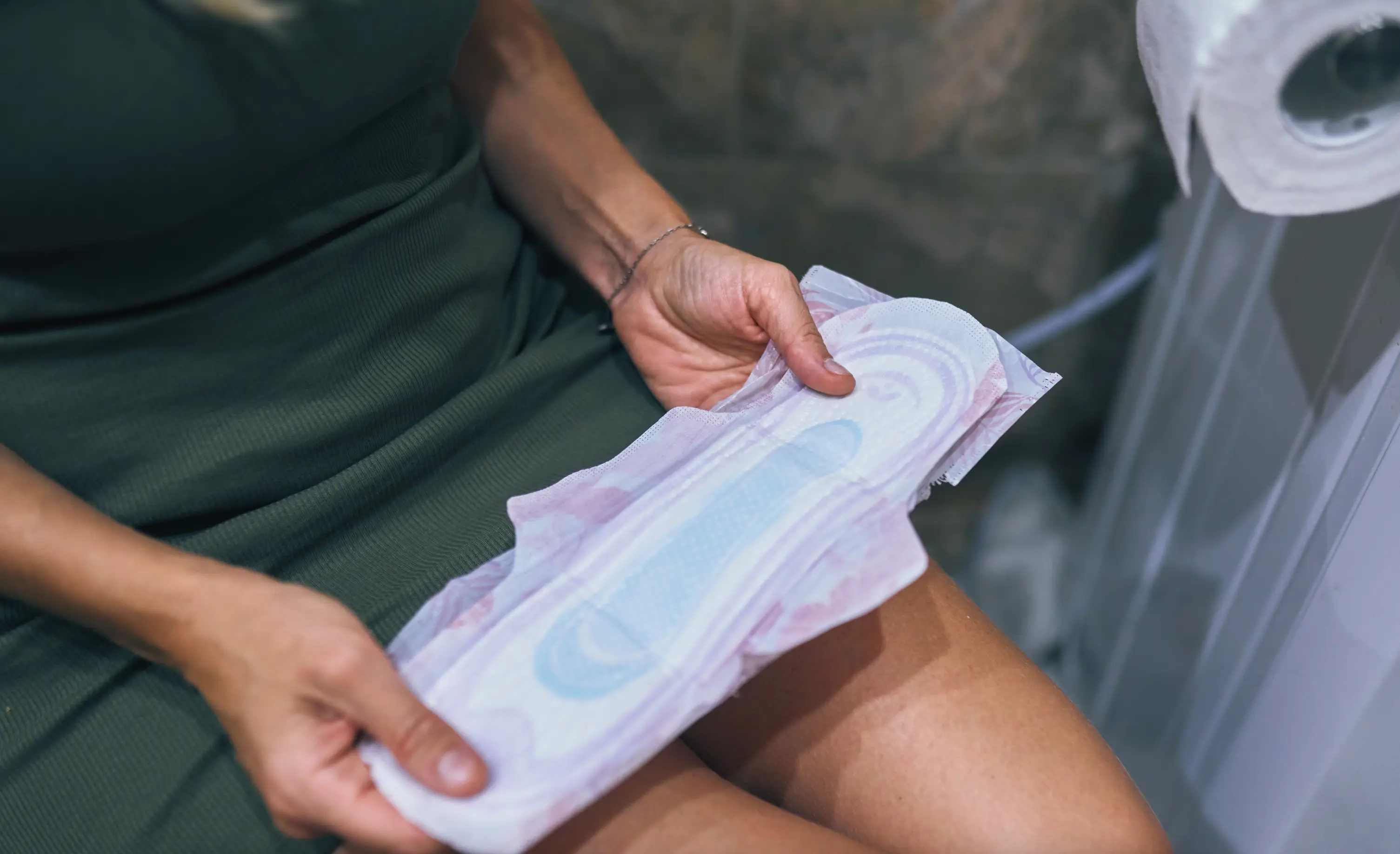
How can changes to your diet affect your period?
The women’s health GP added that, as well as stress, what we eat has a significant bearing on the regulation of our reproductive hormones.
In the jungle, you can be pretty substantially down on your calories, especially if you’re just having small portions of rice and beans.
Dr Ramskill explained: “When the body isn’t getting enough energy to meet its demands, it can turn down the hormonal signals that are responsible for ovulation. That’s what’s known as functional hypothalamic amenorrhoea when it leads to the cessation of periods.
“It’s not just about losing weight. Even relatively short periods of inadequate energy intake (particularly in the context of exercise and stress) can have an effect on reproductive hormone signalling in susceptible women.”
However, it ‘by no means follows that someone’s period will simply cease after a few days of eating less’ and ‘the effect will depend on the severity and length of the energy deficit as well as the individual’.
The women’s health GP concluded: “One of the key messages is that regular periods are a useful indicator of general health and it’s not something we should normalise to have them absent on a regular basis due to under-eating.”
How can changes to routine affect the menstrual cycle?
Our reproductive hormones are also intimately linked to the body’s internal biological clock.
Dr Ramskill told Tyla: “Changes in sleeping patterns, meal times, physical activity and exposure to light can all have an effect on the systems involved in hormone regulation.
“In the jungle the contestants are likely sleeping poorly, waking at all sorts of times, doing a lot more physical activity than they’re used to and eating at completely different times.”
Sleep disruption in particular has also been linked to menstrual irregularity; however, the relationship is complex, and it doesn’t necessarily mean that one bad night’s sleep will delay your period.
Dr Ramskill pointed out that it’s normally the combination of a number of changes rather than one single factor that has the greatest potential to break the cycle.
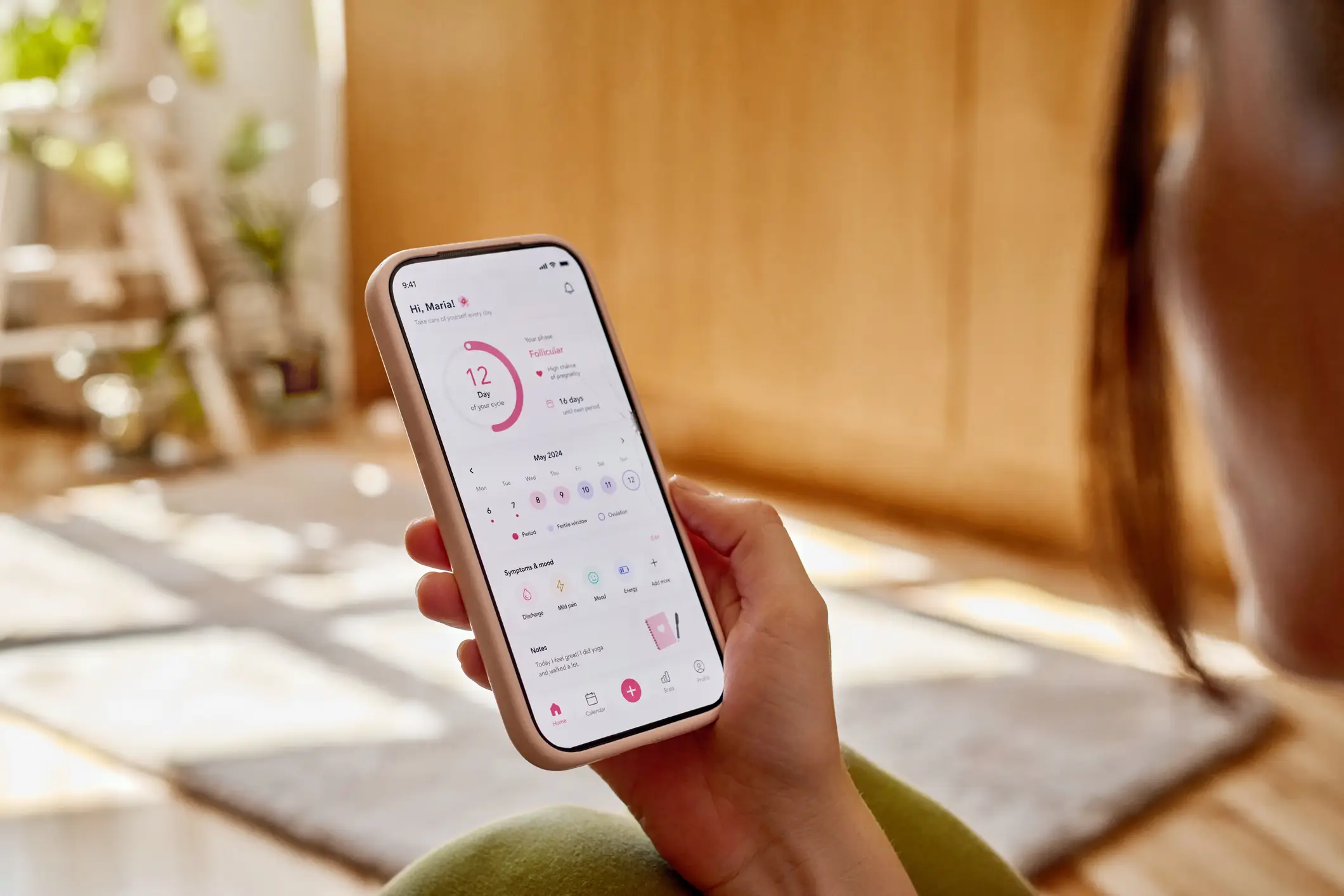
The good news is that for a lot of women, and the campmates, their periods should go back to normal once normal eating, normal sleeping and normal stress levels are achieved.
However, the GP advises that if you miss three periods in a row or your cycle is changing quite significantly and consistently, then it’s worth speaking to a doctor rather than just attributing it all to stress.
She concluded: “Your cycle is pretty much like a monthly health report from your body. Big changes in stress, nutrition and sleep will all have an effect on it.
“So whilst jungle life might make fun television, it’s definitely not the ideal environment in which to keep your hormones in check!”
Topics: Im A Celebrity, Women's Health, Health, Reality TV, ITV, Periods
 Madison Burgess