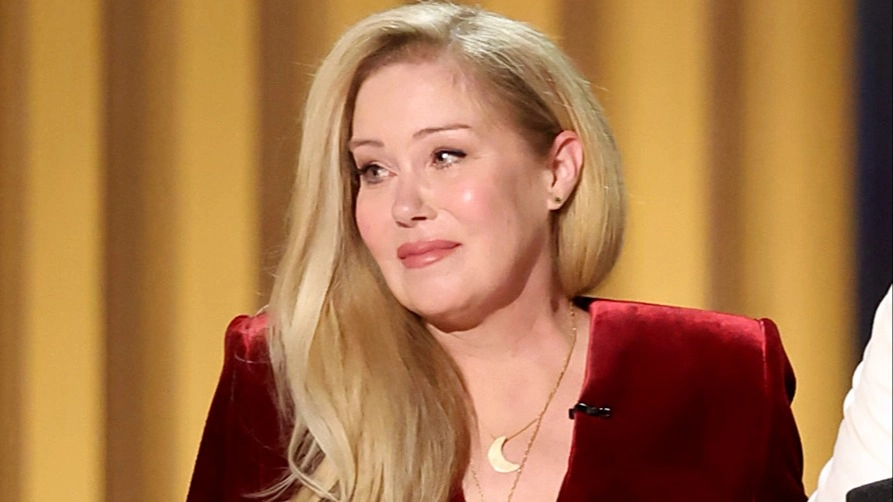
Christina Applegate shares what she thinks caused MS-like symptoms as doctor addresses claims

Christina Applegate is questioning whether her breast implants could be the cause of her health issues, after she discovered she was misdiagnosed with multiple sclerosis (MS).
The 54-year-old Dead to Me actress has believed she’s had MS, a chronic, autoimmune condition that affects the brain and spinal cord, since early 2021.
But after seven months away from her MeSsy podcast, she returned on 20 October with the revelation that this whole time, she’s been misdiagnosed.
Through tears, she explained how she's now 'back at square one' after discovering that she doesn't have the illness, but is still suffering from debilitating symptoms.
Advert
Now, in the podcast’s most recent episode on Wednesday (11 November), she questioned whether her MS-like symptoms could actually be due to breast implant poisoning.
The actress said: “I’ve been thinking this for years: ‘Is this breast implant poisoning?’
“Because I actually had my double mastectomy in 2008 and I am way overdue for having them replaced.”

Applategate added: “And I swear over the last five years or whatever, I’ve thought, ‘What if they’re leaking and poisoning me?’ And then there was some study … about it presenting as MS. So that’s one that I will be looking into because it’s something I’ve thought about.”
In the wake of this theory, Tyla has spoken with women’s health GP, Dr Nikki Ramskill, who explained what 'breast implant illness' actually is.
She explained: “Breast implants aren’t designed to last forever, and over time the shell can weaken or develop a tear, allowing the contents to leak out. That’s what we call an implant rupture.”
The expert outlined that there are two main types of implants: saline and silicone, as she added: “With a saline implant, if it ruptures, the breast will usually become noticeably smaller as the fluid escapes and is absorbed by the body.
“Silicone implants are a bit different in that the silicone gel can actually remain within the capsule of scar tissue that forms around the implant. It’s entirely possible to have a rupture and not even know about it. We refer to this as a ‘silent rupture’.”

Dr Ramskill explained that ruptures can occur as a result of ‘implant ageing, damage during surgery, trauma or simply through wear and tear over time’.
While a leaking implant doesn’t in itself mean that someone is in any immediate danger, it does require investigation.
The women’s health GP told Tyla: “Silicone leak can lead to inflammation, pain, changes in breast shape and, in some cases, the development of lumps or firm scar tissue around the implant.
“There’s also been a growing discussion around breast implant illness with women reporting symptoms of fatigue, joint pain, brain fog and various other systemic issues.”
All of these are recognised symptoms of MS.
“These are very real symptoms and absolutely need investigation, even if the research hasn’t yet established a clear link between silicone implants (or implant rupture) and these more general symptoms,” Dr Ramskill added.
She warned that it’s vital to distinguish implant rupture from the very rare implant-associated cancers, such as breast implant-associated anaplastic large cell lymphoma (BIA-ALCL), which is particularly linked to textured implants.
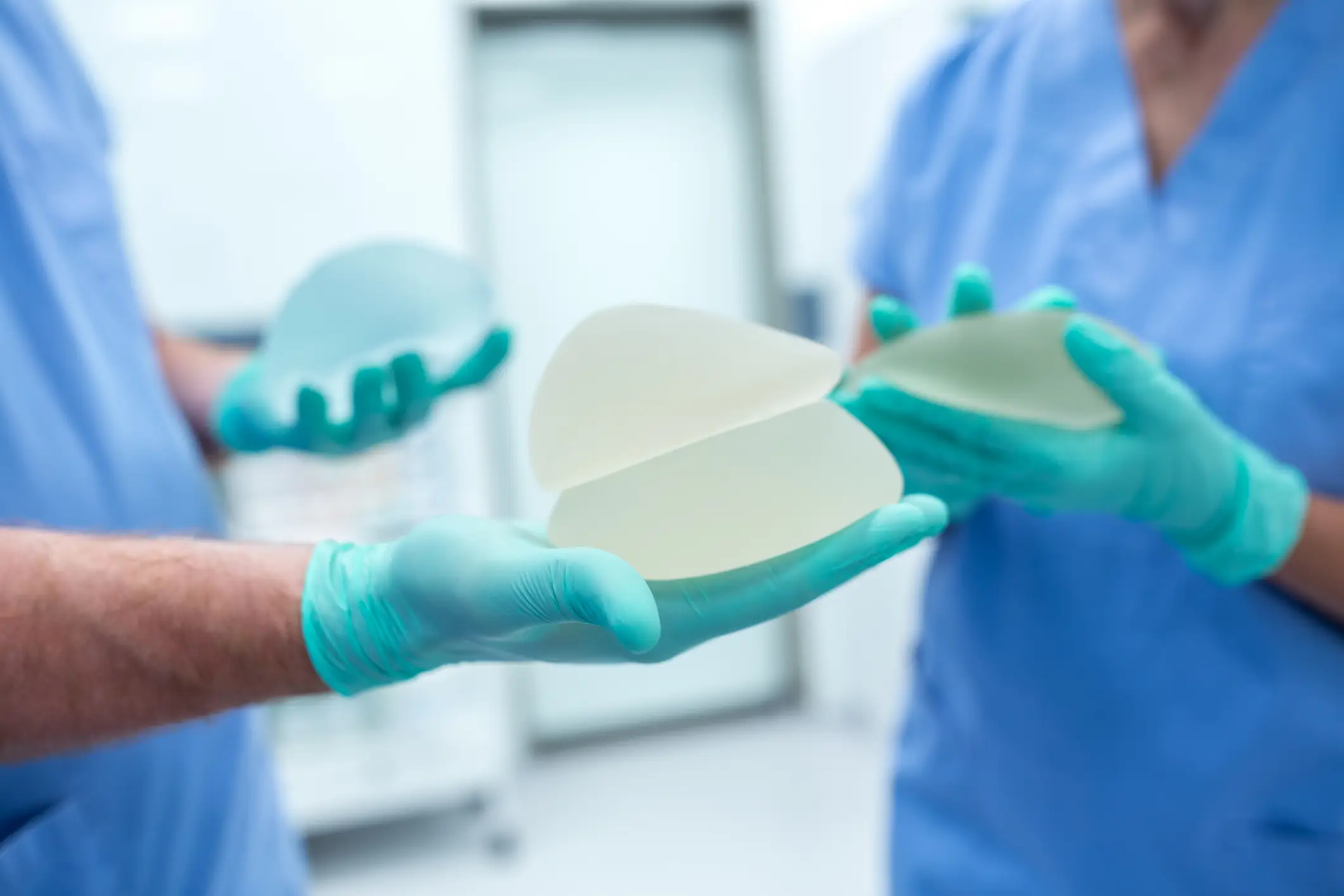
Warning signs of leaking breast implants
- A noticeable change in the size or shape of the breast.
- New pain, tenderness or discomfort
- Swelling or firmness of the breast
- Lumps in the breast or armpit.
- Changes in how the implant feels (it may harden or distort).
However, Dr Ramskill explains that one of the most important things to bear in mind is that a silicone implant rupture can at times produce absolutely no symptoms whatsoever.
She also warned ‘not to brush off persistent fatigue, joint pain or any other unexplained symptoms’ as ‘they don’t necessarily indicate a leak from an implant, but they do need to be properly investigated’.

What to do if you think your breast implant is leaking
If you suspect your breast implant is leaking, ‘don’t panic, but don’t ignore it’.
Dr Ramskill advises: “Get in touch with your original surgeon or indeed your GP who can then arrange an appropriate assessment.
“Ultrasound is usually the first investigation and an MRI may be indicated if there is a suspicion of a silicone implant rupture or if the ultrasound findings are inconclusive.
“If a rupture is confirmed, then a specialist can discuss whether the implant should be removed or replaced.”
She added: “Any new breast lump, any persistent swelling or any unexplained change in breast shape should always be assessed rather than simply assumed to be implant related.”
“I'd also just remind women that having breast implants in no way should stop them from seeking help for any breast symptoms or from attending routine breast screening.”
Topics: Christina Applegate, Women's Health, Health, Celebrity
 Madison Burgess