Harrowing moment Rachel Nickell's toddler son describes seeing 'bad man' stab his mother to death

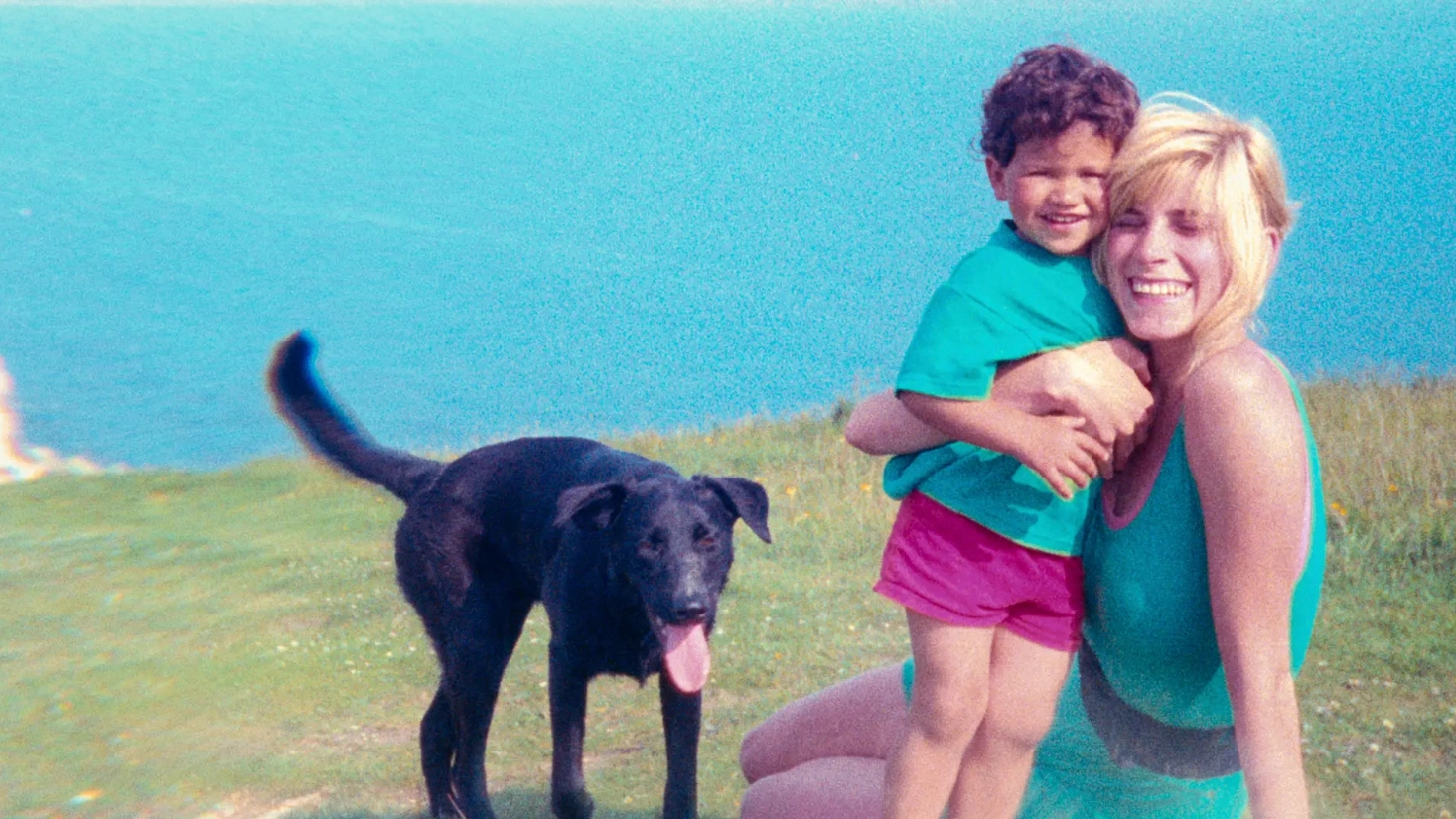
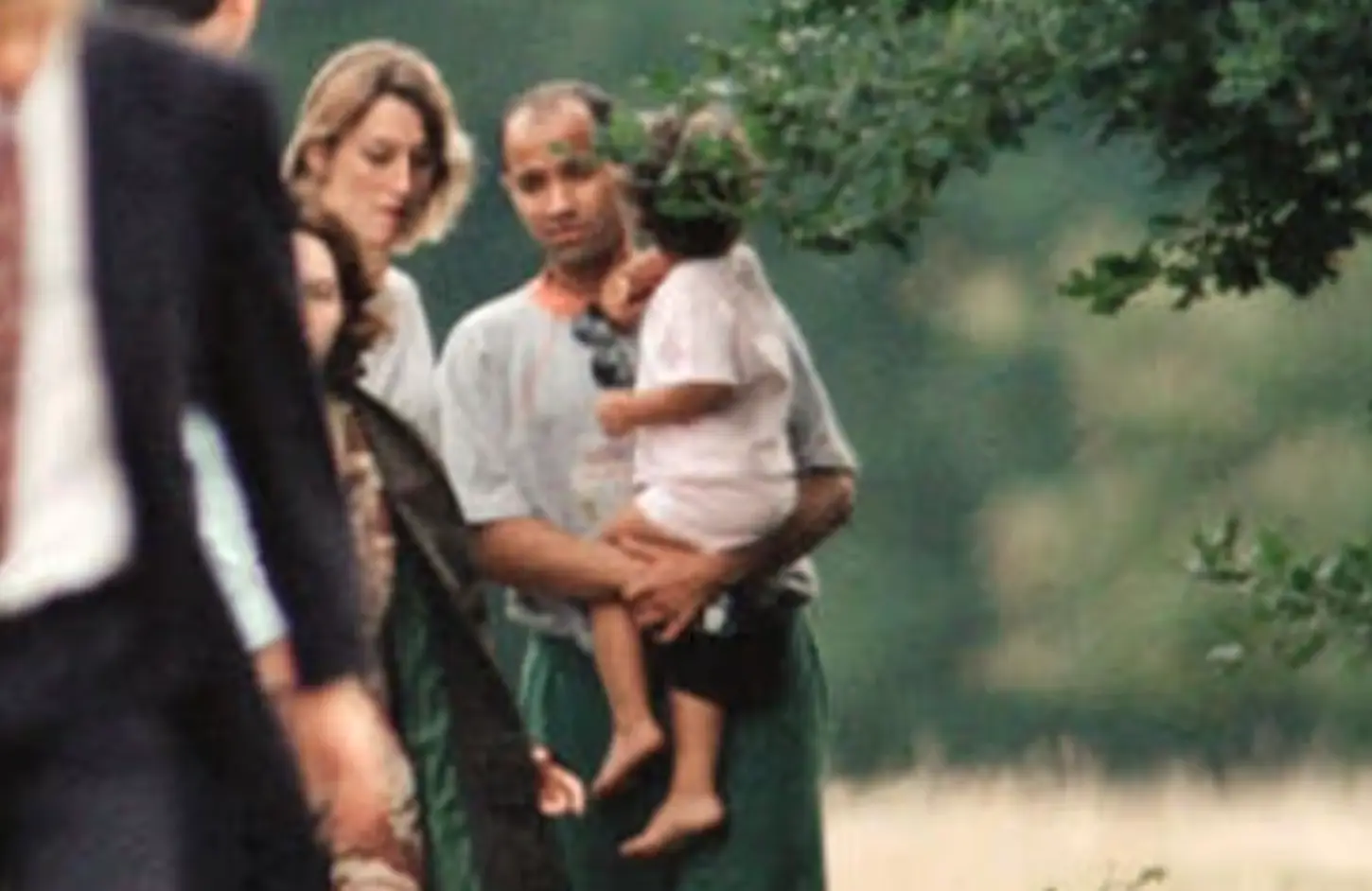
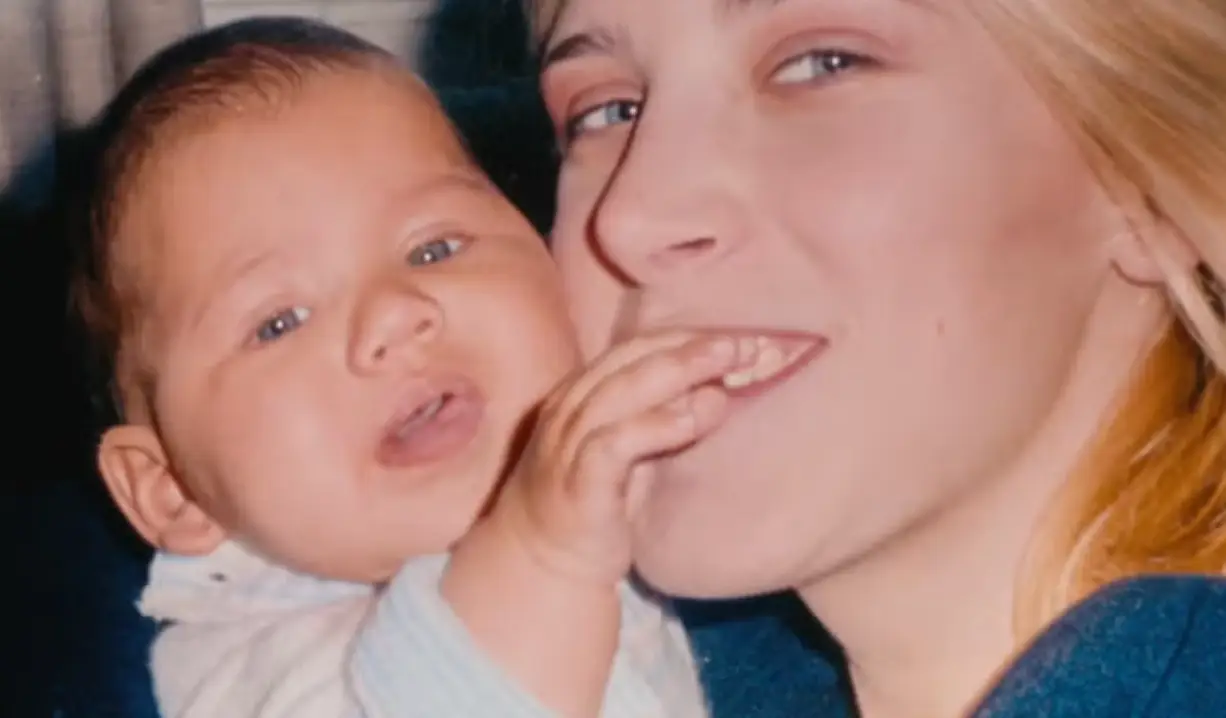
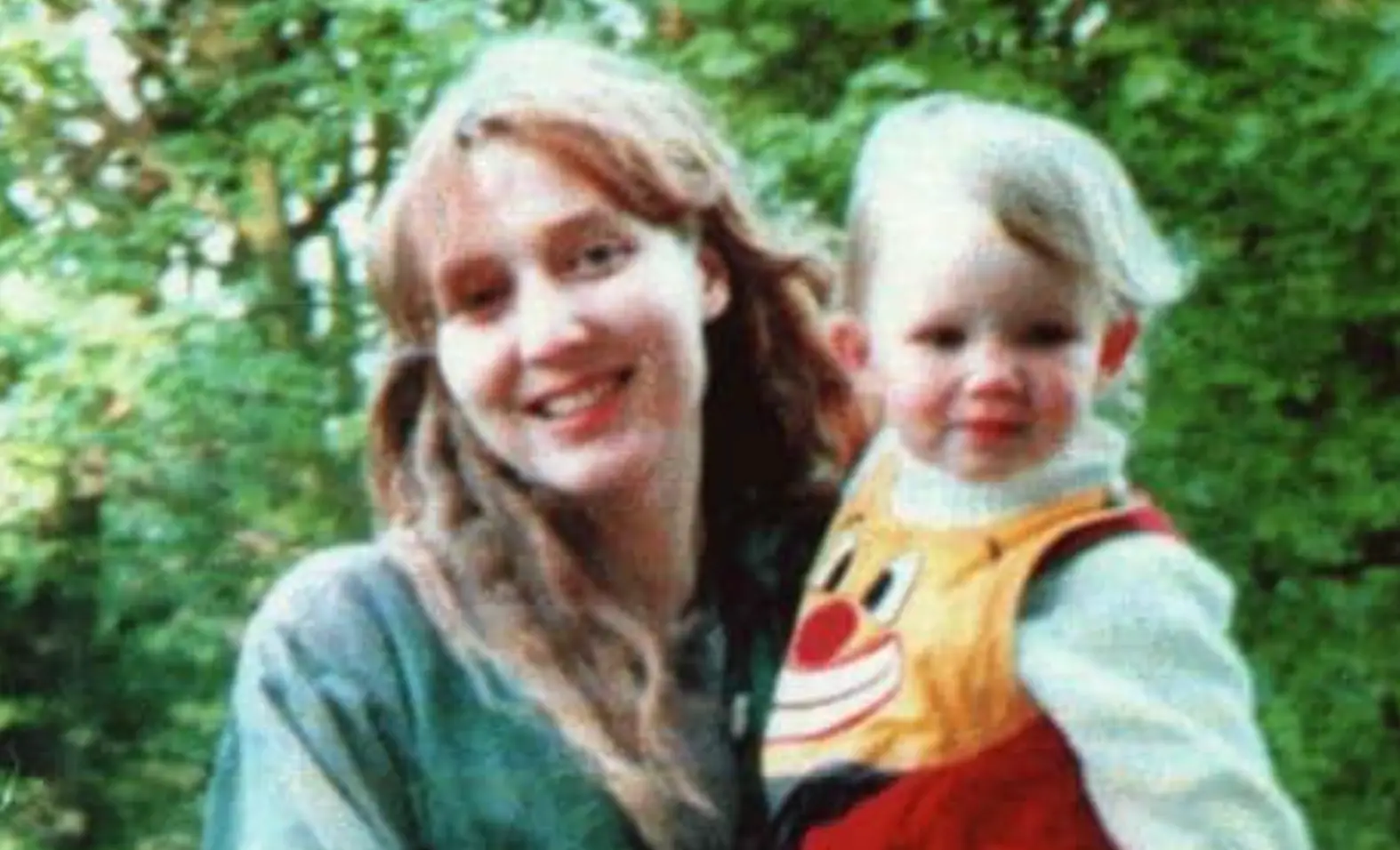
On 15 July 1992, Rachel Nickell, her two-year-old son, Alex, and their dog, Molly, ventured out for a walk through Wimbledon Common.
Deep within the southwest London woodland, the pair were suddenly attacked by a man who viciously stabbed Rachel to death in what investigating officers described as a 'frenzied' assault. He also sexually abused the 23-year-old mum before washing his hands in a nearby stream and fleeing.
A dog-walker would later find a baby-faced Alex in tears, clinging to his mother's side, caked in her blood, begging to wake up.
Advert
It would take a further 16 years for Nickell's killer to be brought to justice, since Alex had been the sole witness to the cold-blooded murder.
His young age didn't stop Alex from being heavily relied upon as a witness by police officers, who pinned their hopes on his description of Rachel's killer.
In the months that followed the attack, the child was examined by a psychologist and family liaison officer several times and questioned about the man he'd seen on the Common that day.
'Alex started to describe this person'
Alex's father, André, would sit in on each, feeding the psychologist's difficult questions through to his son so he could intervene if the stress of the examination became too much.
Footage from several of these heartbreaking interviews has been made public for the first time as part of Netflix's gut-wrenching new true-crime documentary, The Murder of Rachel Nickell.
One conversation with the tot unfolded as follows:
André: Alex, the man who hurt your mummy, what type of trousers did he have?
Alex: [Points to photo] This one.
André: What colour were they?
Alex: Blue.
André: What colour were his shoes?
Alex: [Points to photo] That colour.
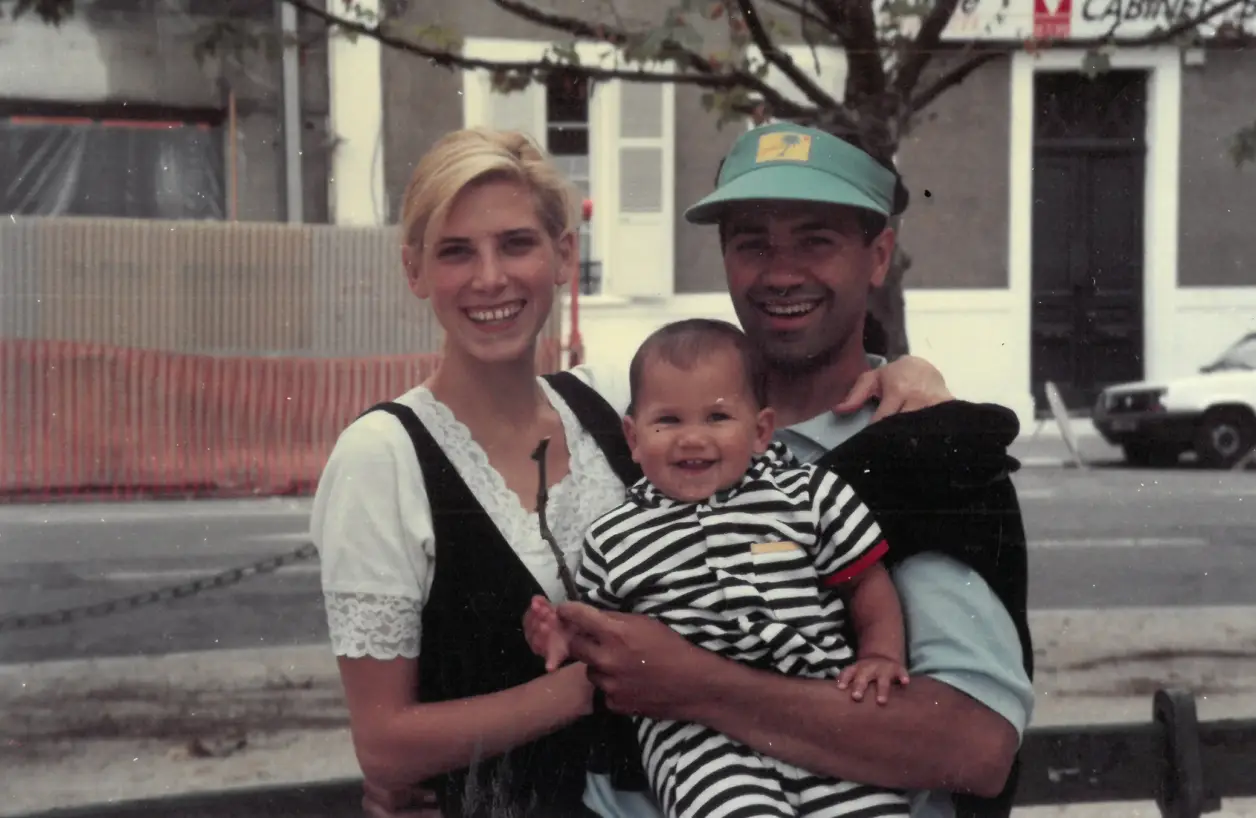
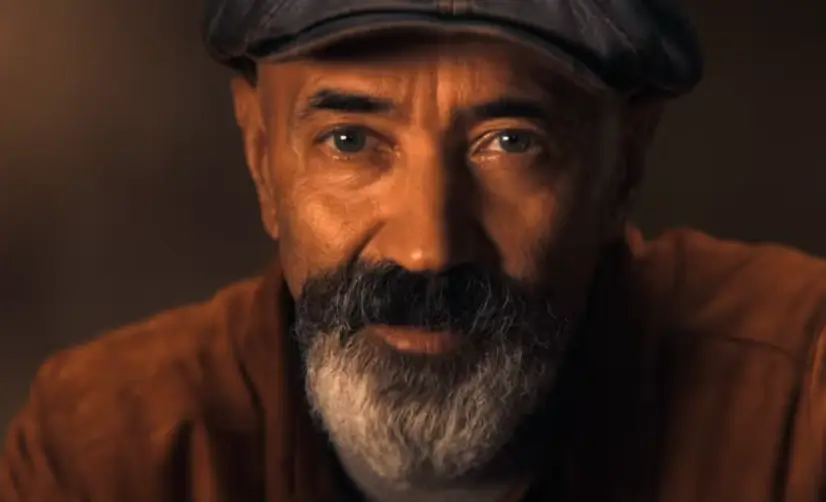
Speaking in the documentary, André is interviewed by producers about Alex's ability to recall vital information. He told viewers: "Alex was able to, again, show the incredible recall of a small child.
"The events, how they unfolded, where the bad man came out from - from behind them - and how afterwards, he moved away, washed his hands in a stream and then disappeared."
André added: "Alex started to describe this person. We got a description from him of a younger white man - white shirt over blue trousers, brown shoes.
"But the most significant item of all was Alex remembering he was wearing a belt over his white shirt, almost like a butcher’s apron."
'The bad man was sticking things in her'
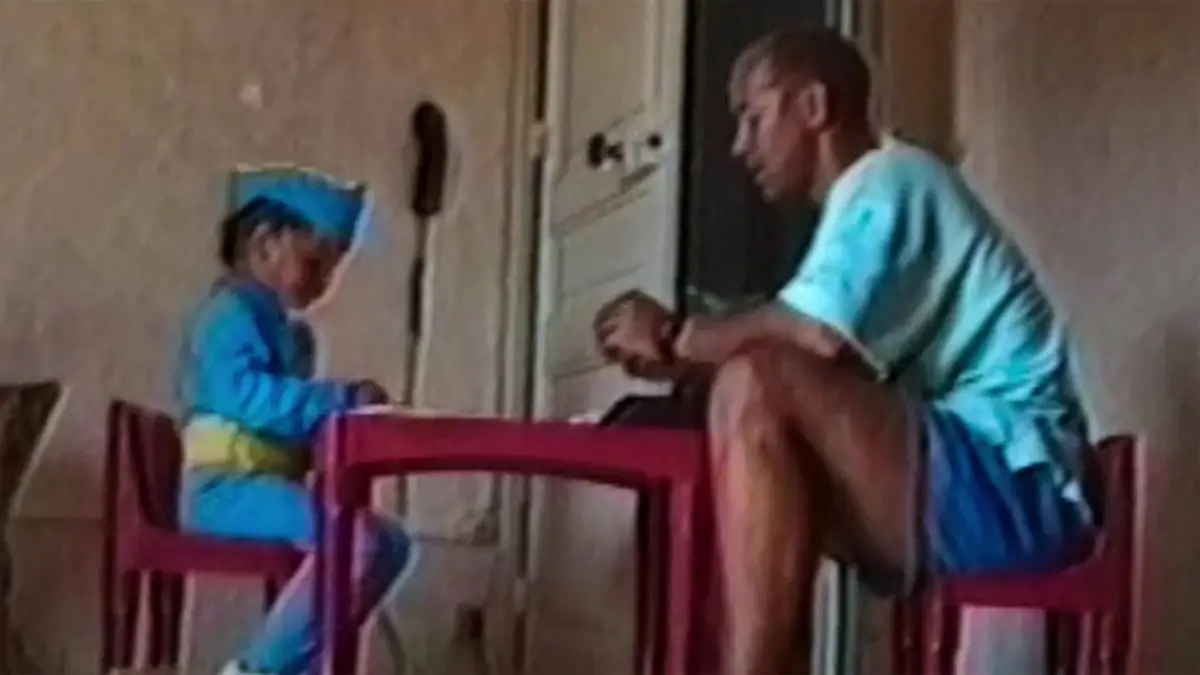
In another session that was held between just Alex and André in the comfort of their home, the conversation went as follows:
André: When you saw the bad man, was he in front of you like I am? Or was he on this side, or on that side?
Alex: He was in front of me.
André: He was right in front of you? Did Mummy see him?
Alex: I don’t think she did.
André: No? Did you see him first?
Alex: Yeah, I saw him first.
André: Did he have a bag? Was it already open?
Alex: Yeah, he opened it.
André: What did he get out?
Alex: A knife.
André: What did he do to you?
Alex: Knocked me over! The bad man was sticking his things in her.
André: What was he sticking in her?
Alex: His knife. There’s his knife.
André: Did you see it?
Alex: Yeah, I saw the knife.
André: Did you see all the times?
Alex: Yeah, I saw it… I saw it all.
'Alex's level of detail was surprising'
Discussing Alex's ability to recall such astonishing levels of detail, Royal Holloway University of London cognitive psychologist Professor Amina Memon - who has served as an expert witness in civil and criminal cases - exclusively told Tyla: "There is a period of what developmental psychologists refer to as infantile amnesia - a child cannot usually retain memories or remember events from those first two to four years.
"I would not have expected Alex to remember much at all and certainly not with any detail."
Memon continued, however: "We typically find adults have difficulty giving detailed descriptions of persons and clothing, so I find it surprising that Alex could come up with such a detail as a belt around the shirt."
Asked her take on the way police interviewed the child, she explained: The recommended protocol is to allow the child to give their own account of the event without prompting them with questions or any props such as pictures.
"Prior to that, there would be an assessment of the child’s development, language, and so forth, so that no age-inappropriate questions are asked. If a question is asked, it should be an open-ended one that simply invites the child to say what, if anything, they saw."
Memon added of the technique demonstrated: "Using drawings or any props to aid memory would not be advisable with such a young child; there is the potential to lead or mislead here."
Despite her assertion, desperate detectives at the time used forensic artists to draw up a description image based on Alex's recollection, which was later distributed by the Metropolitan police, appearing on posters and TV appeals for information.
A number of calls from locals who claimed they recognised the man in the images led detectives to Colin Stagg, an eccentric yet isolated Roehampton man known for walking his dog on the Common.
Lizzie James' 'honeytrap'
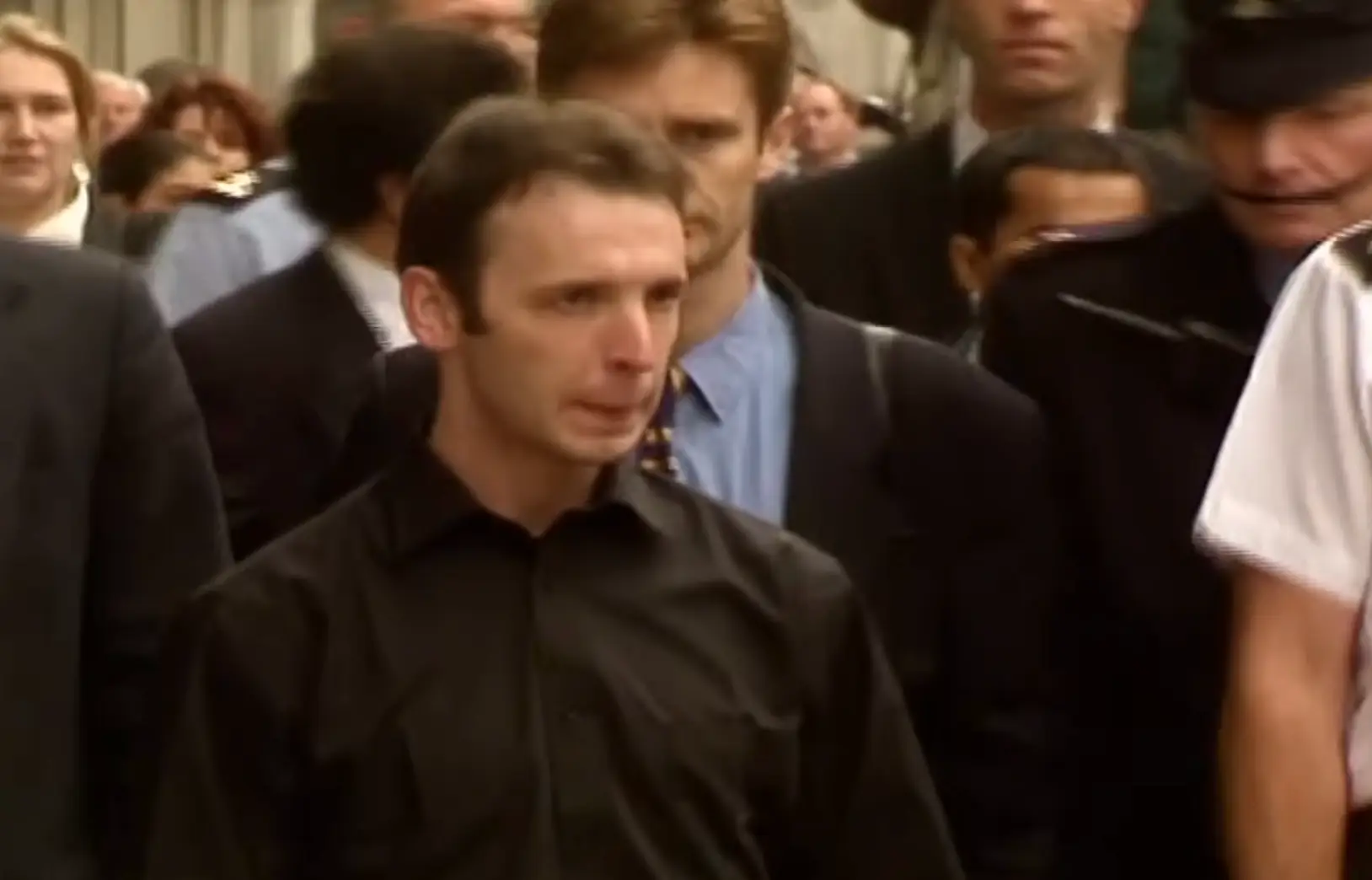
With no forensic evidence linking him to the scene of Nickell's murder, however, investigators authorised a sting against Stagg known as 'Operation Edzell', instead of bringing him in for questioning.
The operation saw a female police officer go undercover with the pseudonym 'Lizzie James' and write a series of letters to Stagg, expressing a romantic interest.
Detectives hoped Stagg would write back in a way that would fit the offender profile of the killer, created earlier by nationally renowned criminal psychologist Paul Britton, and implicate himself in the involvement in the Wimbledon Common killing.
Stagg did write back, detailing a number of violent sexual fantasies to 'Lizzie James', one of which involved a knife, but did not reference Nickell's murder. Despite this, police believed they had enough to charge him.
'Deceptive conduct of the grossest kind'
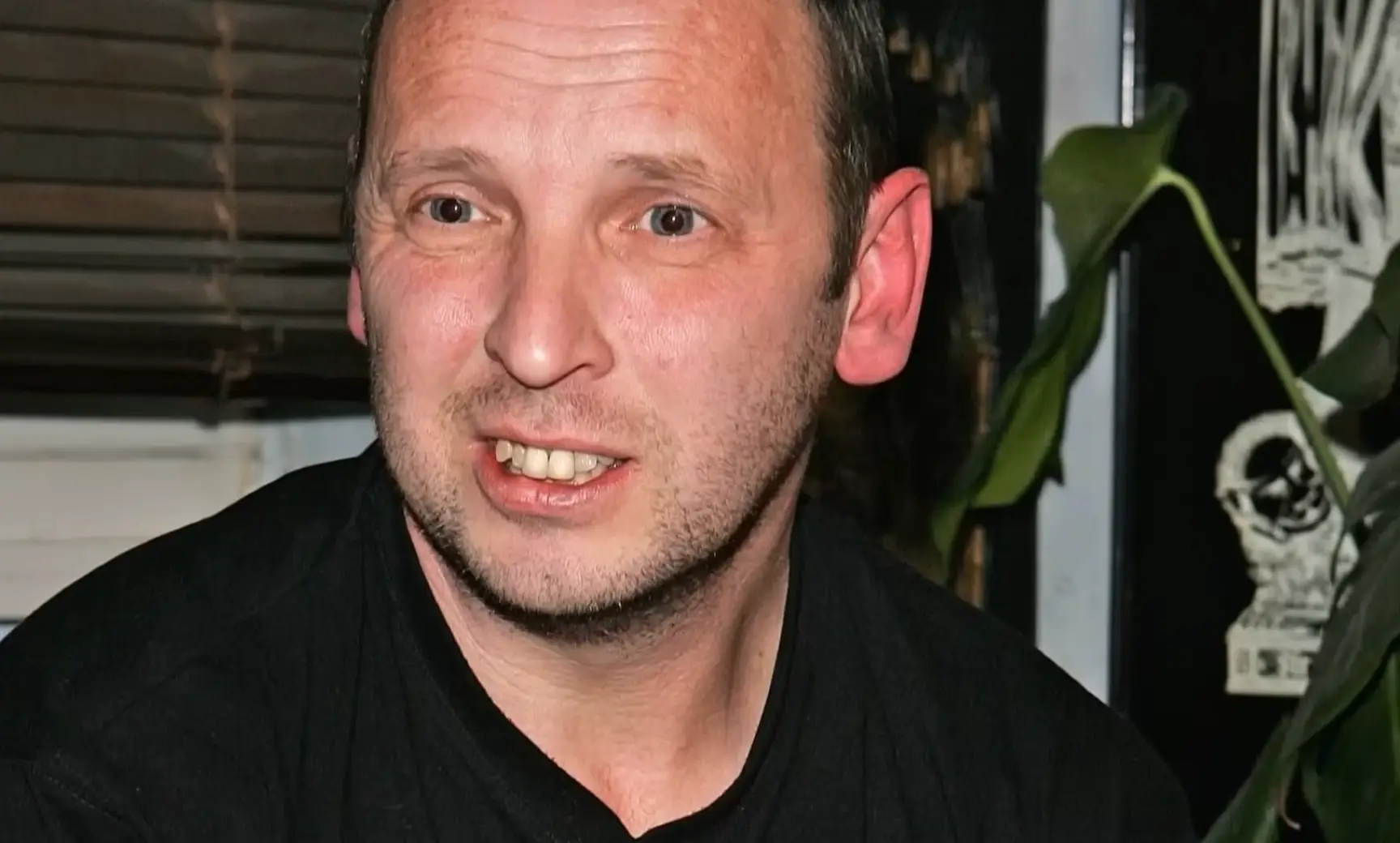
In an Old Bailey trial in 1994, however, a judge ruled that police had enacted 'deceptive conduct of the grossest kind' in their attempt to entrap Stagg, having also had no evidence to link him to Nickell's murder, and their prime suspect was acquitted.
There was also the fact that another woman and her four-year-old daughter had been murdered in a similarly grotesque way in South London while Stagg had been in custody.
In 1993, 27-year-old Samantha Bisset was violently attacked with a knife at her home in Plumstead before being mutilated. Her daughter, Jazmine, was subsequently smothered to death in the next room.
'It had been somebody else all the time'
Reflecting on the moment he heard that police suspected Nickell's real killer had acted again - this time, also taking the life of a child - André told viewers of the documentary: "It had been somebody else all the time. So, that moment in time was when our worst possible scenario had proved to be played out - somebody else had been murdered by the same person in the same circumstances.
"Another family’s been destroyed. So, if I didn’t know how blessed I’d been that Alex survived, when we found out what happened to Samantha and Jazmine, I thank God every day."
He added: "It’s only by the grace of God that we’ve survived together, and it’s only by the grace of God that he survived physically."
Officers investigating the murder of Bisset and her daughter stumbled across a mysterious fingerprint while scouting the property, which a forensic expert linked to a man named Robert Napper.
Bringing him in for questioning, detectives realised they'd come across Napper before.
'Utter chaotic catalogue of errors'
Three years prior to Nickell's murder, he was named as a suspect in the case of a serial rapist who'd been attacking women - often, in front of their children - on the Green Chain Walk pathway through woodland in Southeast London.
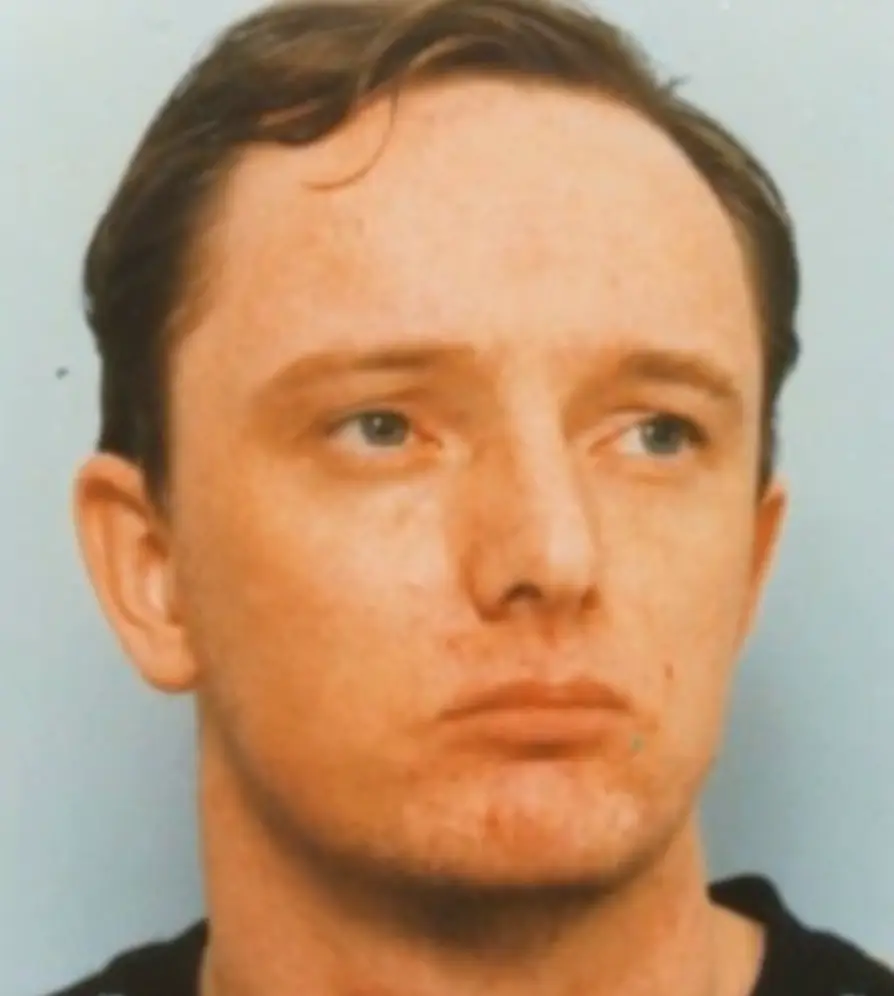
One person linked an image description of the abuser issued at the time to Napper. It was discovered that police had visited the suspect's property and requested that he supply a DNA sample.
Napper failed to visit the police station, and by the time police checked in for a second time, he'd fled his flat. Nothing further was done.
Lastly, Napper's own mother had reported him to the police a year prior to Nickell's murder after he admitted to raping a woman on Plumbstead Heath, close to where the Bissets lived. This claim was also dismissed.
Napper was convicted of the murder of Samantha and Jazmine Bisset in 1995 and sentenced to indefinite detention at Broadmoor, a psychiatric hospital.
It wasn't until 2004 - two years after Scotland Yard reopened Nickell's case and a new forensics team began re-running DNA testing of evidence found at the scene in 1992 - that Napper was found to have been a match.
During a 2006 interview, Napper, then 40, confessed to having committed the grisly murder.
Before he stood trial the following year, a Met Police officer invited André - who, with Alex, had since set up a new life in France - to Hendon Police Station, claiming they had something to show him about Napper's history.
'It was all preventable'
"He showed me into a back room, and with just the two of us present, he pushed a dossier across the table," he recalled. "What I saw in the dossier of documents was just - what an utter chaotic catalogue of errors this whole investigation had been.
"It was absolutely devastating. It took me all the way back to the very first day, the very first call, the very first news that Rachel had been taken from us and that Alex had been through such an ordeal."
André added: "We’d been trying to make sense of that week after week, month after month, year after year, and all that has just exploded. Here, it says it was all preventable."
After pleading not guilty to murder and citing diminished responsibility, Napper was convicted of manslaughter in 2007 and ordered to remain at Broadmoor, after Justice Griffith Williams branded him a 'very dangerous man'.
'My mother will be with me always'
Making a brief appearance in the documentary, an adult Alex delivers an emotional statement about his and André's subsequent pursuit of peace.
"I think with people you live through difficulties together, they either break you and they break the relationship, or they make the relationship that much stronger," he said. "We were ultimately forced to find our own closure, which I think is actually a good thing.
"That was ultimately the realisation that you have no choice but to make peace with it. My parents believed in the infinity of the spirit - that my mother would be with me always, wherever I went."
Of André, Alex added: "My father sacrificed everything for me and for what he believed in without any guarantees of how it would turn out. He was brave enough to do what he felt was right in his heart. I’m forever indebted to him for that."
Topics: True Crime, Crime, UK News, Netflix, Documentaries
 Rhianna Benson